A Comprehensive History and Guide to Junghans Watches
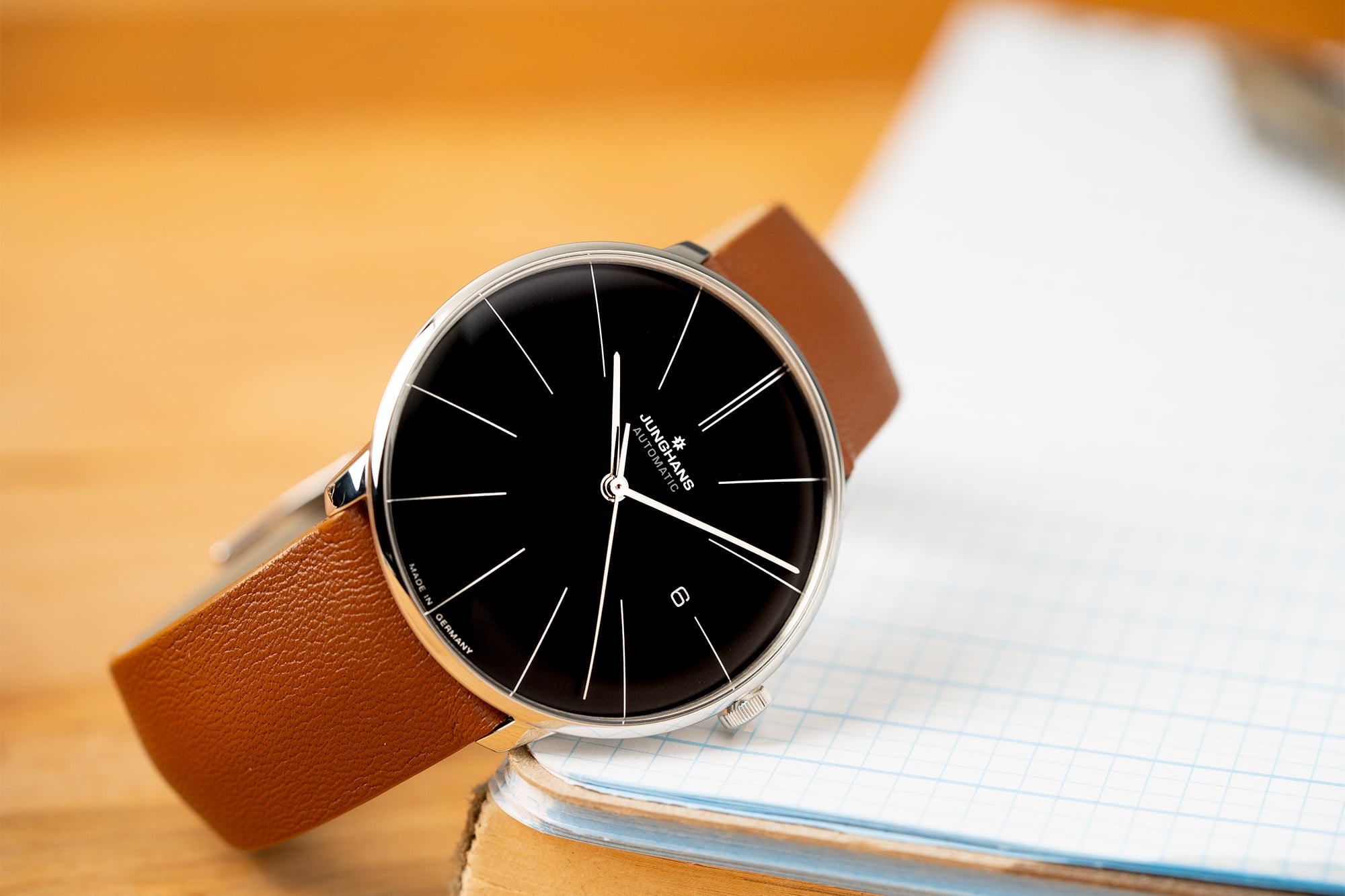
Junghans has a rich history that began in 1823 when Erhard Junghans, originally involved in the knitting and printmaking industries, pivoted to watchmaking after a series of career changes. Following the death of his father-in-law and a failed oil mill venture, he partnered with his brother-in-law to create watch components, eventually leading to the founding of a successful watch company. Despite facing numerous challenges, including the destruction of their factory during WWII, Junghans rebounded by focusing on high-quality chronometer watches and innovative designs, becoming one of the largest producers in the world. The company's evolution included producing Germany's first quartz watch in 1971 and acting as the official timer for the 1972 Munich Olympic Games. However, the brand faced significant setbacks, including a hostile takeover in 1956 and a decline in the 1990s, leading to bankruptcy. Today, over 150 years after its inception, Junghans continues to thrive by offering quality timepieces rooted in its heritage, particularly through the Max Bill collection that celebrates Bauhaus design and the Meister series that pays homage to its classic roots while incorporating modern aesthetics.
Buying Time Analysis: This story is important as it chronicles the evolution of Junghans, illustrating how the company navigated challenges and innovations over 150 years, from humble beginnings to becoming a significant player in the watch industry, while highlighting key technological advancements and design collaborations that shaped its legacy.