A Look at the Fusee and Chain
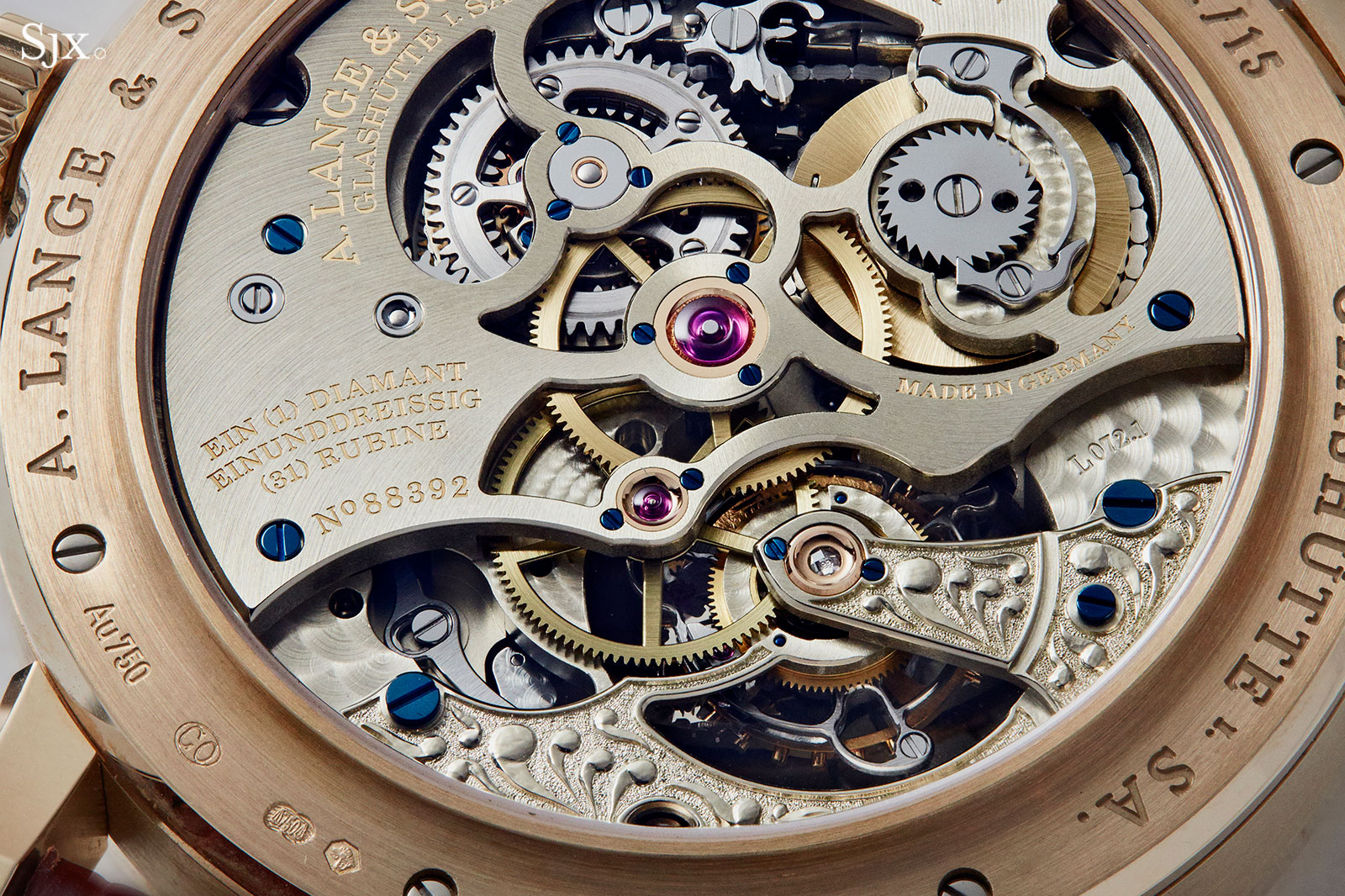
The fusee and chain system provides a mechanical solution to the problem of varying torque in a watch’s mainspring, ensuring a more constant force reaches the escapement. By using a conical fusee linked to the barrel with a fine chain, the mechanism compensates for the decreasing torque as the spring unwinds, delivering steadier timing performance. Historical development traces back to early clockmaking, with refinements appearing in marine chronometers and later wristwatches, where both classic maintaining‑power devices and differential gearsets have been employed to keep the movement running during winding. Modern implementations balance safety and precision through various locking and stopping mechanisms that prevent overwinding and maintain proper chain tension. Brands such as A. Lange & Söhne, Zenith, Breguet, and Ferdinand Berthoud have devised distinct safety features, ranging from rivet‑activated fingers to Maltese‑cross stops, to protect the delicate chain and ensure reliable operation. Despite advances in spring materials reducing the necessity of fusees, the system remains a hallmark of high‑horology craftsmanship, valued for its mechanical elegance and the statement of artisanal watchmaking it conveys.
Buying Time Analysis: This story highlights the fusee and chain’s pivotal role in achieving constant torque, showcasing its historical significance and modern relevance in high‑horology precision.