American Watchmaking: A Historical Overview
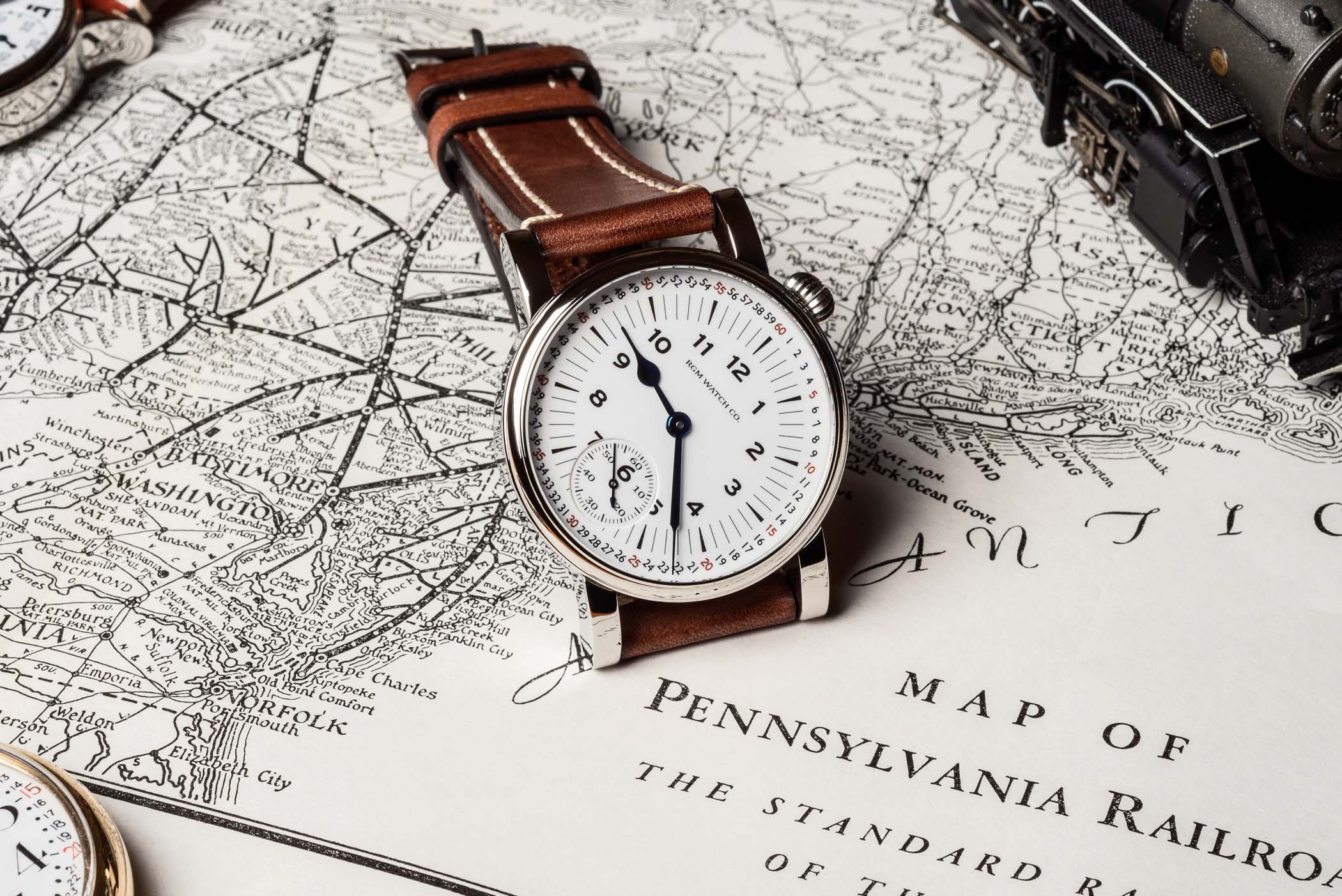
American watchmaking began in the early 16th century with handcrafted pocket watches that were expensive and produced slowly, but the industry transformed in the 19th century when innovators introduced interchangeable parts and automated machinery. Companies such as Waltham, Ingersoll, Hamilton, Elgin, and Bulova pioneered mass production, making reliable timepieces affordable for workers, the military, and the railroad industry. Their developments included the first interchangeable‑part movements, the iconic Dollar Watch, the first electric Ventura, and the highly accurate Accutron tuning‑fork watch, each contributing to the spread of precise timekeeping across the United States. World War II shifted production to military needs, with manufacturers supplying field watches, marine chronometers, and timing devices for bombs, while many brands faced bankruptcy after the war. Timex survived by embracing quartz technology and later reintroducing mechanical lines, whereas other historic names either disappeared, were acquired, or revived as boutique or overseas brands. Today, a resurgence of independent American watchmakers creates high‑end in‑house movements, preserving the legacy of innovation that once made the United States a leader in watch manufacturing.
Buying Time Analysis: This story highlights how American watchmaking pioneered mass production, interchangeable parts, and technological innovations that democratized timekeeping, drove industrial growth, and left a lasting legacy that shapes today’s watch industry.