Astronomical Complications Explained
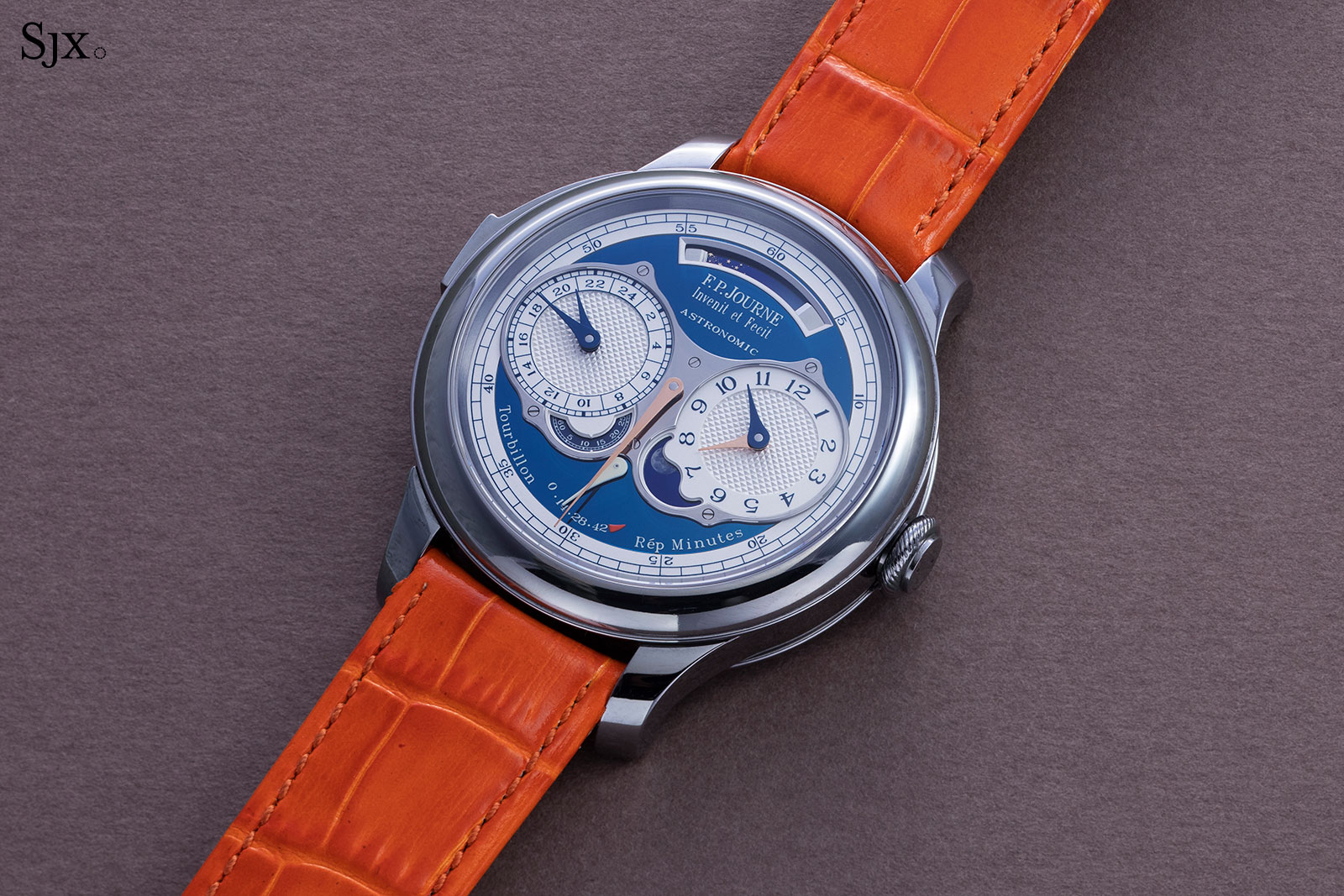
Astronomical complications translate the movements of the heavens into mechanical displays, allowing watches and clocks to show lunar phases, equations of time, sunrise and sunset, and even planetary positions. From early water clocks and medieval astronomical timepieces to modern masterpieces by Vacheron Constantin, Patek Philippe, and Ulysse Nardin, these mechanisms blend scientific precision with artistic ambition, often serving as symbols of status for monarchs, industrialists, and contemporary collectors. The intricate gear trains that drive moon phases, sidereal time, and orreries require massive calculations—sometimes trillions of transmission ratios—to achieve remarkable accuracy, yet their visual appeal lies in the elegance of turning complex celestial cycles into simple, readable dials. Throughout history, the pursuit of celestial modeling has driven watchmakers to reconstruct historic clocks such as the Farnese Clock and the Antikythera mechanism, inspiring modern innovations like compliant rack systems and multi‑layer displays. While these complications occupy a niche due to limited practical utility, they embody humanity’s enduring fascination with the cosmos, linking ancient timekeeping traditions to today’s high‑tech horology and even large‑scale projects like the 10,000‑year Clock of the Long Now.
Buying Time Analysis: This story highlights how humanity’s enduring fascination with mechanically modeling the heavens reflects our deeper quest to understand time and the cosmos, linking past innovations to modern watchmaking.