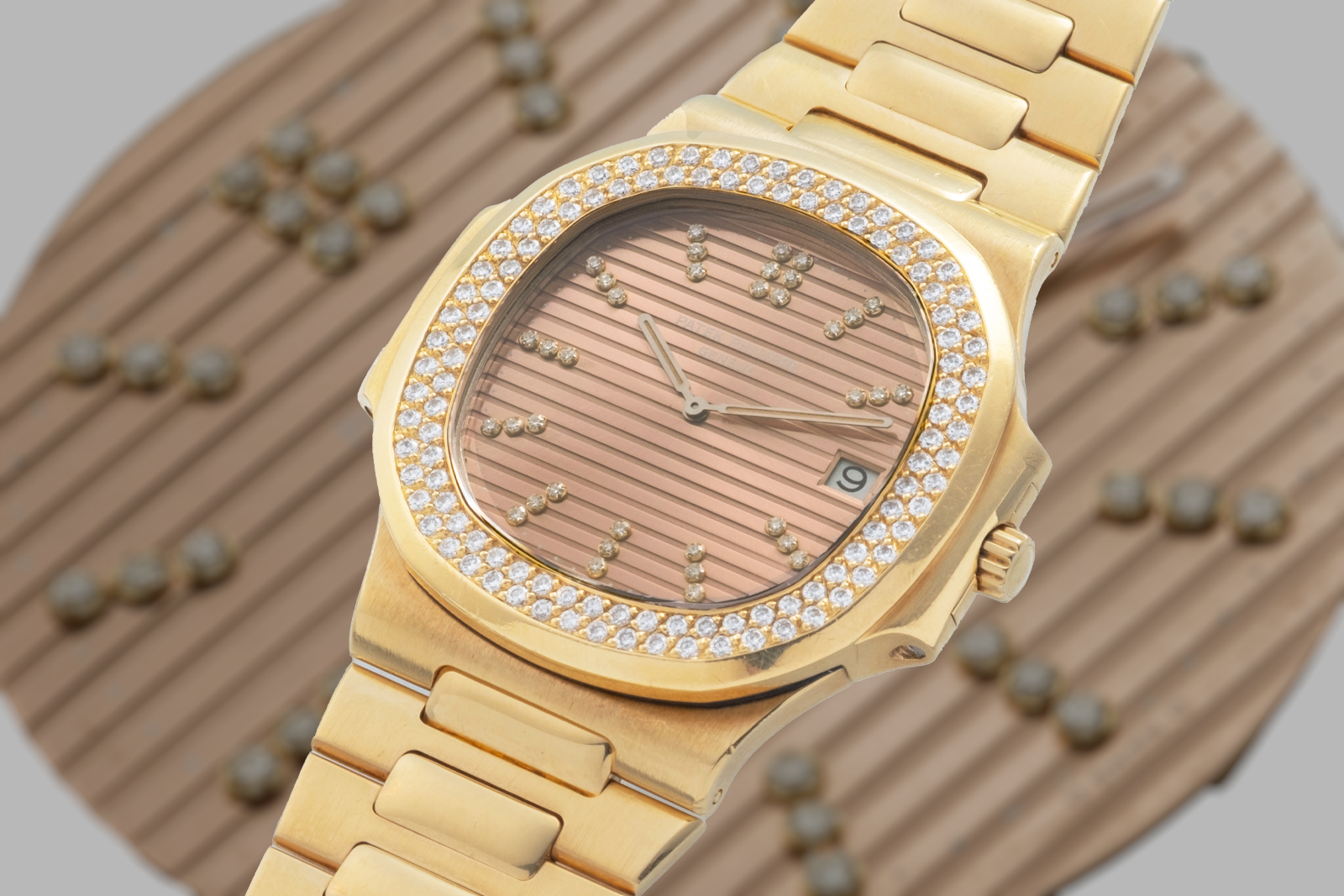
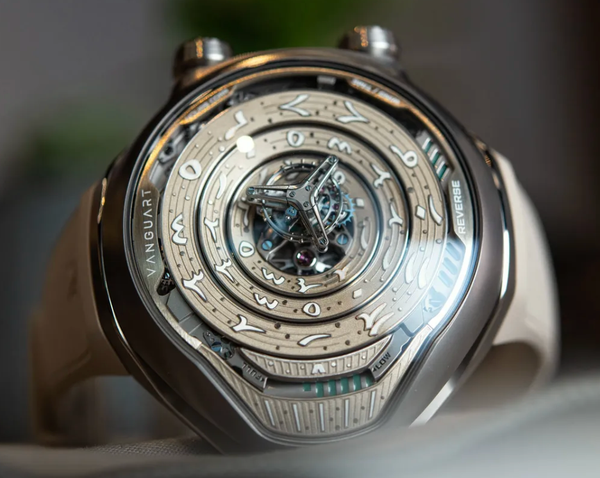
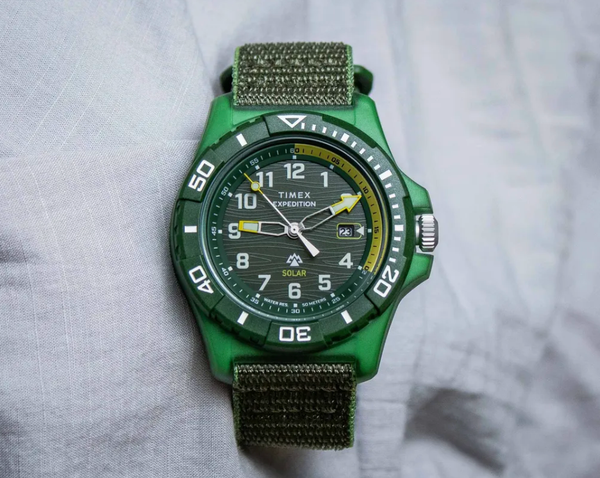
CORDER’S COLUMN: Are Swiss watches too expensive?
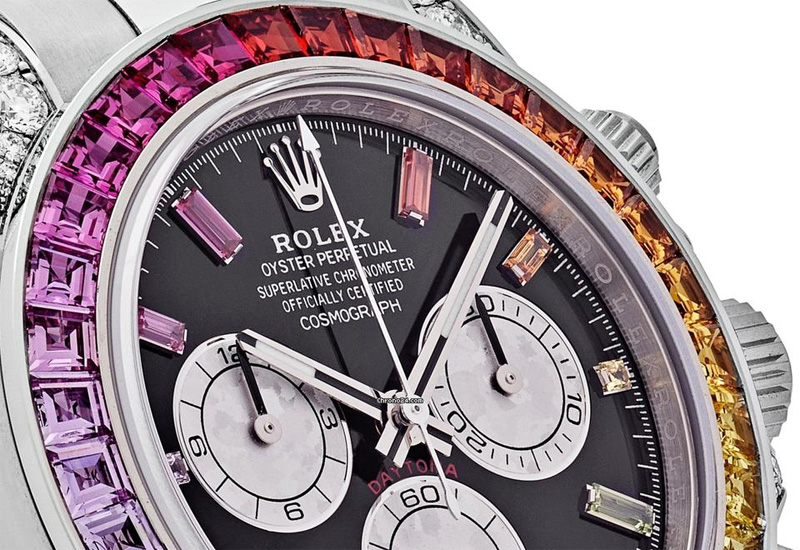
Swiss watchmakers have increasingly opted to produce fewer watches at higher prices over the past two decades. Export data reveals a significant rise in average export prices, from CHF 469 in 2005 to CHF 1,618 in 2024, a 244% increase that contrasts sharply with a general inflation rate of 59% in the same period. Despite these rising costs, watch enthusiasts remain largely unfazed, suggesting that the premiumization strategy has been effective. Factors like the rising price of gold and the strength of the Swiss franc are often cited, yet these do not solely account for the price hikes, indicating that the decisions to raise prices are largely strategic. Research indicates that while some luxury brands have raised prices, the increases are not as dramatic as perceived. For instance, Rolex's average price rose by just over 10% from 2019 to 2024, despite high inflation during that timeframe. Brands that are considered affordable luxury have begun to highlight the price increases of major players, but data shows more moderate increases for brands like Breitling and Omega. The luxury watch industry benefits from the Veblen effect, where higher prices enhance desirability, leading brands to cultivate an image of exclusivity. This perception allows even mid-range customers to feel part of a prestigious community, further driving demand for Swiss-made watches.