Does a Watch Brand’s Age Really Matter?
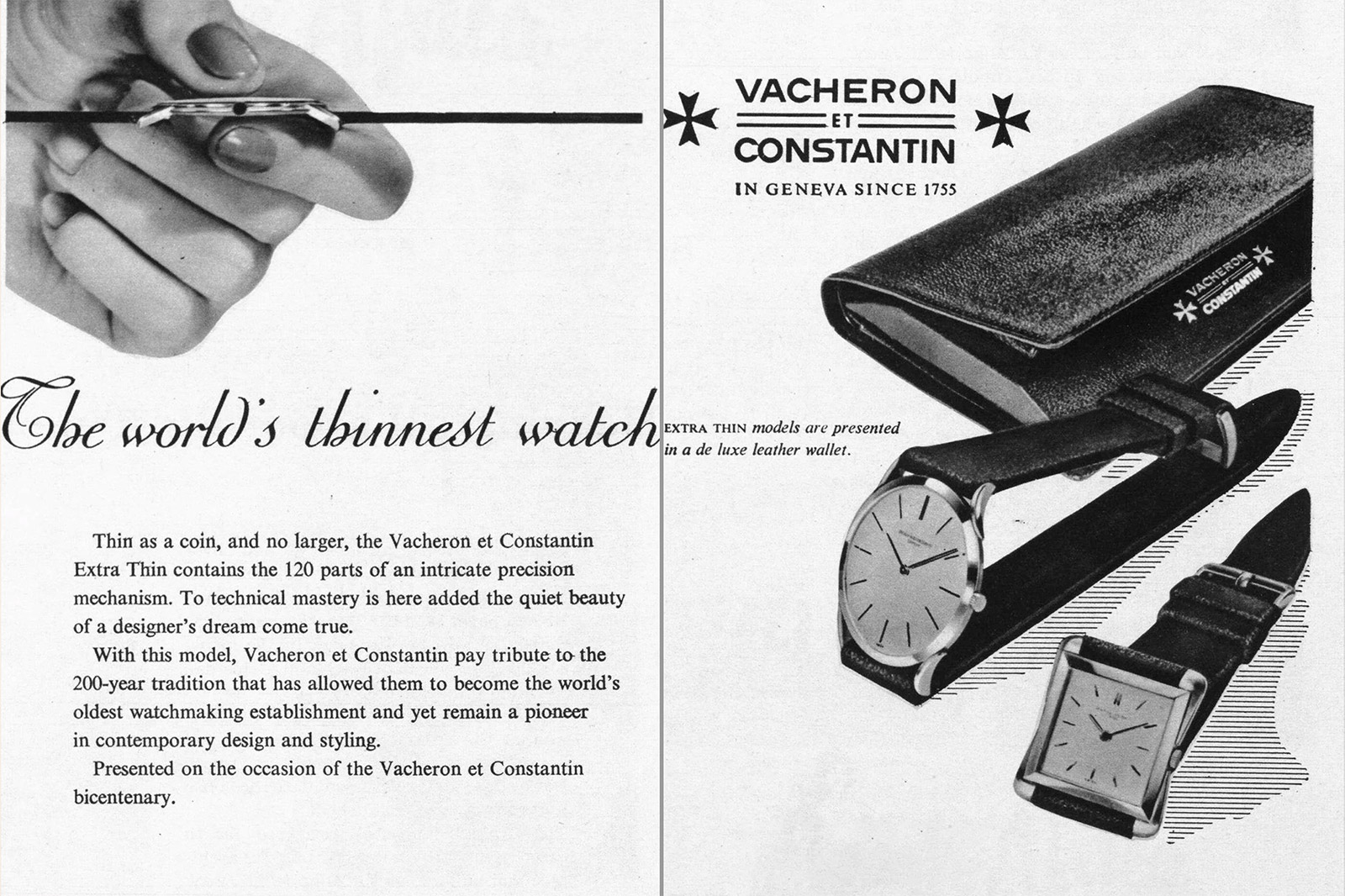
The watch industry frequently highlights brand age as a shortcut for expertise, yet many historic houses have experienced significant interruptions that reshape their narratives. Brands such as Blancpain, founded in 1735, faced an eight‑year shutdown during the quartz crisis before reemerging with a focus on high complications, making its current existence under 50 years old despite its long‑standing name. In contrast, Vacheron Constantin has maintained an uninterrupted lineage, celebrating a 270‑year heritage that underscores continuous operation as a marker of credibility. The quartz crisis of the 1970s and 1980s forced numerous traditional manufacturers to close or reinvent themselves, creating a clear divide between pre‑crisis and post‑crisis eras. The resurgence after the crisis sparked a wave of new, innovative brands such as MB&F, Urwerk, and Richard Mille, whose modern identities are built around avant‑garde design and technological experimentation rather than historic pedigree. This diversification shows that a brand’s relevance now depends more on its ability to adapt, offer distinct aesthetics, and resonate with contemporary collectors than on the sheer number of years it has existed. Consequently, age serves as a contextual cue rather than a definitive measure of value, with both legacy and newer houses finding success through their unique approaches to watchmaking.
Buying Time Analysis: This story highlights how the quartz crisis reshaped the watch industry, showing that a brand’s age matters more for its historical context and adaptability than for sheer longevity, offering insight into why understanding heritage versus innovation is crucial for collectors and the market.