English Watchmaking History: From Early Pioneers to Modern Revival
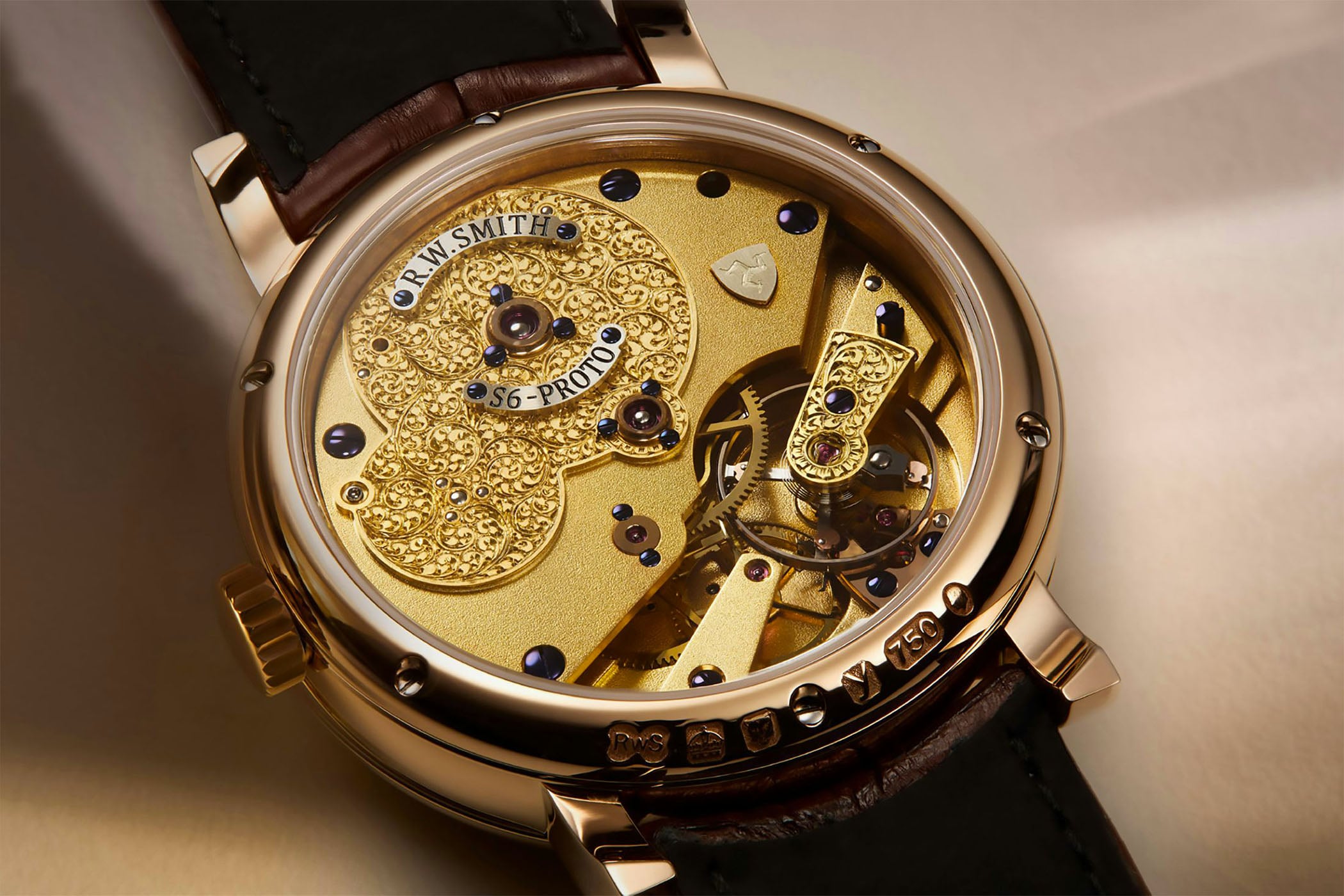
English watchmaking began in the late 16th century, with pioneers like Thomas Tompion introducing early pocket‑watch movements and innovations such as the hairspring and cylinder escapement that allowed thinner, more accurate cases. The lever escapement, created by Thomas Mudge around 1755, later became the industry standard after mass‑production techniques were developed in the 19th century. Key inventions such as repeaters, the keyless winding crown, and marine chronometers by John Harrison and John Arnold advanced precision and practicality, while the 20th century saw the first automatic wristwatch by John Harwood and the rise of brands like Rolex, which originated in London before moving to Switzerland. After a decline during the Quartz Crisis, English horology experienced a revival in the 21st century, led by boutique manufacturers such as Bremont, Christopher Ward, Garrick, and the highly respected craftsmen Derek Pratt, Roger W. Smith, and George Daniels. These makers combine traditional hand‑finishing with modern techniques to produce limited‑run, high‑quality timepieces that honor historic innovations while embracing contemporary design and engineering. The renewed interest in mechanical watches has positioned England as a growing hub for both heritage and cutting‑edge watchmaking.
Buying Time Analysis: This story is important because it chronicles the pivotal innovations and historical influence of English watchmaking—from early breakthroughs like the lever escapement to its modern resurgence—demonstrating how England shaped global horology and continues to inspire contemporary watchmakers.