Exploring the Myth and Mastery Behind Breguet No. 160 “Montre d’Or”
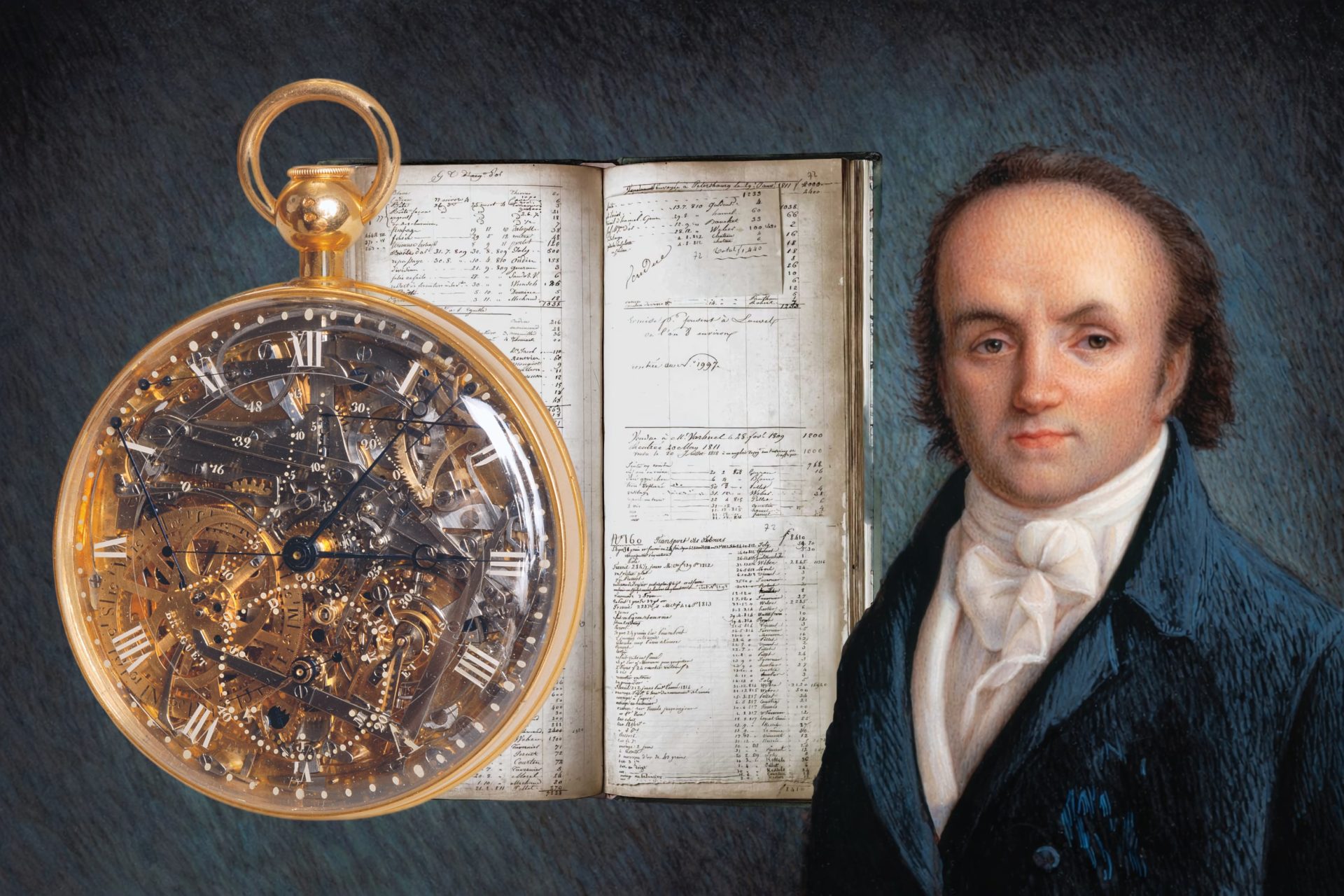
Breguet No. 160, known as the “Montre d’Or,” is steeped in legend, primarily tied to a secret commission for Marie-Antoinette that took an astonishing forty-four years to complete. Initially recorded in 1783 without any client name, the watch remained largely unknown until Sir David Lionel Salomons highlighted its significance in the early 20th century. The narrative surrounding its creation encompasses themes of theft, recovery, and royal intrigue, yet the true history reveals a watch that underwent extensive modifications over decades. Important advancements such as the introduction of a new escapement and the addition of numerous sapphire jewel bearings demonstrate a continuous evolution in watchmaking techniques. The journey of No. 160 reflects not only the craftsmanship of Breguet but also the broader evolution of horology from the late 18th to the early 19th century. While the watch was initially commissioned with certain specifications, it ultimately incorporated innovations that were developed long after its inception, resulting in a mechanism that embodies multiple eras of technical achievement. The watch’s completion in 1827 marked the culmination of collaborative efforts from a range of specialists, each contributing to its intricate design. Ultimately, the significance of Breguet No. 160 lies not in its alleged royal connections but in its representation of a transformative period in watchmaking history and the continuous pursuit of excellence.
Buying Time Analysis: The narrative of Breguet No. 160 embodies the evolution of horological craftsmanship over four decades, illustrating not only the complexities of watchmaking but also the interplay of historical events, technological advancements, and the collaborative efforts of multiple artisans, ultimately transforming it into a symbol of enduring innovation and artistry in timekeeping.