Guide to Watch Movement Decorations
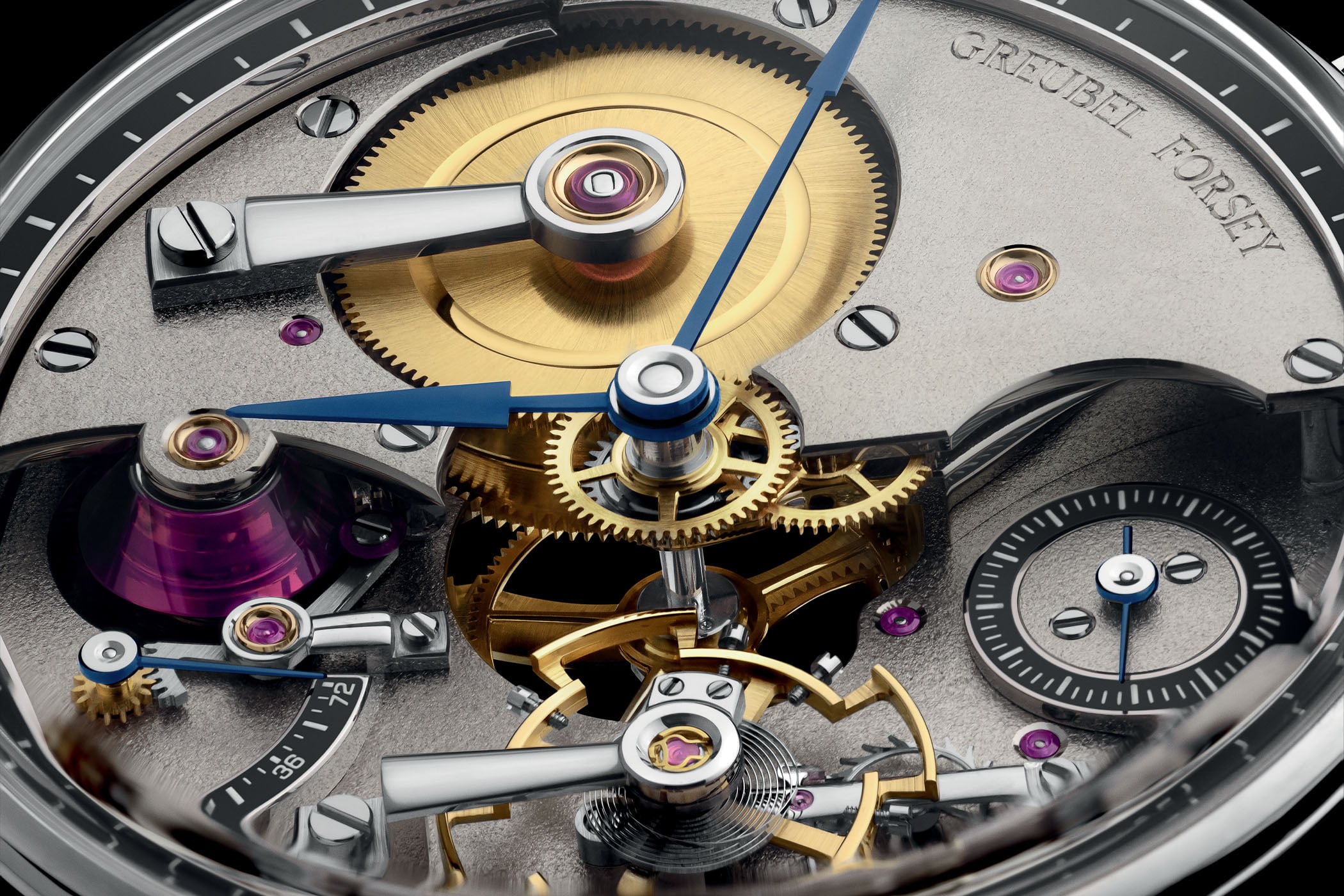
Movement decorations have evolved from early ornamental engravings on 16th‑century German Nuremberg Eggs to sophisticated techniques that combine aesthetic appeal with functional benefits. Hand‑crafted methods such as engraving, Côtes de Genève, black polishing, perlage, solarisation, anglage, blued screws, and frosting were originally developed to trap dust, protect components, or signal wealth, and over time they became markers of haute horology. Modern watchmakers continue to employ these historic processes, often blending traditional hand work with CNC machines to achieve precise, uniform results while preserving the artistry that distinguishes luxury timepieces. Today’s high‑end brands like Patek Philippe, A. Lange & Söhne, Vacheron Constantin, Audemars Piguet, and Grand Seiko apply these decorations to movement plates, bridges, screws, and other parts, with many still creating them entirely by hand to meet stringent standards such as the Geneva Seal. The decorations not only enhance visual richness—through patterns like Geneva stripes, frosted textures, and blue‑tempered screws—but also serve practical purposes, improving lubrication retention and reducing wear. This blend of history, craftsmanship, and technology defines the contemporary landscape of movement finishing.
Buying Time Analysis: This story highlights how movement decorations evolved from mere visual flair to essential functional finishes, illustrating their historical significance and continuing impact on haute horology.