History of Metal Wristwatch Bracelets
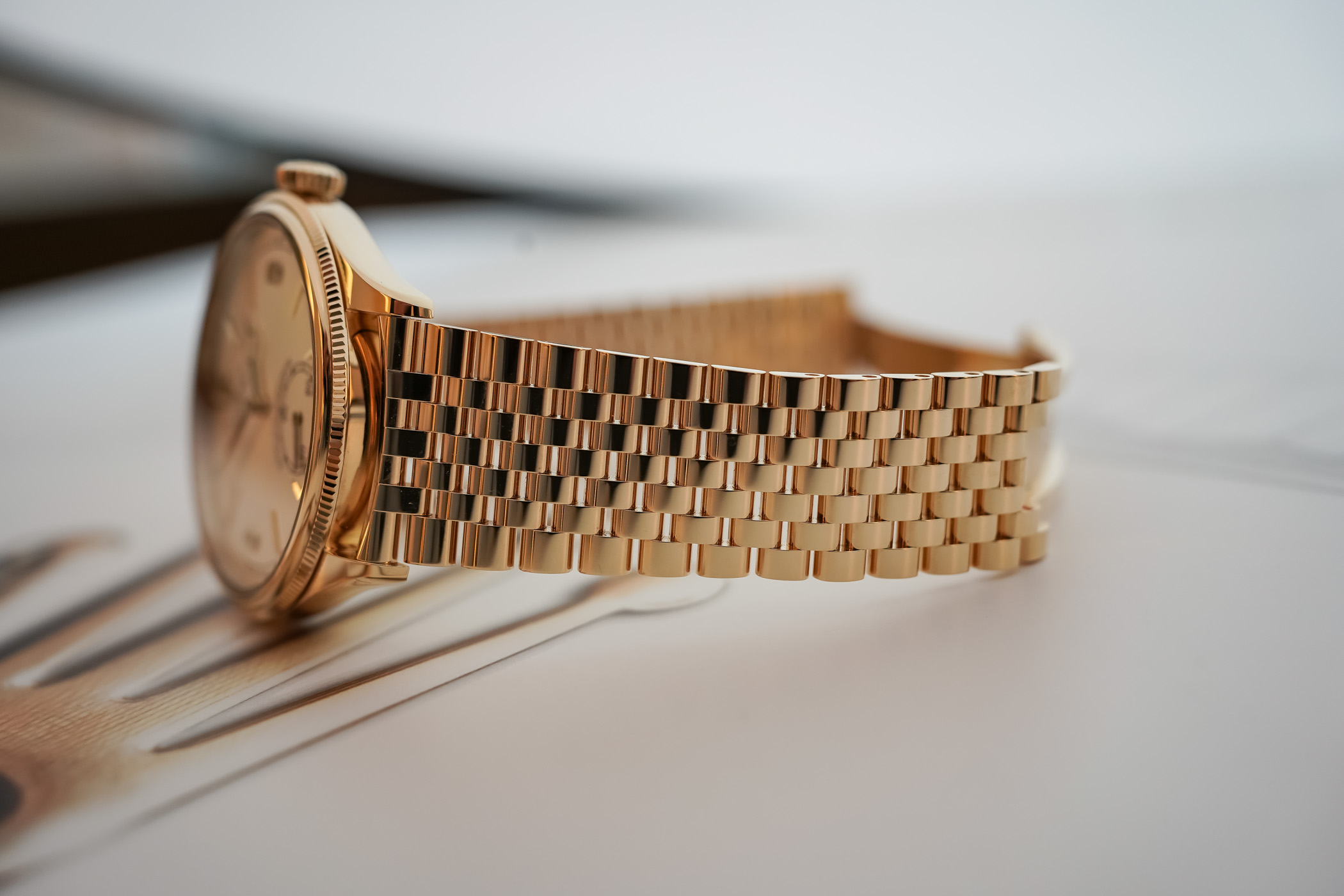
Metal bracelets for wristwatches emerged as a 20th‑century phenomenon, gaining prominence in the 1920s when wristwatches became fashionable. Early examples include rare precious‑metal pieces from the early 1800s and a few documented cases from the late 1700s, but widespread production began with designs such as the Bonklip “Ladder” bracelet, patented in the late 1920s and adopted by the British RAF during World War II for its durability and adjustability. Companies like Gay Frères, founded in 1835, became the dominant supplier of high‑end metal bracelets, creating iconic styles such as the Oyster, Jubilee, and President for Rolex, as well as the beads‑of‑rice design used by Patek Philippe and Vacheron Constantin. Throughout the mid‑20th century, manufacturers refined production techniques, increasing part counts and hand‑finishing to meet the exacting standards of luxury watchmaking. The evolution continued with integrated bracelets pioneered by Gérald Genta in the 1970s for Audemars Piguet’s Royal Oak and later for Patek Philippe’s Nautilus, merging case and bracelet into a single structure. Subsequent innovations introduced tool‑free adjustment systems, expandable spring‑loaded bands, and modern mesh (Milanese) designs that trace their origins to medieval chainmail. Recent advancements include 3D‑printed titanium meshes and quick‑release levers inspired by smartwatch technology, ensuring that metal bracelets remain a complex, highly engineered component that rivals the movement itself in cost and craftsmanship.
Buying Time Analysis: This story is important because it chronicles the evolution of metal watch bracelets—from early 20th‑century innovations to modern integrated designs—highlighting how technical advances and iconic brands shaped both functionality and fashion in horology.