How to Make a Watch Last Almost Forever
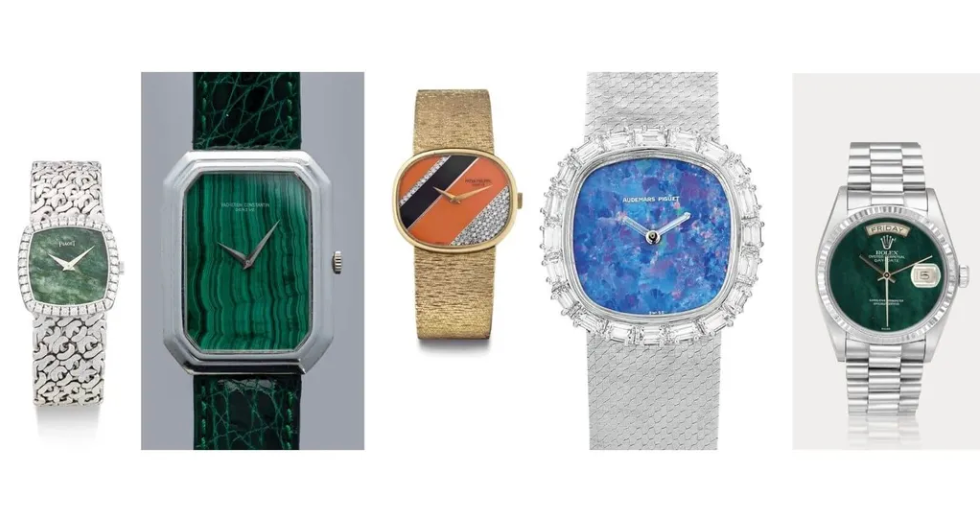
Stone‑dial watches have fascinated collectors for centuries, from Renaissance Florentine mosaics to modern pietersite creations. The technique, known as pietra dura, was adopted by 19th‑century French firms and later revived by Piaget in the 1960s, leading to a resurgence of stone dials in the 1970s and 1980s on luxury gold dress watches. Materials such as agate, jadeite, lapis lazuli and rare pietersite have been used, each adding unique color and texture, but the fragility and high production costs have kept these pieces limited and highly prized. Recent years have seen a renewed interest in pietersite due to new sources and innovative designs from brands like Arnold & Son, Biver, Baltic and Sartory‑Billard. Arnold & Son’s HM Pietersite models combine ultra‑thin movements, a 5:1 aspect ratio and a domed sapphire crystal to showcase the stone’s swirling patterns, while offering limited editions of 28 steel and 18 red‑gold pieces. The watches feature hand‑wound calibre A&S1001 with a 90‑hour power reserve, minimalist “pearl” indexes, and high‑quality straps, exemplifying how modern watchmaking blends technical precision with the timeless allure of natural mineral art.
Buying Time Analysis: This story highlights the resurgence and technical artistry of stone‑dial watches, emphasizing their rarity, historical significance, and the innovative craftsmanship that makes them valuable timepieces.