In-Depth: Understanding Isochronism and Oscillators
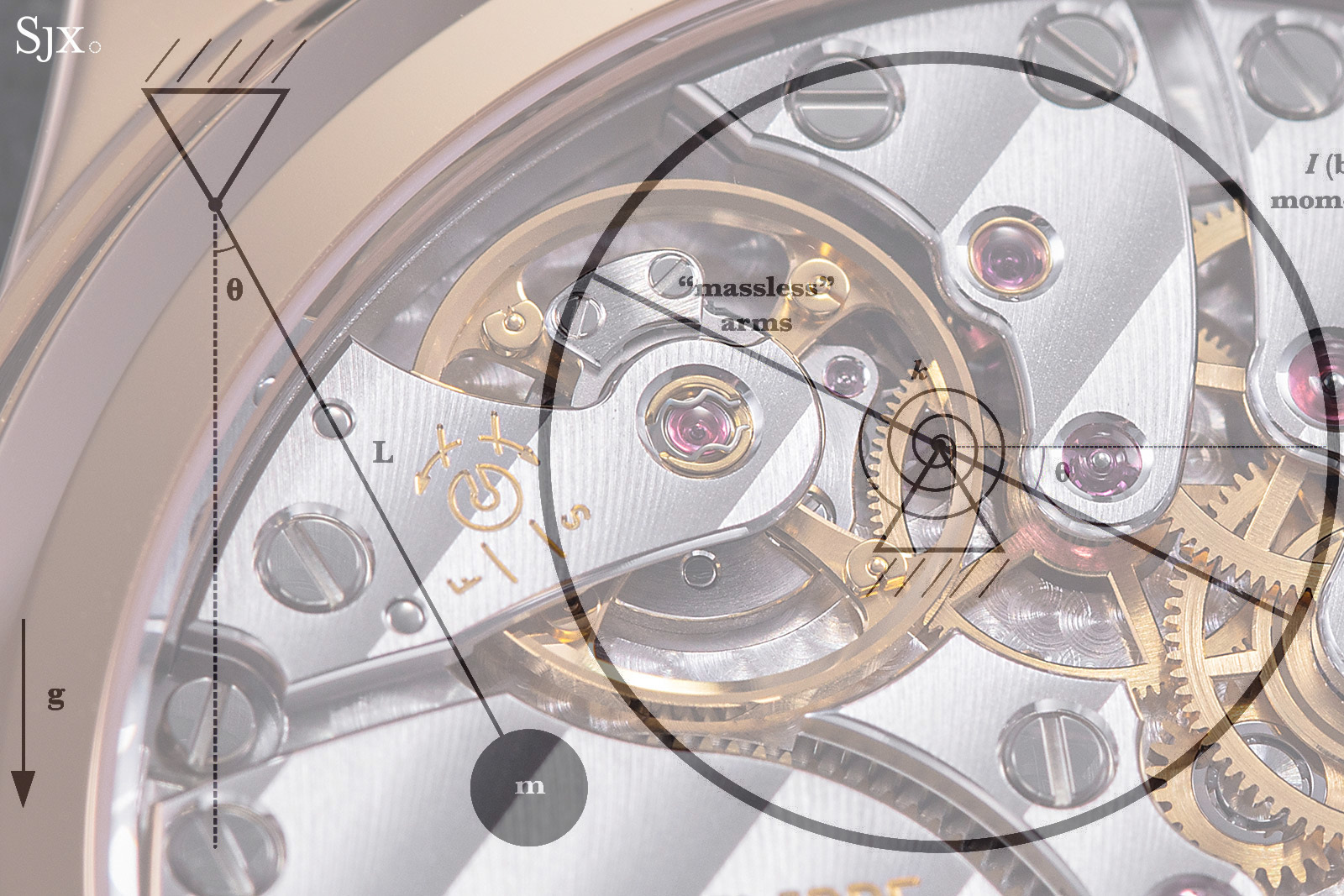
The beginning of 2025 marked the 350th anniversary of the hairspring, a pivotal invention in portable precision timekeeping. To commemorate this milestone, a series of articles explored its history, evolution, and the principles of isochronism. Isochronism refers to the ability of an oscillatory system to maintain a consistent period of vibration despite external variations, a characteristic crucial for accurate timekeeping. The article delves into the physics behind oscillators, contrasting the inherently isochronous nature of the sprung balance with the flawed characteristics of pendulums, which, while historically significant, are not perfectly isochronous due to their dependency on gravitational forces and amplitude limitations. The discussion highlights how the escapement mechanism introduces inconsistencies in mechanical watches, affecting the oscillator's performance and overall accuracy. Although traditional hairspring balances dominate the mechanical watch landscape, ongoing research and innovations in oscillator design, such as silicon monoblock oscillators and the Iso-Spring, indicate a promising future for advancements in timekeeping technology. Companies are actively exploring new escapement systems to improve precision, ensuring that the legacy of mechanical timekeeping evolves alongside contemporary advancements.