Innovators, Imitators, and the Future of Independent Watchmaking
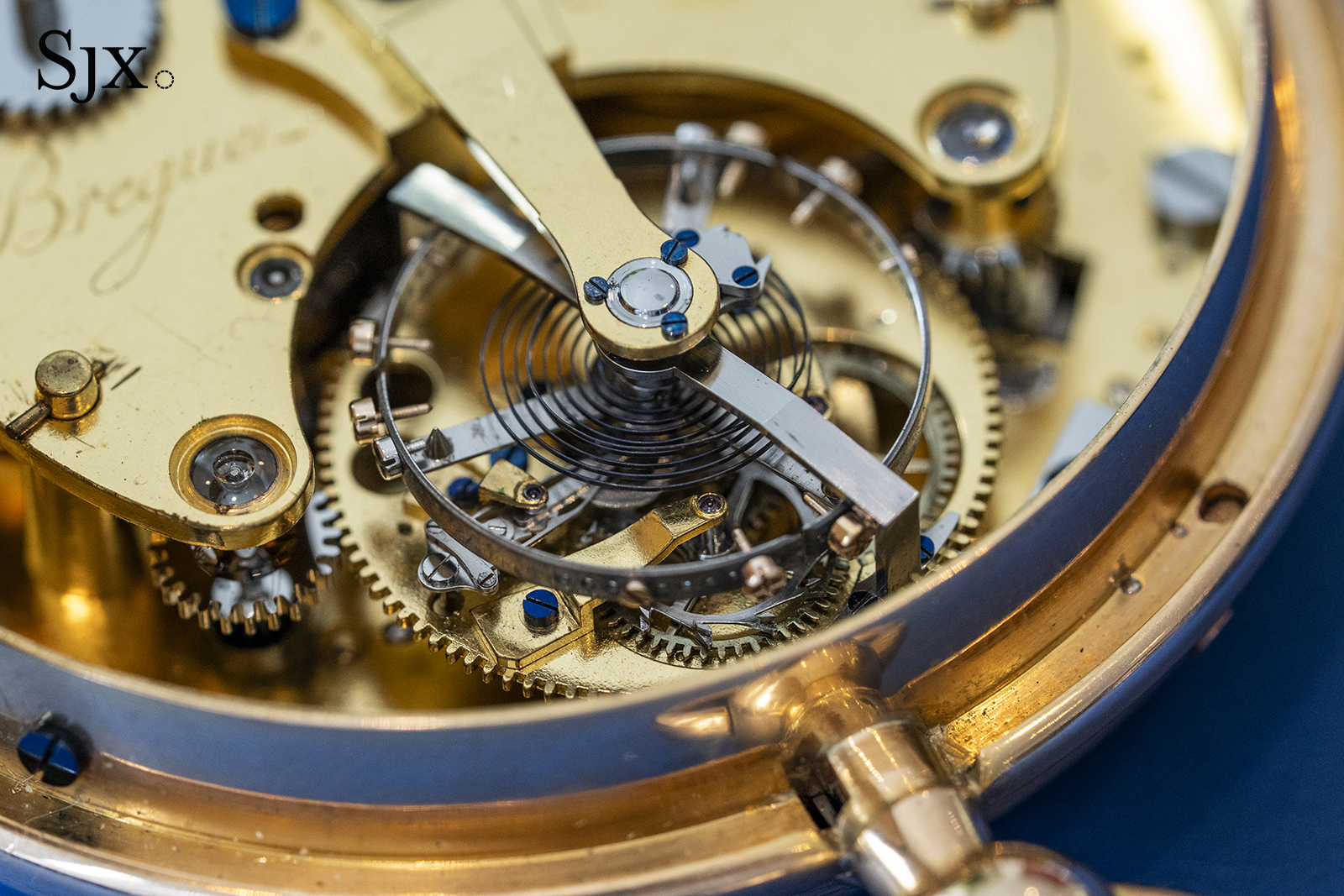
Modern independent watchmaking began with innovators such as George Daniels, Svend Andersen, Vincent Calabrese, François-Paul Journe, Franck Muller, Philippe Dufour, and others who introduced new mechanisms, revived traditional techniques, and developed distinctive artistic approaches. Their work helped establish independent watchmaking as a field where technical invention and personal vision could thrive, though many innovators also drew inspiration from historical designs and mechanisms. As independent watches have become commercially popular, imitation and converging styles—especially an emphasis on elaborate finishing and exposed mechanics—have grown more common. Social media and global communities amplify demand for particular aesthetics, while commercial success has made it easier for new watchmakers to work independently. Rather than predict whether the field has entered an era of excess, collectors are encouraged to judge originality, execution, and the character of watchmakers, including emerging talents whose work may run against current tastes.
Buying Time Analysis: This story matters because it examines how independent watchmaking has shifted from pioneering innovation toward imitation amid rising popularity, helping collectors distinguish original vision from market-driven trends.