Is a Rolex monopoly dangerous to the Swiss watch industry?
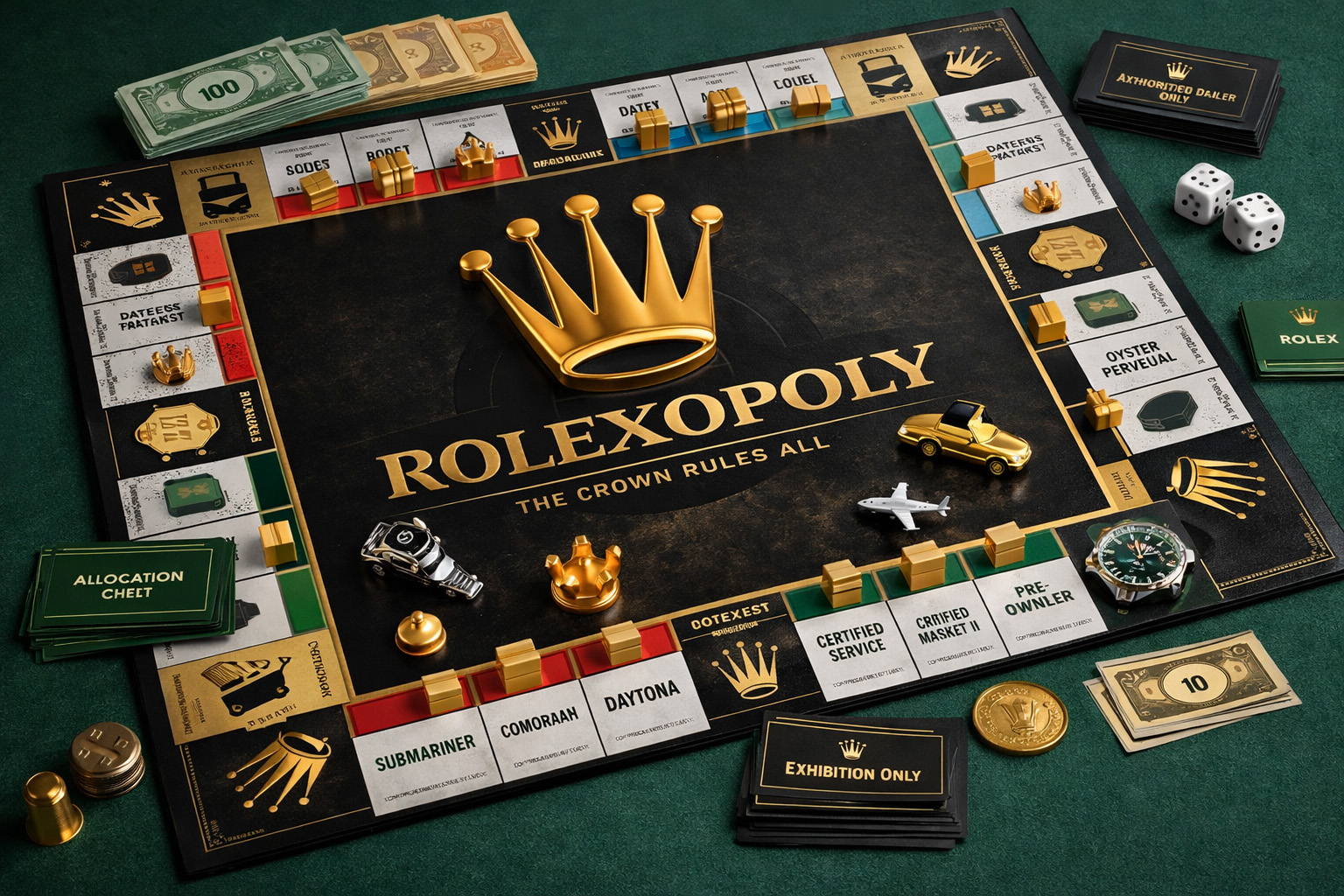
Rolex's significant market dominance raises concerns about its impact on the Swiss watch industry, particularly as it accounts for nearly two-thirds of luxury Swiss watch sales. Reports indicate that Rolex's sales topped CHF 11 billion in 2025, with a market share of 61% in the luxury segment priced over CHF 3,000. This concentration of power may lead to reduced competition, hindering innovation and maintaining higher prices for consumers. While Rolex invests heavily in technology and service, its dominance could create barriers for new entrants and pressure suppliers, potentially distorting the market. Despite its dominance, Rolex is not legally considered a monopoly, as it does not control its entire distribution chain and has competitors like Patek Philippe and Audemars Piguet. However, Rolex's ability to influence retail standards, dictate pricing, and control watch allocations raises questions about the health of competition within the luxury watch market. While alternatives exist, Rolex's unique position allows it to shape the market dynamics, leading to concerns about the long-term implications for both competitors and consumers.