Is Paying More for Luxury Military Watches Worth It?
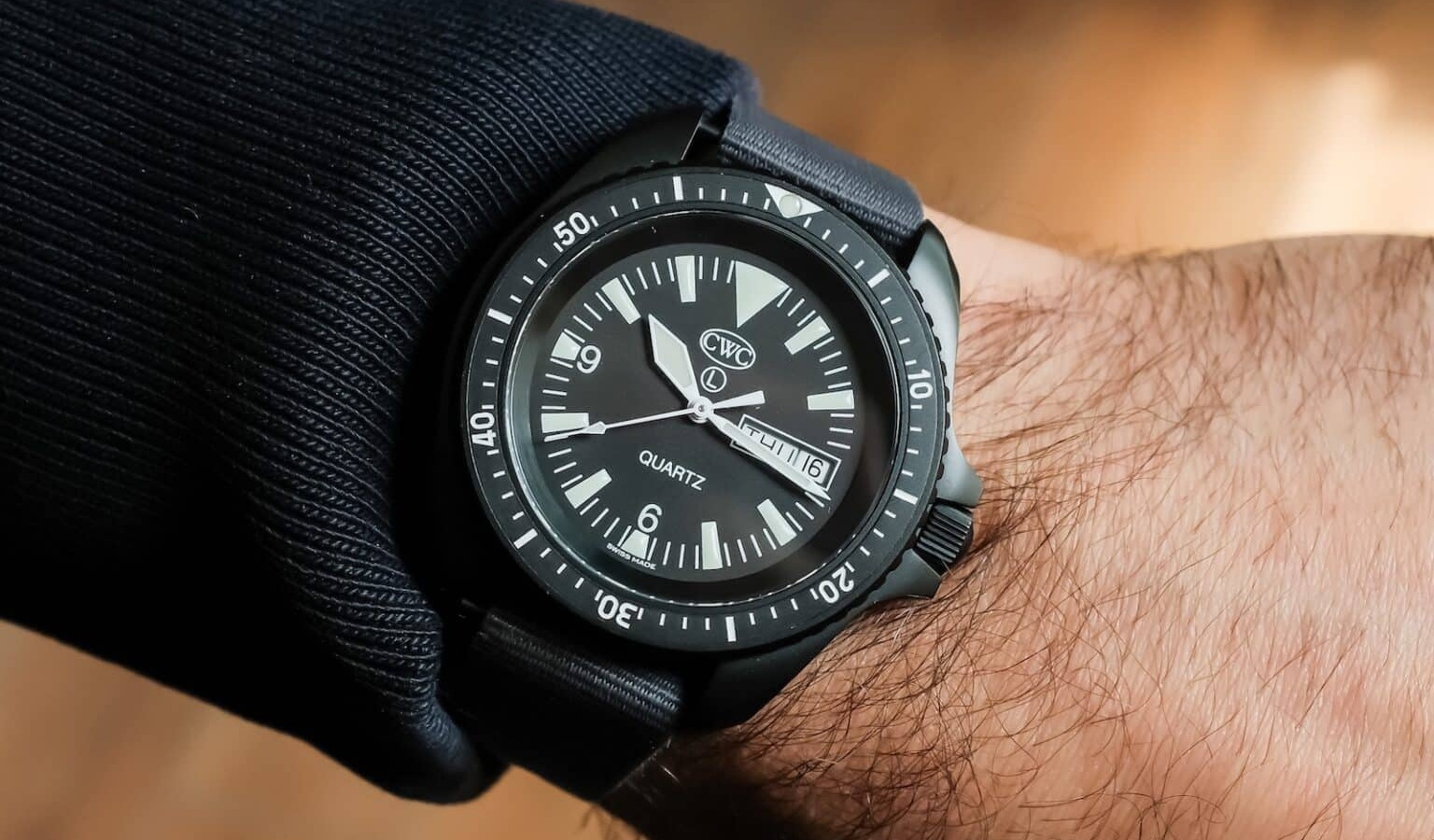
Military watches originated as practical tools designed for durability, legibility, and ease of use in demanding environments. Affordable models fulfill these core functions with simple quartz movements, solar power, or basic mechanical calibers, offering lightweight cases, modest water resistance, and reliable lume while keeping prices low. As price increases, watches incorporate higher‑grade materials such as titanium, sapphire crystal, and advanced coatings, along with refined engineering like anti‑magnetic cases, dehumidifying technology, and precise bezel mechanisms, enhancing comfort, durability, and tactile experience without sacrificing the original utilitarian purpose. At the premium end, the focus shifts to specialized technology, genuine military provenance, and meticulous finishing. Watches like the Marathon TSAR, CWC heritage pieces, and luxury‑grade models from Bremont, IWC, and Tudor combine robust specifications—high water resistance, tritium illumination, and rugged case designs—with historical authenticity, sophisticated movements, and premium aesthetics. This blend of functional upgrades and collector appeal justifies higher price points, offering owners not only superior performance but also a deeper connection to military heritage and refined horological craftsmanship.
Buying Time Analysis: This article critically examines how price influences perceived value in military watches, helping readers understand when higher cost truly adds functional or emotional worth versus when it merely adds luxury.