Issue #267 | Buying Time - October 13, 2026
From minimalist dials to Bovet’s globe-spanning mechanics, today’s watches make very different arguments for your attention.
Buying Time in 30 Seconds
Today’s issue asks what gives a watch lasting appeal: useful engineering, exceptional craftsmanship, or the story it carries. Chanel expands its watchmaking influence, while LVMH’s modest growth conceals a stronger performance in watches and jewelry. Unimatic strips the dial back, Toledano & Chan turns titanium into an optical experiment, and TAG Heuer puts Red Bull colors on a solar-powered Formula 1. Our features explore Patek Philippe’s enameling, the purpose of movement finishing, and the personal attachments behind very different collections. Yesterday’s Rolex Cellini Dual Time reached $18,805 without meeting reserve. Today, an unworn Bovet Récital 30 brings its inventive world-time system to Bezel with a $73,995 reserve and a 5:30 p.m. EDT finish.
Time Graphing Today’s Watch Universe
What Are We Really Looking at When We Look at a Watch?
A watch gives us several things to look at, and we do not always agree on which one matters most. There is the time, naturally. Then there is the design, the workmanship, the name, and the story we have attached to it. Somewhere in that mixture sits the reason a perfectly sensible person can study two nearly identical watches for an hour—or fall immediately for one that barely resembles a conventional watch at all.
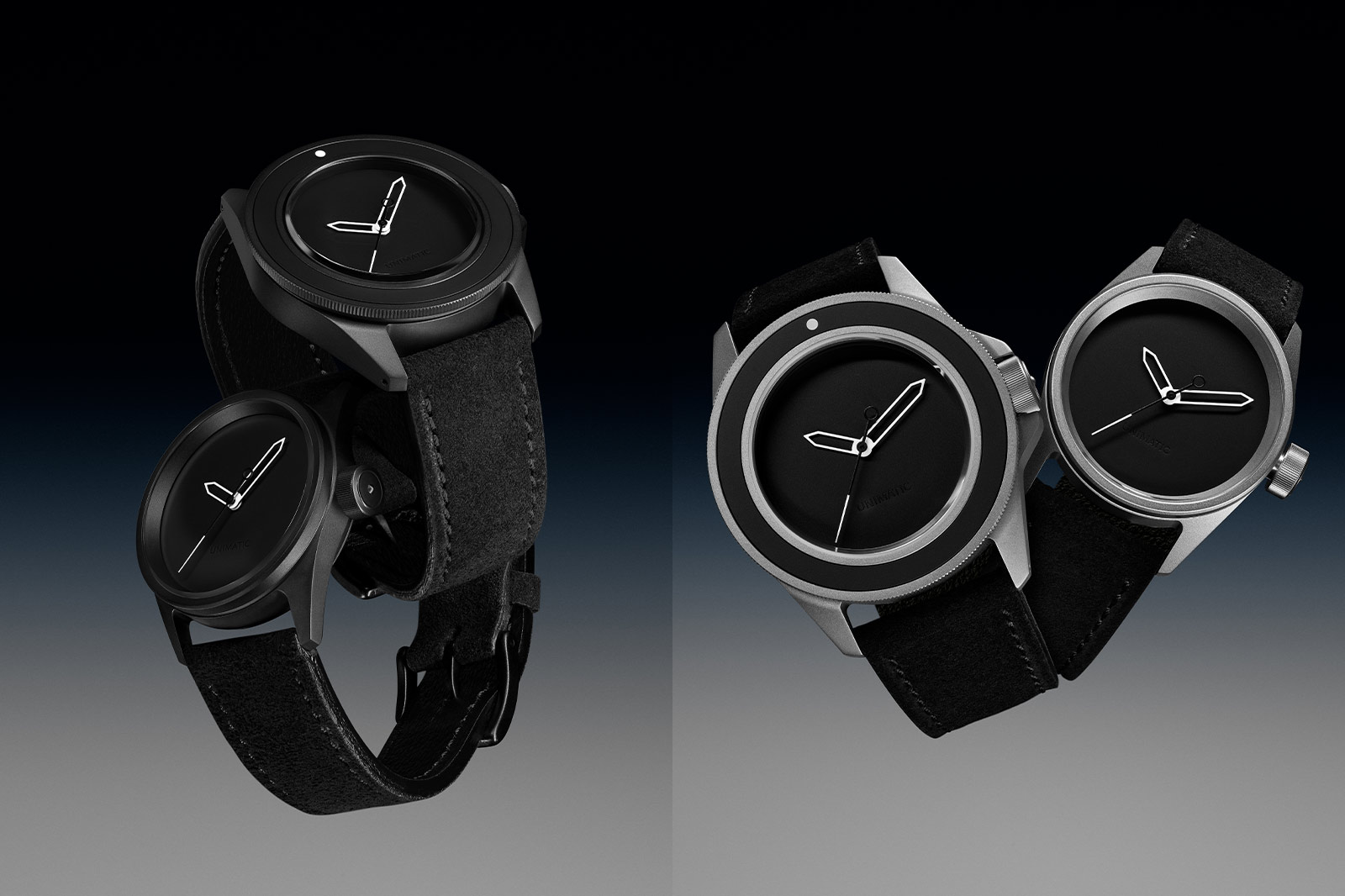
Today’s issue makes those competing attractions unusually clear. Start with the Unimatic ICON series, which removes much of the information we expect from a tool-watch dial. The recognizable case remains, but the usual visual instructions retreat. Unimatic is asking whether the shape of a watch can carry its identity when the familiar markers disappear. For some collectors, that will feel wonderfully pure. Hello Ming. Others will wonder why a watch has become less helpful at the one task printed on its job description. Both reactions are reasonable.
Then consider the Toledano & Chan B/1 Dazzle. Here, the surface is anything but quiet. Engraved lines and contrasting finishes interrupt the eye’s understanding of an already unconventional case. One watch removes visual information; the other gives us more than we can immediately organize. What connects them is the confidence to make design itself the attraction. Neither needs to win a popularity contest to succeed with the person wearing it.
That brings us to the question behind our feature on movement finishing. Collectors often speak about beauty and performance as though they arrive together in a neatly sealed package. Sometimes they do. Careful preparation of working surfaces has practical importance. But an exquisitely polished bevel is also something we admire because a skilled person spent time making it beautiful. We should be able to appreciate that achievement without insisting that every decorative flourish improves the rate on a timing machine.
The story of Patek Philippe’s cloisonné enamel takes that argument further. An enamel dial does not need to make a movement more accurate to justify our attention. Its significance lies in the artist’s judgment, the difficulty of controlling the material, and the survival of knowledge that cannot be recreated simply by buying another machine. Supporting that work over decades gives a manufacturer a role beyond selling watches. It helps preserve the possibility that someone will still know how to make them this way in the future.
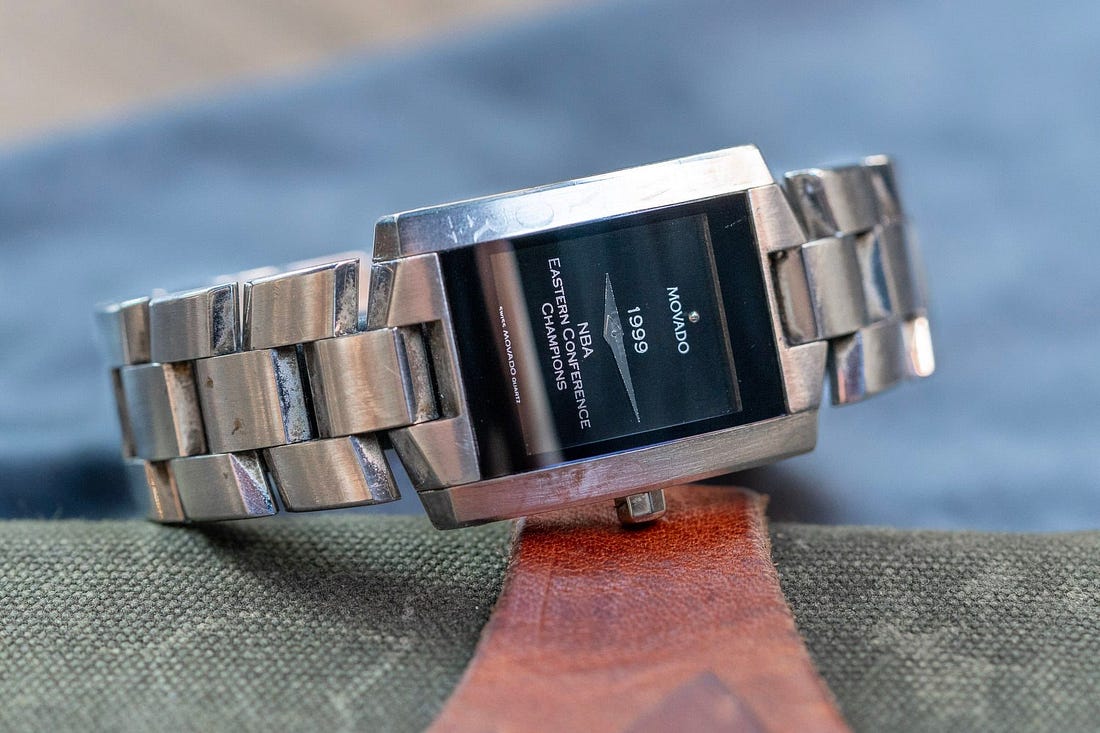
Yet craftsmanship alone does not explain why a particular watch becomes irreplaceable. The Movado made for the 1999 Knicks carries a different kind of weight. Its attraction comes from belonging to a shared experience. A commemorative watch can hold a season, a group of people, and a moment in someone’s life inside an otherwise modest object. A collector who sees only the specifications will miss much of what makes it worth keeping.
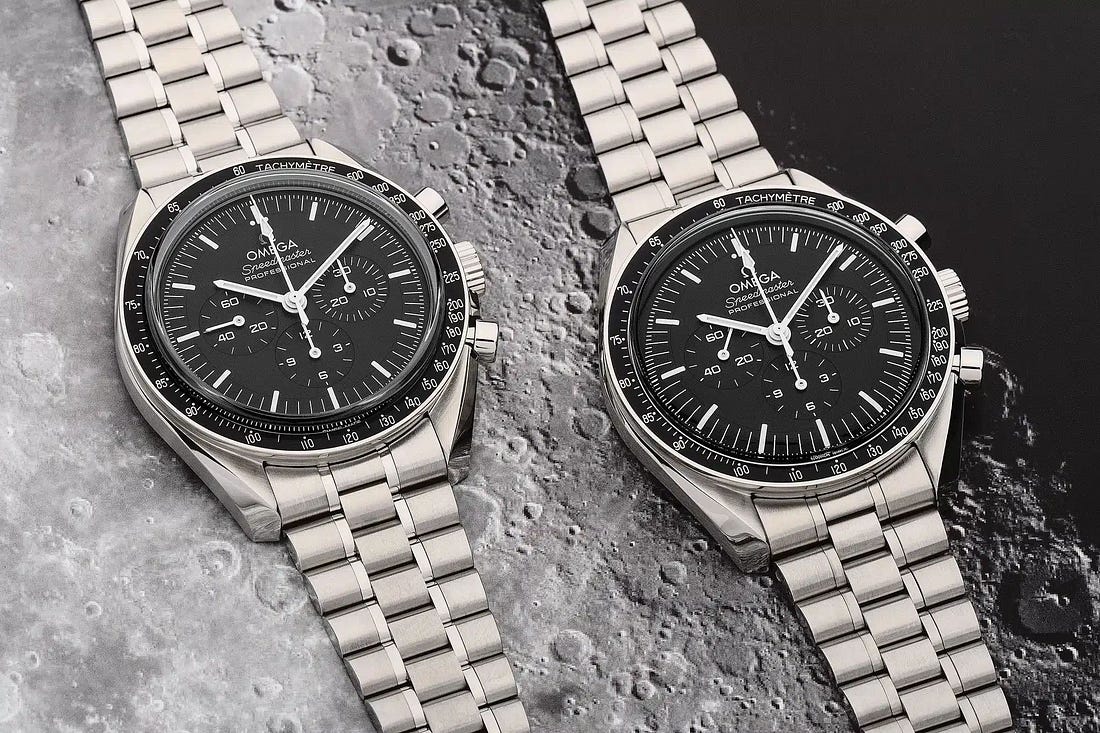
The three Speedmaster collectors arrive at a similar point from different directions. One gravitates toward origins, another toward the Snoopy story, and another toward the enduring modern Moonwatch. The collection name is the same; the emotional destination is different. That is why universal rankings of watches are entertaining but ultimately incomplete. They cannot account for the particular association that makes one reference feel right to one person.
Of course, enthusiasm has a habit of presenting its invoices after the romance has begun. Our collector’s account of increasingly ambitious purchases captures the way knowledge can expand desire. The more you understand, the more reasons you discover to want something else. Yesterday’s unsuccessful Cellini auction offers a useful counterpoint: affection, asking prices, and actual bids do not always meet. A watch can be interesting, beautifully made, and still fail to find a buyer at the seller’s required number.
Today’s Bovet brings the discussion back to engineering. Its world-time display addresses a real inconvenience: cities do not all change their clocks on the same dates, and some do not change them at all. The mechanism is visually arresting because it has a particular job to perform. Whether that job is worth $73,995 to the next owner is a separate question, and the auction will test it in a very specific setting.
Perhaps that is the most useful way to read today’s issue: ask each watch what it offers, then decide whether that is something you actually want. Beauty deserves attention. Useful invention deserves attention. So does a small piece of personal history. The pleasure of collecting comes from learning to recognize which of those things will still matter after the announcement, the unboxing, and the first photograph have passed.
-Michael Wolf
News

Chanel Expands Its Influence Across Swiss Watchmaking
Chanel continues to build a substantial presence in watchmaking through investments in specialist manufacturers and independent brands. Its network brings together creative talent, movement production, and industrial expertise, giving the company influence that extends well beyond the watches carrying its own name.
The proposed Ebel transaction adds another dimension. A buyer group involving Montres Journe, Chanel, and Pierre Jacques has agreed to acquire 95 percent of the business from Movado Group for $66.5 million, with completion still subject to closing conditions. Alongside Chanel’s other watchmaking investments, the deal illustrates an approach built around supporting distinctive businesses and preserving the expertise that makes them valuable. The eventual test will be how effectively that backing translates into stronger products and renewed interest from collectors.
LVMH Posts Modest Growth as Watches and Jewelry Show Greater Strength
LVMH reported organic revenue growth of 1 percent in the third quarter of 2026 and 2 percent across the first nine months, with nine-month revenue reaching approximately €57.1 billion. Performance remained uneven: Fashion & Leather Goods declined organically, while the regional picture combined weaker activity in China with better growth in the United States, Europe, and Japan.
Watches & Jewelry provided a brighter contribution, recording organic growth of 6 percent in the quarter and 8 percent over the first nine months, on revenue of approximately €7.7 billion. The contrast matters for watch enthusiasts watching the broader luxury market. Demand is moving at different speeds across categories, and a modest group headline can conceal considerably stronger performance within individual businesses.
Features
Knicks in Five, but Movados in ’99
The 1999 New York Knicks did not bring home an NBA championship, but their improbable season produced a commemorative object that still carries meaning: a Movado watch created for people connected with the team. Initiated by Knicks president Dave Checketts, the project recognized a shared achievement with something more personal and enduring than another piece of team merchandise.
Tracing these watches today is part of the fascination. Their limited visibility in the market makes them difficult to study, while their connection to a memorable team gives them appeal beyond conventional watch collecting. The story also offers a welcome reminder that significance does not always arrive in a precious-metal case. Sometimes it comes from knowing who received the watch, why it was given, and what that season meant.
The Collector’s View: “How I Devastated My Savings”
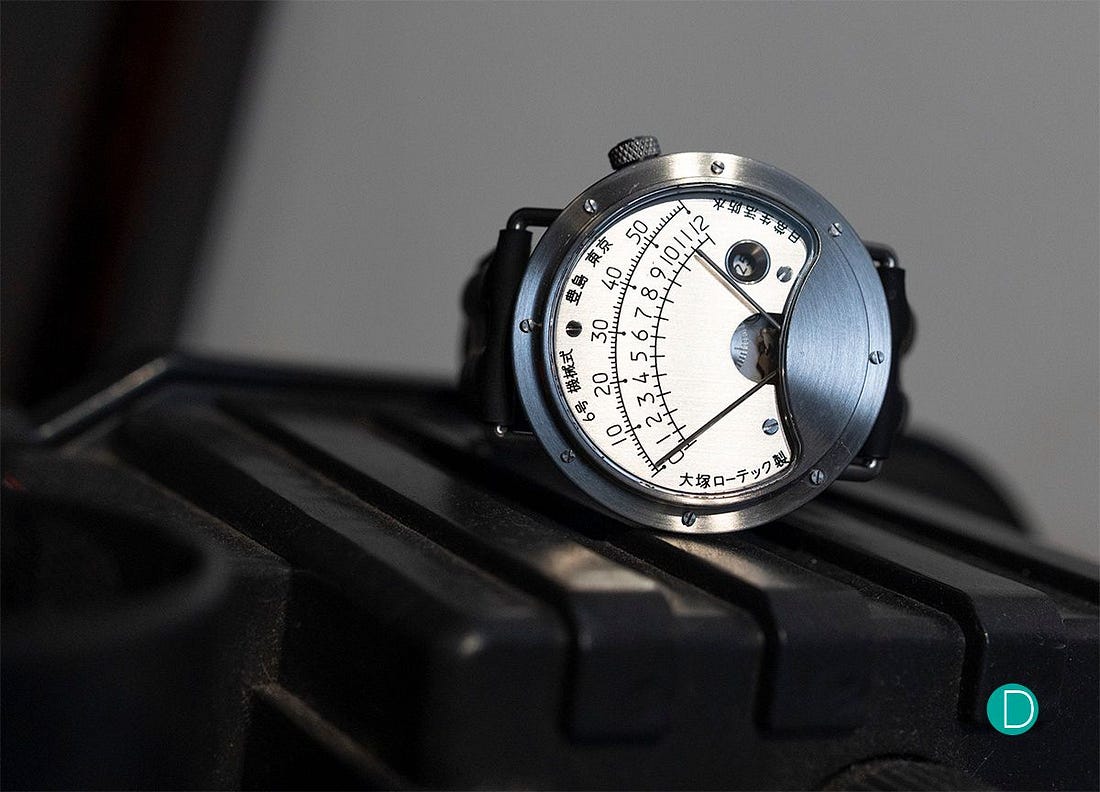
A fascination that begins with accessible digital watches can travel a remarkably expensive distance. This collector’s account follows that progression through familiar landmarks—including Audemars Piguet, Patek Philippe, and A. Lange & Söhne—before moving deeper into independent watchmaking with Voutilainen, Urwerk, MB&F, and Sylvain Pinaud.
The purchases are only part of the story. Advice from other collectors, meetings with watchmakers, and the anticipation surrounding a scarce piece all help explain how appreciation becomes commitment. There is humor in the financial consequences, but also a recognizable truth: learning more about watches can make restraint harder. The account is most engaging when it shows how relationships and experience shape a collection as strongly as any planned list of references.
Three Collectors, Three Very Different Speedmasters
The Omega Speedmaster’s identity is strong enough to accommodate surprisingly different tastes. Marco Gabella looks toward its early history, Watchinflight embraces the Silver Snoopy Award 50th Anniversary edition, and Kristian Haagen finds lasting satisfaction in the modern Moonwatch Professional.
Their choices reveal three distinct ways of collecting. Early examples reward an interest in origins and design development; the Snoopy edition adds playfulness and the Apollo 13 story; the contemporary Moonwatch offers continuity with a familiar and enduring form. Together, the perspectives explain why the Speedmaster remains such fertile territory. A collector can enter through history, mechanical detail, cultural associations, or everyday wearability and still arrive at a watch with a strong sense of identity.
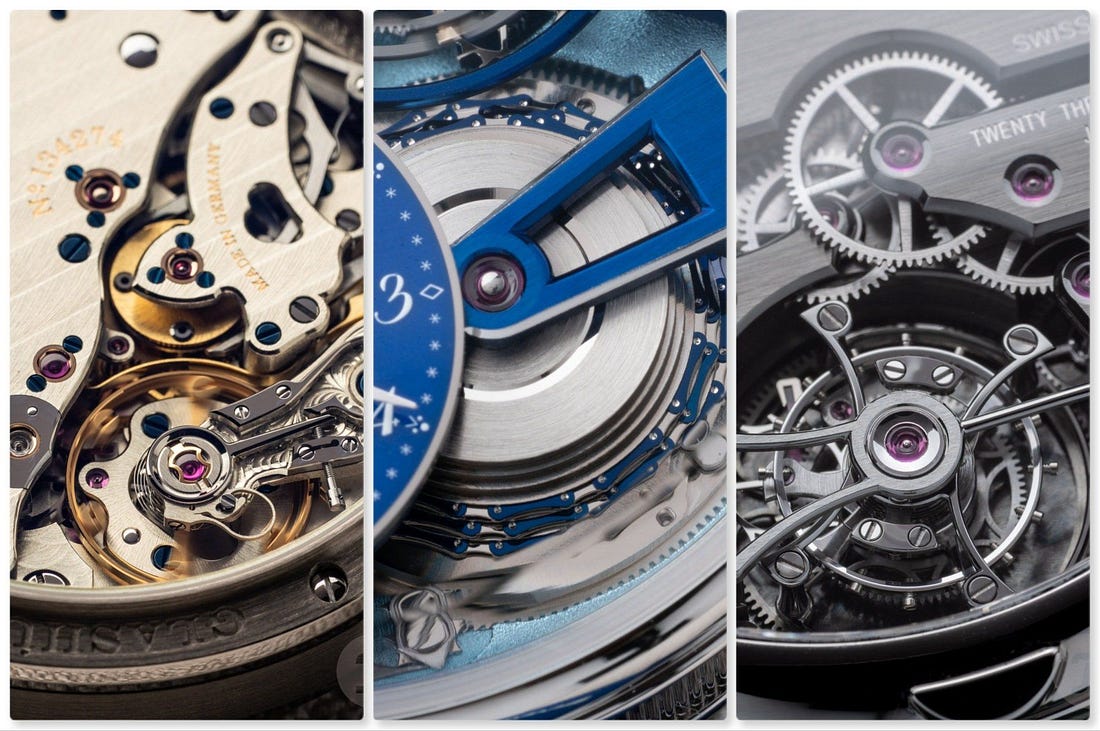
Does Beautiful Finishing Make a Movement Work Better?
Anglage, Geneva stripes, perlage, black polishing, and blued screws have become familiar parts of the language used to describe fine watchmaking. They can demonstrate extraordinary skill, but their presence does not automatically establish superior accuracy or reliability. Understanding a movement means distinguishing the preparation of functional surfaces from decoration applied primarily for visual pleasure.
This feature examines where practical craftsmanship and aesthetic finishing overlap—and where they serve different purposes. A carefully engineered movement can perform extremely well without elaborate ornament, while a beautifully decorated one still depends on sound construction and regulation. The most useful conclusion is that finishing deserves appreciation on its own terms. Beauty can be a compelling reason to value a watch without needing an exaggerated performance claim attached to every polished surface.
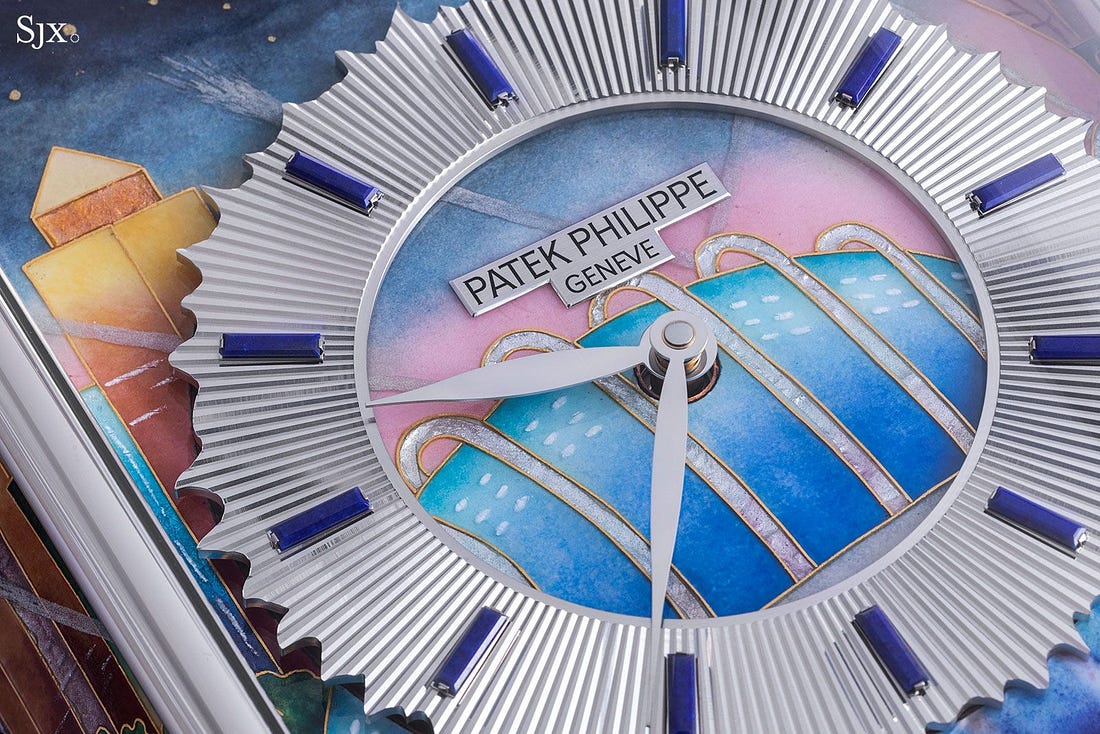
Patek Philippe and the Patient Art of Cloisonné
Cloisonné enamel demands precision long before the finished dial reaches a watch. Fine metal wires establish the boundaries of a design, enamel fills the resulting compartments, and repeated firings transform those materials into a richly colored surface. Each stage introduces opportunities for distortion or failure, making a successful dial an achievement in both planning and judgment.
Patek Philippe’s longstanding support helped sustain this expertise through periods when demand for such work was limited. World-time maps, landscapes, and other miniature compositions demonstrate how a watch dial can become a small but ambitious artistic space. The story follows the people and techniques behind that continuity, showing why the survival of rare crafts depends on steady patronage as well as occasional spectacular commissions.
New Watches
Dollar equivalents marked approximate are conversions, not confirmed U.S. retail prices. Local taxes and market pricing may differ.
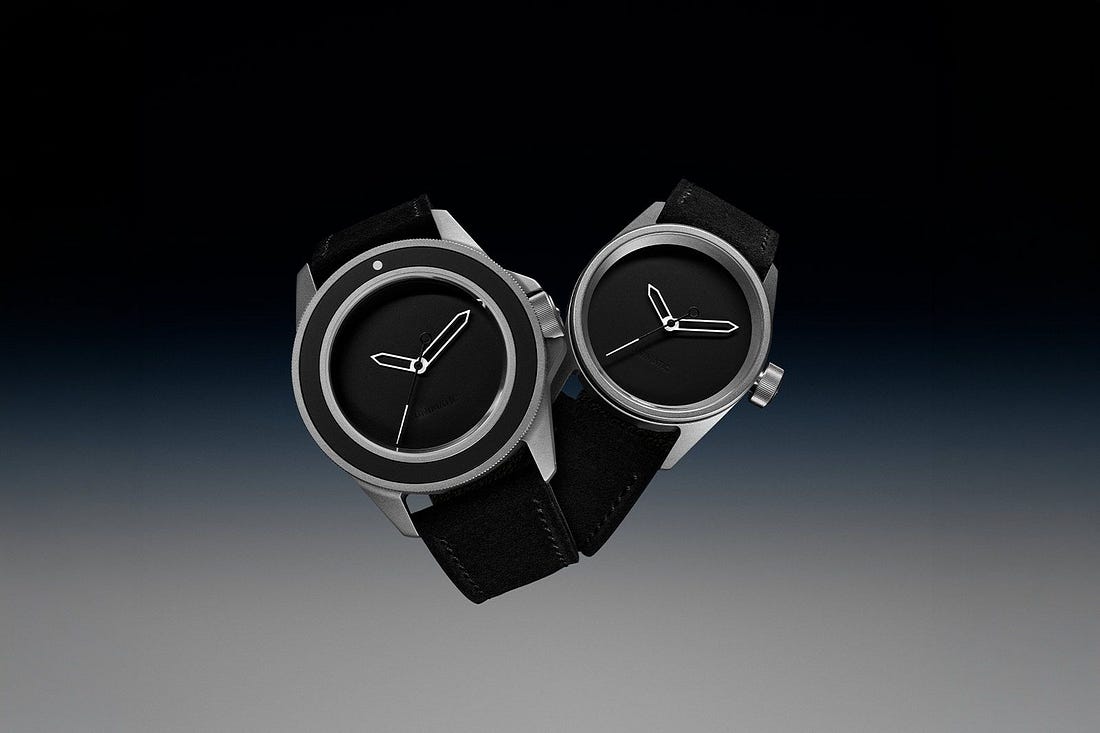
Unimatic ICON: Familiar Tool-Watch Shapes, Almost Nothing on the Dial
Unimatic’s ICON series takes its recognizable tool-watch forms and removes much of their customary dial furniture, leaving black surfaces, a discreet logo, and skeletonized hands. Four references cover the 40mm Modello Uno and 36mm Modello Cinque in titanium or black DLC-coated titanium, with each version limited to 99 pieces. The automatic Sellita SW200-1b supplies approximately 38 hours of power reserve, while black suede straps reinforce the collection’s emphasis on texture and shape. The result is a deliberately spare interpretation of Unimatic’s identity, aimed at collectors who enjoy the tension between a robust case and an unusually quiet display. Reported prices: US$1,830 for the titanium Uno, US$2,005 for the DLC Uno, US$1,715 for the titanium Cinque, and US$1,890 for the DLC Cinque.
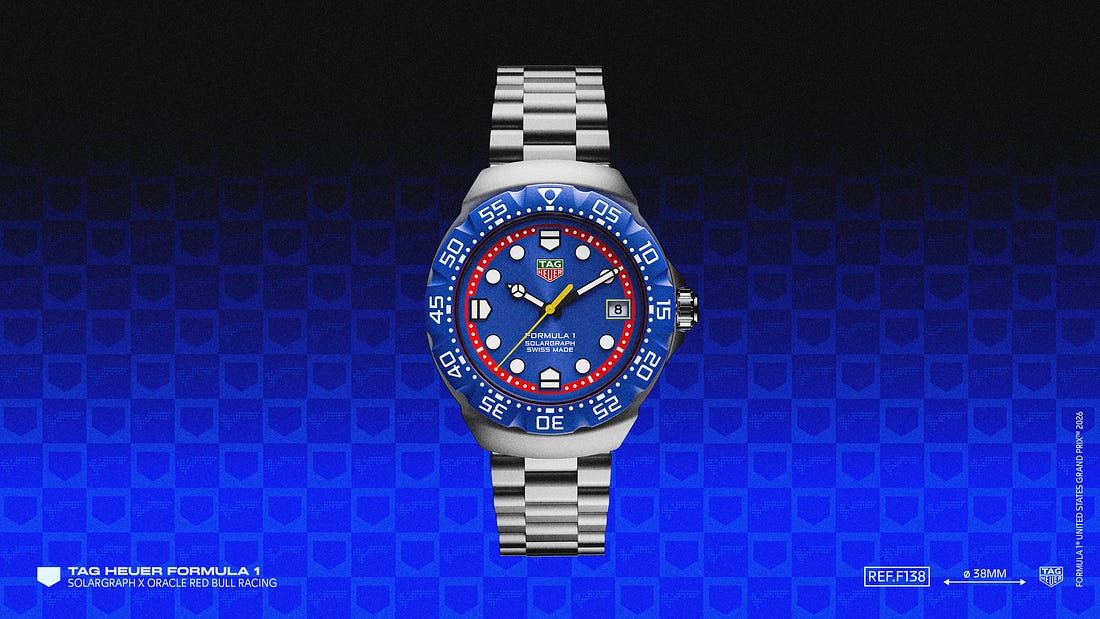
TAG Heuer Formula 1 Solargraph Celebrates a Decade With Oracle Red Bull Racing
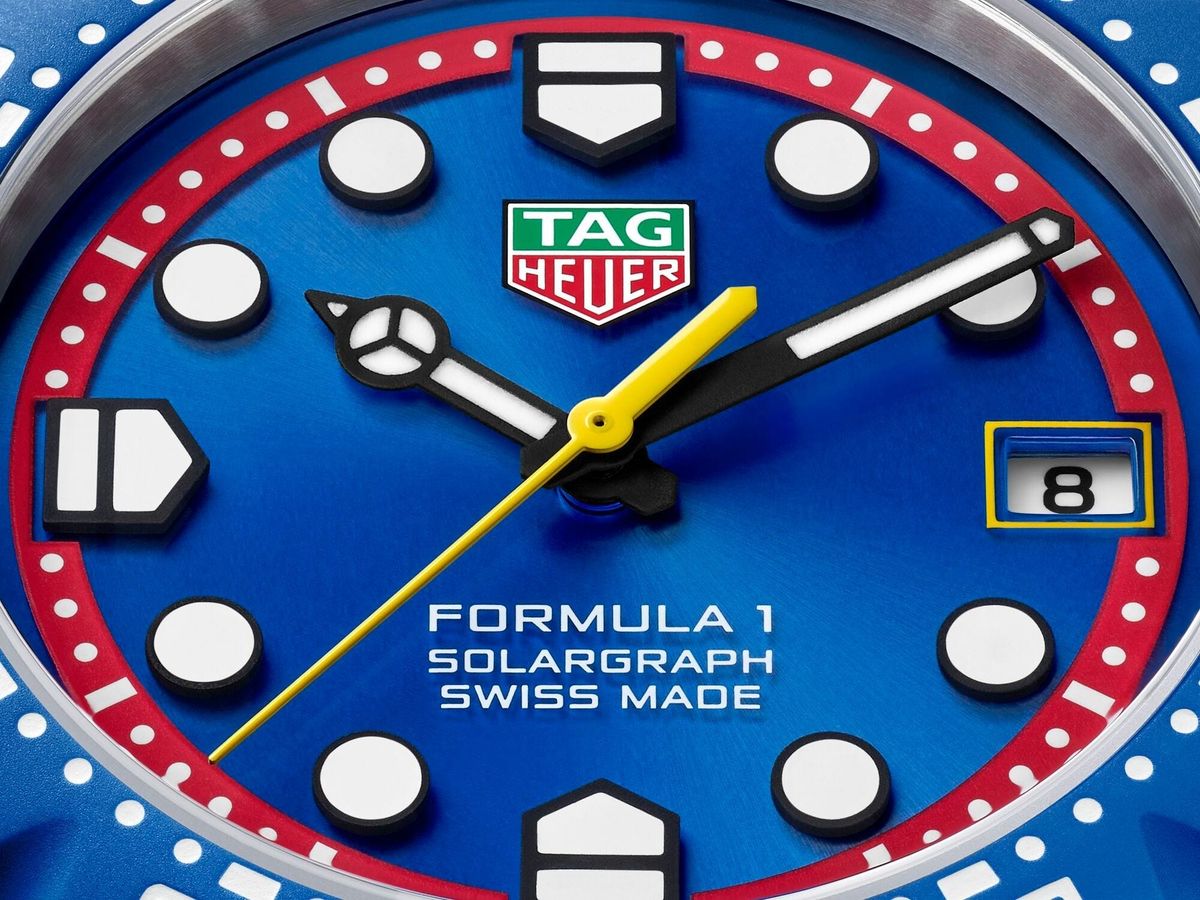
TAG Heuer marks ten years with Oracle Red Bull Racing through a Formula 1 Solargraph special edition that brings the team’s blue, red, and yellow palette to a compact 38mm watch. A blue sunray dial, red detailing, and a yellow seconds hand deliver the racing connection, while the sandblasted steel case and bracelet give the design an everyday sporting character. The light-powered TH50-00 movement offers up to ten months of operation in darkness after a full charge, and the watch carries 100 meters of water resistance. Team branding and a checkered motif appear on the caseback, allowing the dial to retain a relatively straightforward appearance; the release is described as a special edition without a stated numbered production limit. Price: US$2,250.
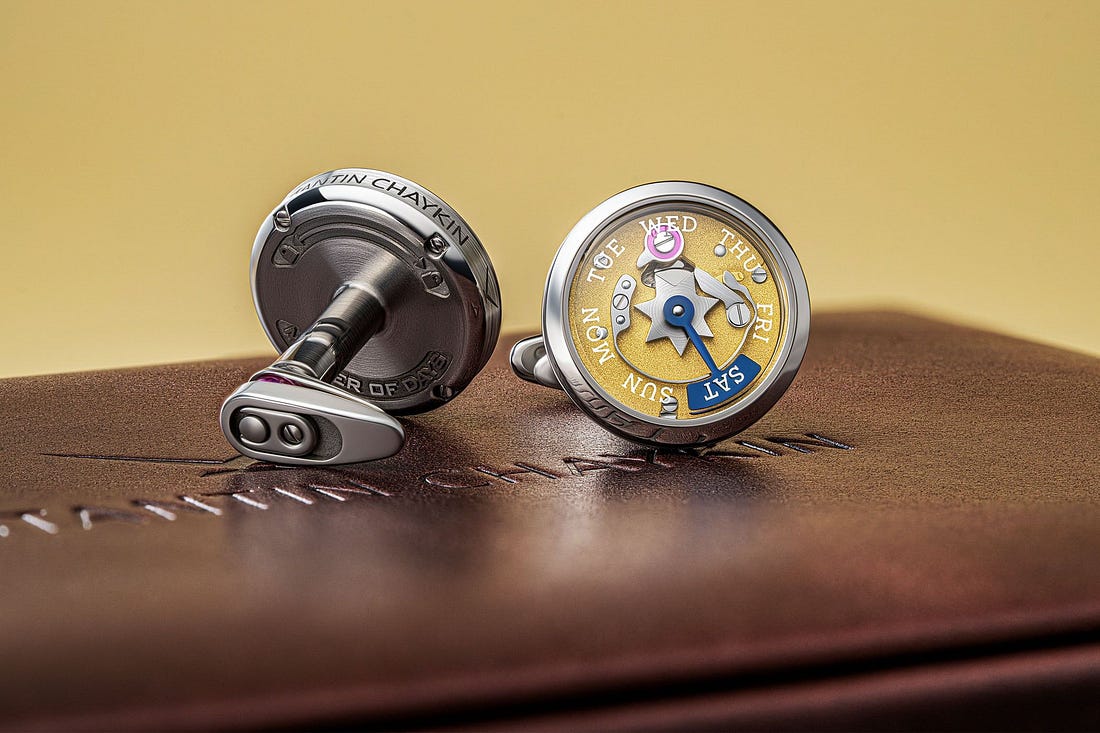
Konstantin Chaykin’s Master of Days Puts a Mechanical Calendar on Your Cuffs
Konstantin Chaykin extends his inventive approach beyond the wrist with Master of Days cufflinks, a pair of miniature mechanical day displays housed in titanium. Each 18mm cufflink uses a bright blue pointer to indicate the day of the week, with a mechanism actuated through the fastening action. Sapphire crystals protect the displays, while the small assemblies incorporate watchmaking details such as polished, brushed, and beveled surfaces. These are accessories for someone who enjoys interacting with a mechanism as much as admiring it—a small daily ritual hidden in the otherwise routine business of getting dressed. Price: approximately US$5,400, converted from CHF4,500.
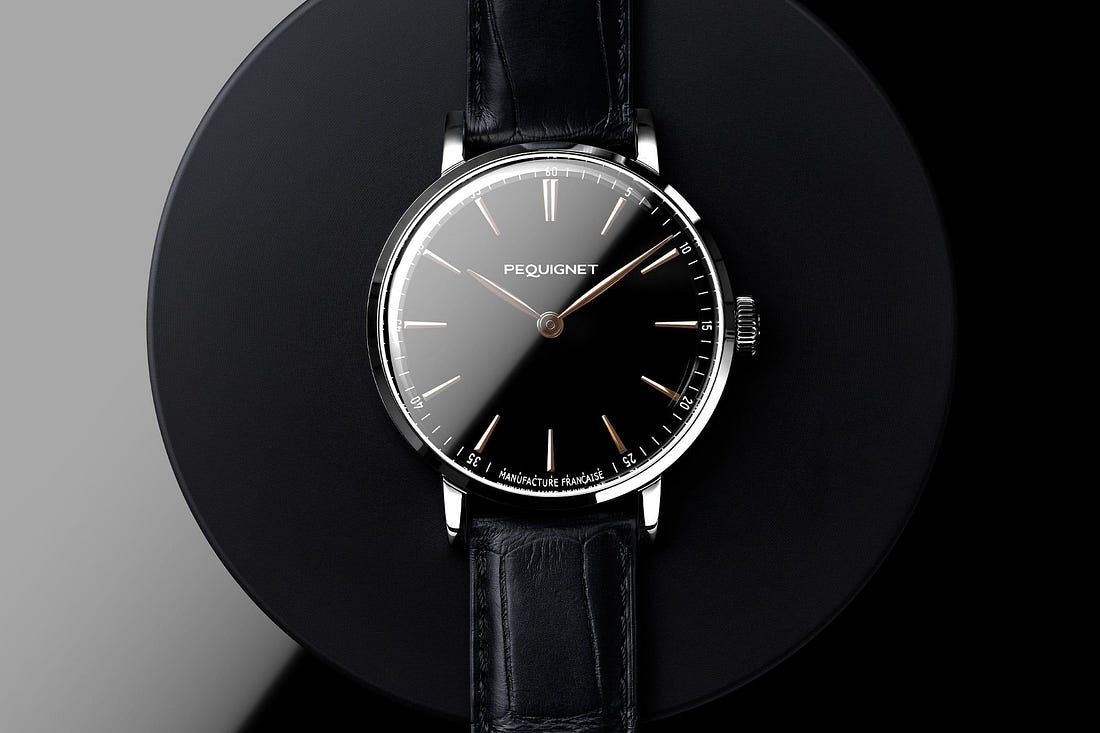
Pequignet Attitude Onyx Lets the Stone Do the Talking
The Pequignet Attitude Onyx builds its appeal around a black onyx dial, using rose-gold-plated hands and indices to provide a warm contrast against the stone’s dark surface. Its polished 39mm stainless-steel case, domed sapphire crystal, and black leather strap create a restrained dress-watch presentation that gives the dial room to work. Inside is Pequignet’s manufacture Calibre Initial automatic movement, offering a 65-hour power reserve and visible through a sapphire caseback. With 50 meters of water resistance and a permanent place in the collection, the watch brings French mechanical watchmaking and a natural dial material together in an approachable, classical format. Price: approximately US$3,913, converted from the €3,500 VAT-inclusive European price.
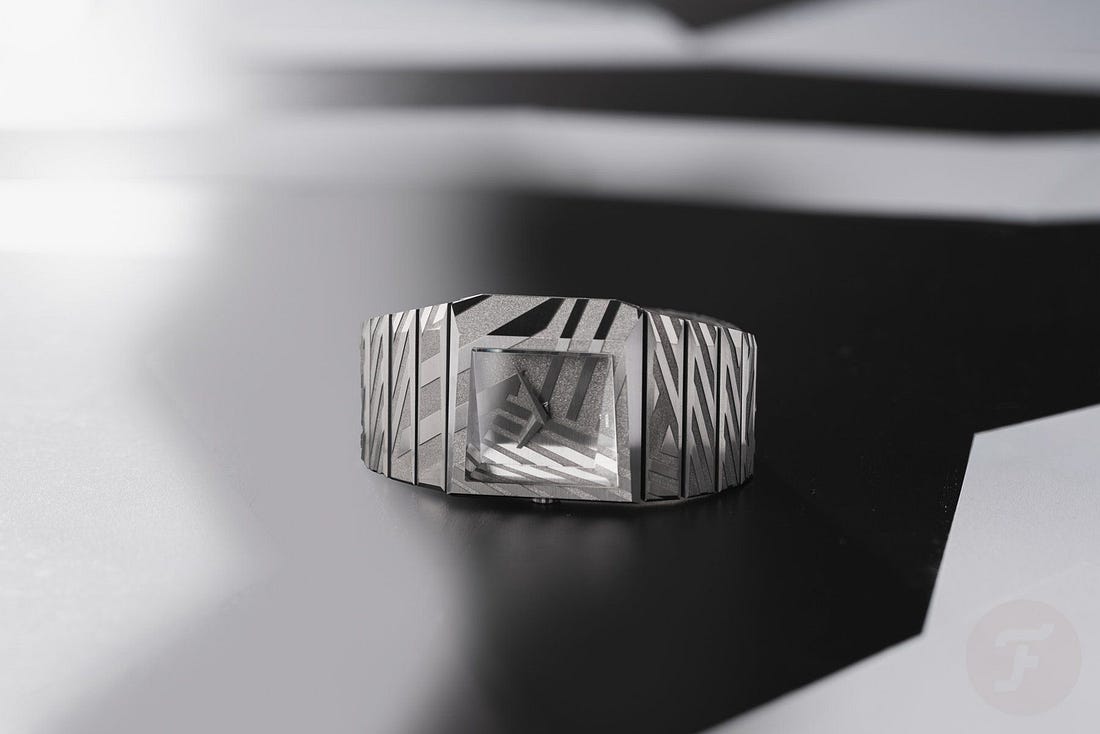
Toledano & Chan B/1 Dazzle Turns Titanium Into an Optical Experiment
Toledano & Chan gives its asymmetrical B/1 another forceful visual identity with the Dazzle, using intersecting engraved lines and contrasting surface treatments to disrupt the eye’s reading of the watch. The titanium case and integrated bracelet become part of the same composition, with frosted recesses and brushed raised surfaces changing character as light moves across them. Production comprises 188 standard examples and 12 Double Dazzle pieces, the latter adding 350 natural pavé diamonds, with both versions powered by a Sellita SW100 automatic movement. Availability is scheduled for October 24, making this a release for collectors who want the architecture and finish of a watch to dominate the conversation. Prices: US$7,700 for the B/1 Dazzle and US$9,700 for the Double Dazzle.
Reviews
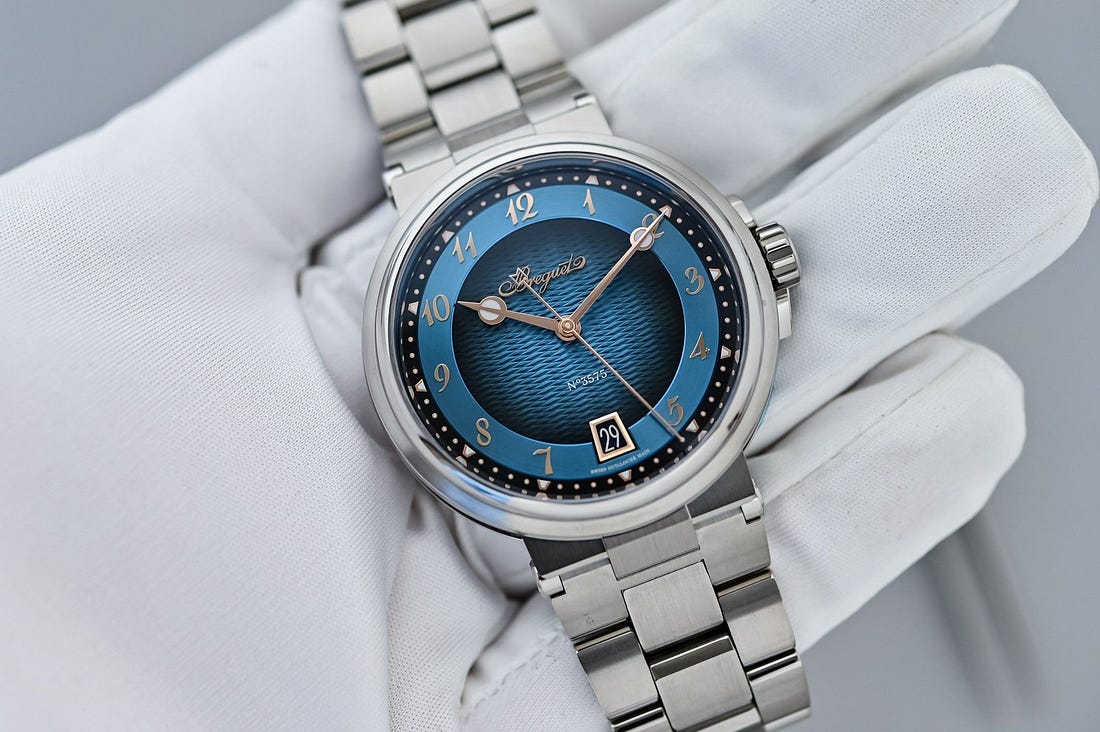
Breguet Marine 5517 Charts a More Classical Course
The updated Breguet Marine 5517 shifts the collection’s visual emphasis through revised dials, Arabic numerals, and a date display at six o’clock. The changes give the face a more balanced arrangement while keeping the watch connected to Breguet’s broader language of decorative craft and marine-inspired design.
The review explores variations in titanium and precious metals, along with the different personalities created by dial treatments, bracelets, and rubber straps. The automatic caliber 777A continues to underpin the collection, while details such as guilloché work and the nautical character of the rotor help distinguish it from more generic luxury sports watches. For collectors who admired the Marine’s substance but found its previous presentation too assertive, the new direction deserves a closer look.
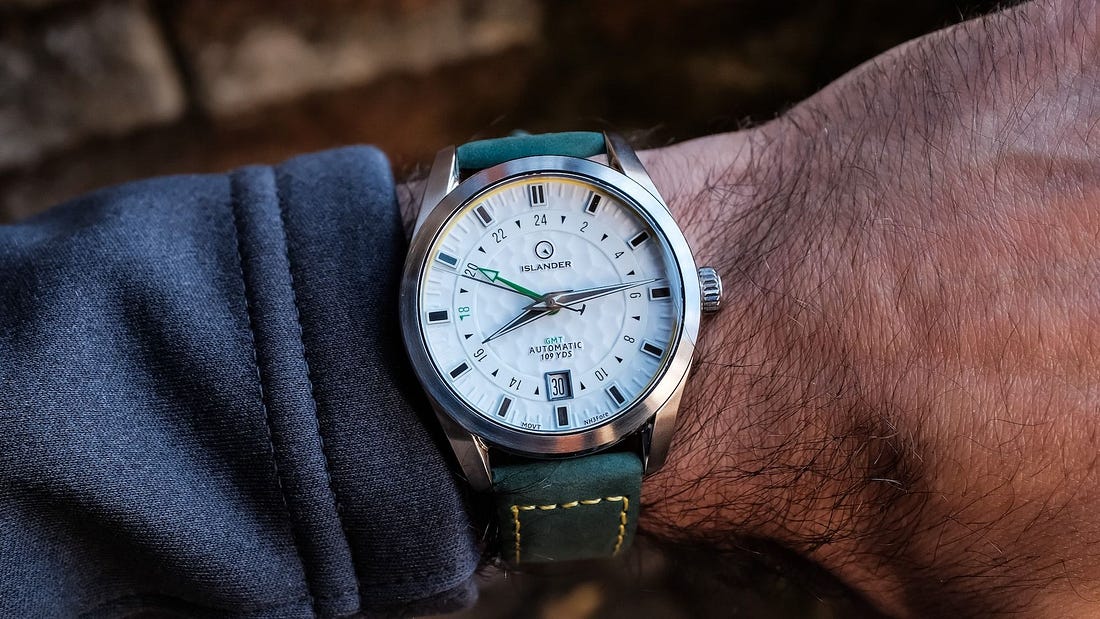
Islander Melville GMT: An Affordable Watch With an Expensive-Looking Dial
The Islander Melville GMT combines a white textured dial with green and yellow accents, creating an appearance that prompted the reviewer to draw comparisons with Grand Seiko. At $399, however, its appeal rests on delivering a distinctive design and practical specifications at a far more accessible price.
The 40mm watch uses an NH34 automatic GMT movement, a sapphire crystal, a screw-down crown, and 100 meters of water resistance. Time on the wrist reportedly improves the impression of the dial and color scheme, though the review identifies compromises, including a GMT hand that can take a moment to locate and the absence of quick-release spring bars. It is an engaging assessment of how much personality an affordable watch can offer—and which details still matter after the initial attraction.
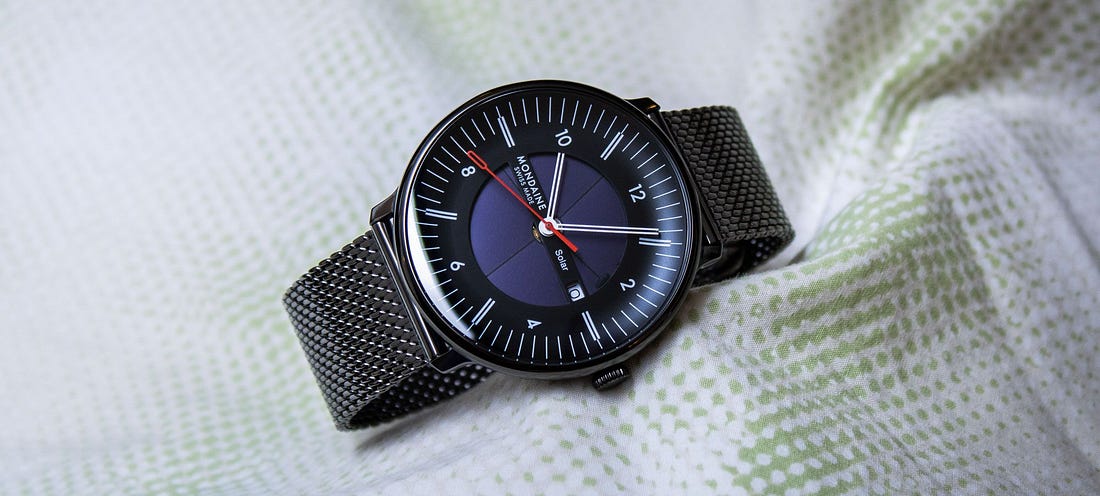
Mondaine Doppio Solar Skeleton Makes Its Power Source Part of the Design
Mondaine’s Doppio Solar Skeleton reinterprets the brand’s railway-clock aesthetic by opening the dial to reveal elements of its solar technology. The familiar red seconds hand remains a visual anchor, while the 41mm steel case and domed sapphire crystal frame a more technical-looking face than the usual Mondaine.
A Swiss-made Ronda 215 movement provides solar-powered operation, with up to eight months of running time in darkness after a full charge. Buyers can choose a polished steel version on a black vegan-leather strap for $465 or a gunmetal-finished model on a mesh bracelet for $495. The review considers a watch that makes everyday convenience visible, giving the technology a role in the aesthetic rather than hiding it behind a conventional dial.
Events
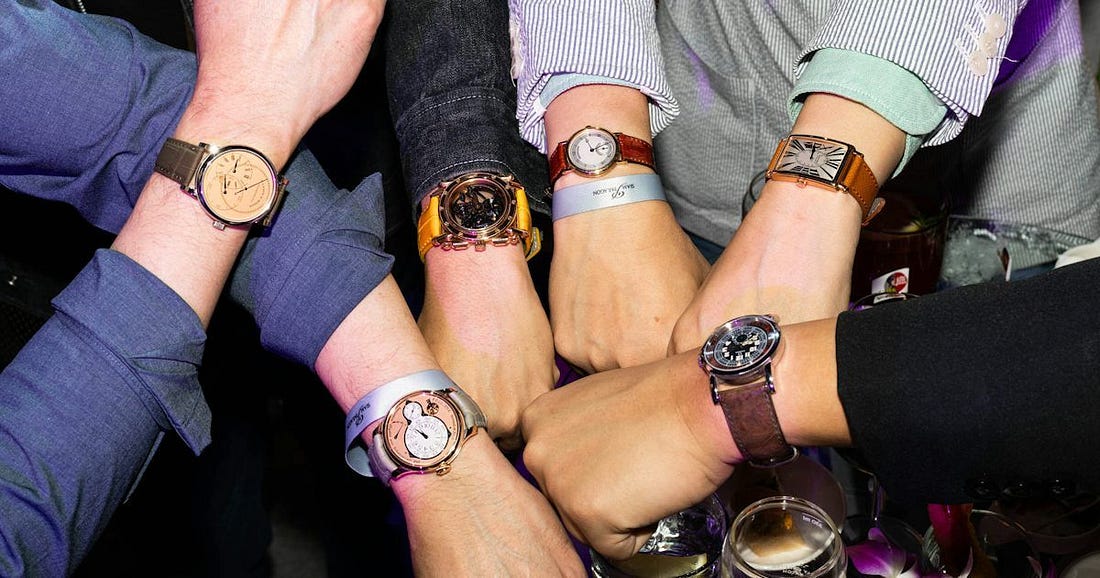
Bangkok Watch Week: The Best Display Cases Were on People’s Wrists
Bangkok Watch Week’s appeal extends well beyond formal presentations. This photo report follows the watches brought by enthusiasts themselves, recording a mix of vintage pieces, contemporary favorites, and less predictable choices that reflects the breadth of collecting across the region.
Talks, panels, and brand activities provide the framework, but the wrist shots make the gathering feel personal. Cartier, Rolex, Bvlgari, and A. Lange & Söhne appear among a much wider assortment, with individual choices providing the starting point for conversations. The report is a reminder that a watch event becomes memorable through the people it brings together—and that some of the most interesting discoveries happen between scheduled sessions.
Videos

Adrian Barker: “Your Watch Has Been Lying to You!”
Adrian Barker uses a provocative premise to examine the assumptions we bring to watches and the experience of time. The discussion invites viewers to think about the gap between what a time display tells us and how we interpret it in everyday life. It is a fitting companion to an issue concerned with looking more closely at familiar objects and questioning the meanings we routinely assign to them.

Time+Tide: Formex Essence FortyOne “Arctic White” Hands-On
Time+Tide takes the Formex Essence FortyOne “Arctic White” into a hands-on setting, where proportions, dial treatment, and the overall wearing impression receive attention. The format offers a useful complement to specifications and product photographs, allowing viewers to see how the watch presents itself in motion. For anyone considering the Essence, the central question is how effectively its technical identity translates into a watch they would enjoy wearing regularly.

Watchtrader & Co: Ranking Watch Brands From Best to Worst
Brand rankings are almost guaranteed to start an argument, which is part of their entertainment value. Watchtrader & Co offers a collector’s hierarchy, bringing questions of design, craftsmanship, reputation, and desirability into one discussion. Treat it as a perspective to consider against your own priorities: the placement that seems obvious to one collector may look completely wrong to another.

Watch Society: Did Rolex Make Enough of Its Anniversary Moment?
Watch Society examines Rolex’s anniversary approach and asks whether the associated offering matches the scale of the occasion. The discussion centers on expectations: how much should a brand built on recognizable design change when an important milestone arrives? For viewers who enjoy debating the balance between continuity and surprise, there is plenty of room to form an opinion.

Wristlock Watches: What Happens to Luxury Watches When the Economy Crashes?
Wristlock Watches considers how economic stress can affect demand, resale expectations, and the ease of finding a buyer for a luxury watch. The topic is especially relevant when collectors begin treating an asking price as though it were money already available in the bank. The discussion provides a useful prompt to separate the pleasure of ownership from assumptions about how quickly, or at what price, a watch could eventually sell.

Orafix: The Italian Brand Behind a New Complication
Orafix turns to mechanical invention, exploring an Italian brand’s attempt to introduce a different complication. The attraction is the development process: what problem or experience inspired the mechanism, and how the idea becomes something a wearer can use or observe. It is a selection for viewers who enjoy seeing watchmaking move beyond familiar layouts and functions.
Auctions
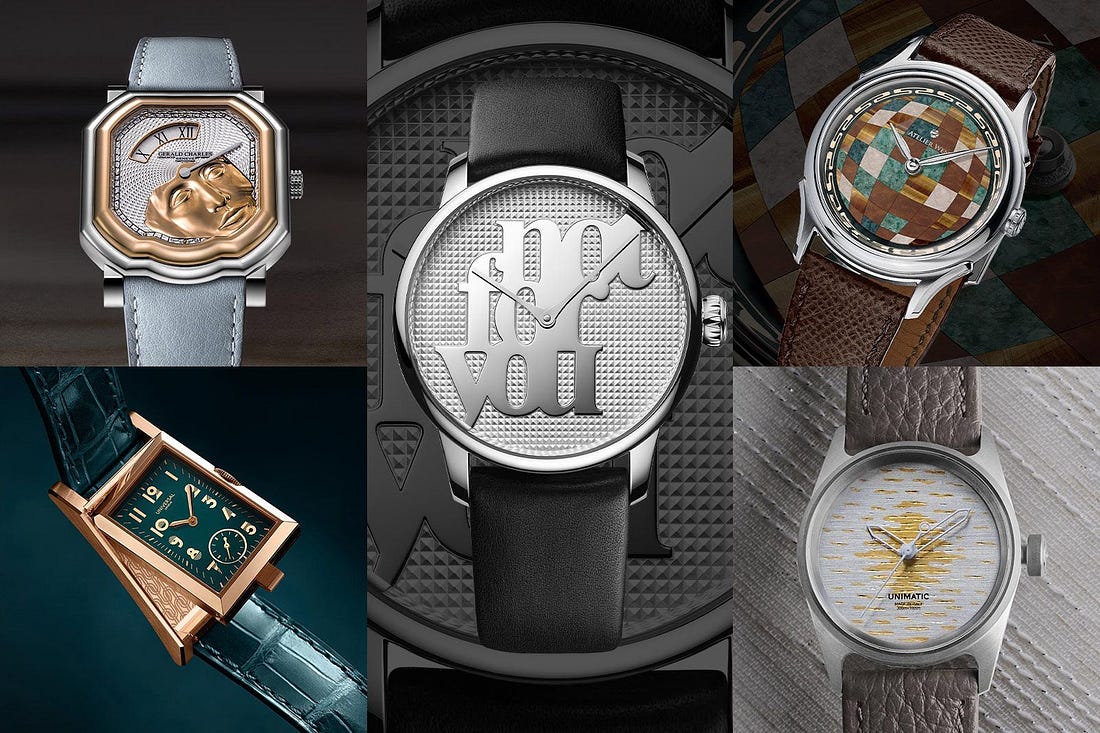
TimeForArt 2026 Brings Unique Watches and Contemporary Art Together
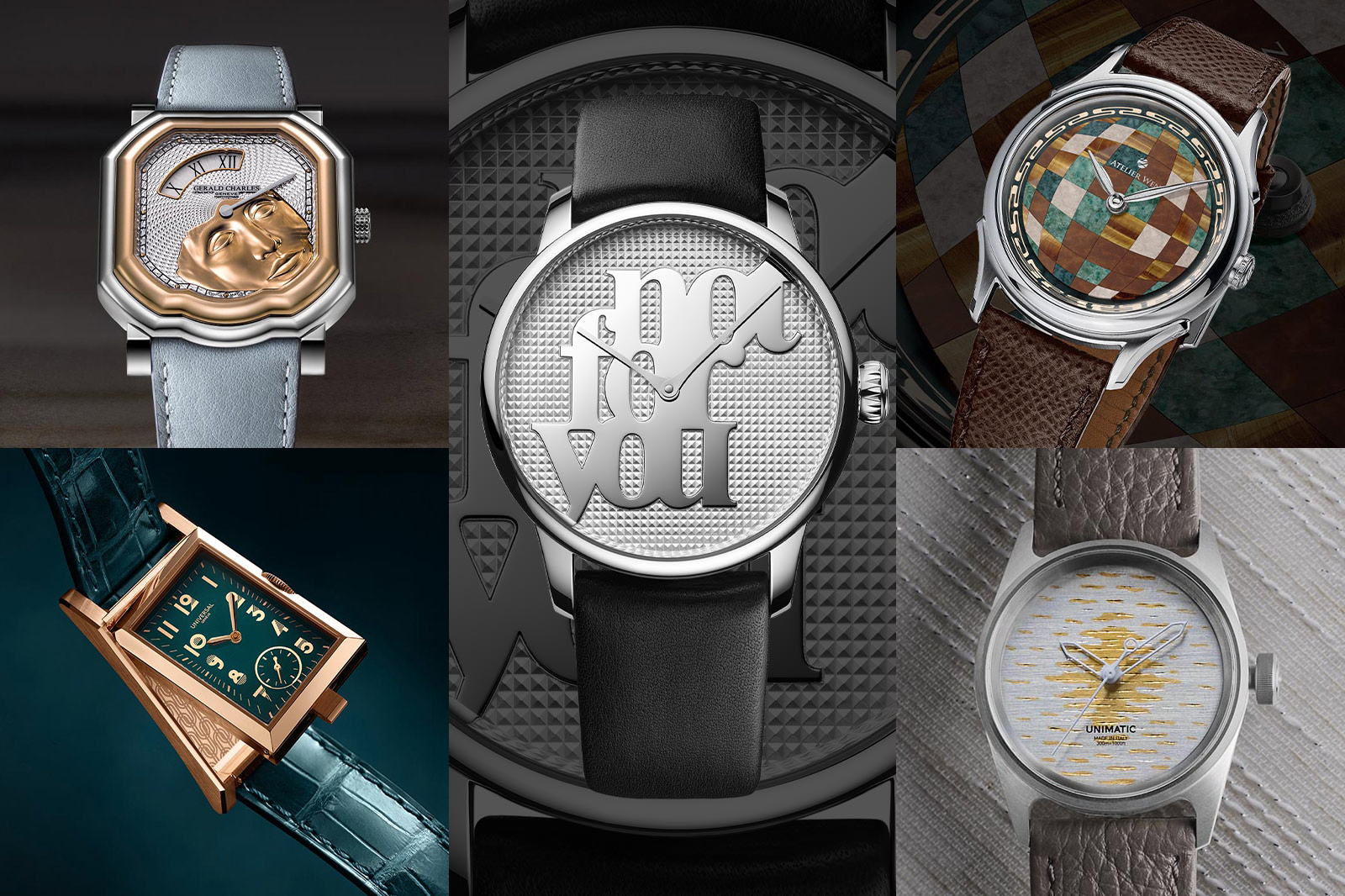
TimeForArt’s 2026 selection brings together 26 unique watches created to support the Swiss Institute’s free art programs. The appeal lies in seeing how different makers respond to the same opportunity: some explore unusual stones or enamel, others alter familiar designs, and still others use the commission to pursue a more experimental direction.
The supplied preview places the sale on December 5 within Phillips’s New York Watch Auction XV. Contributions from houses including Chanel, Hermès, Jaquet Droz, and Zenith illustrate the range, turning a charity auction into a survey of how watchmaking and contemporary art can inform each other. For collectors, the interest goes beyond scarcity to the decisions that make each piece distinct.
Auction Report
Bovet Récital 30: A World of Mechanical Ingenuity Meets a $73,995 Reserve
Yesterday’s Rolex Cellini Dual Time in white gold with a black dial, reference 50529-0007, reached $18,805 but did not meet its reserve.
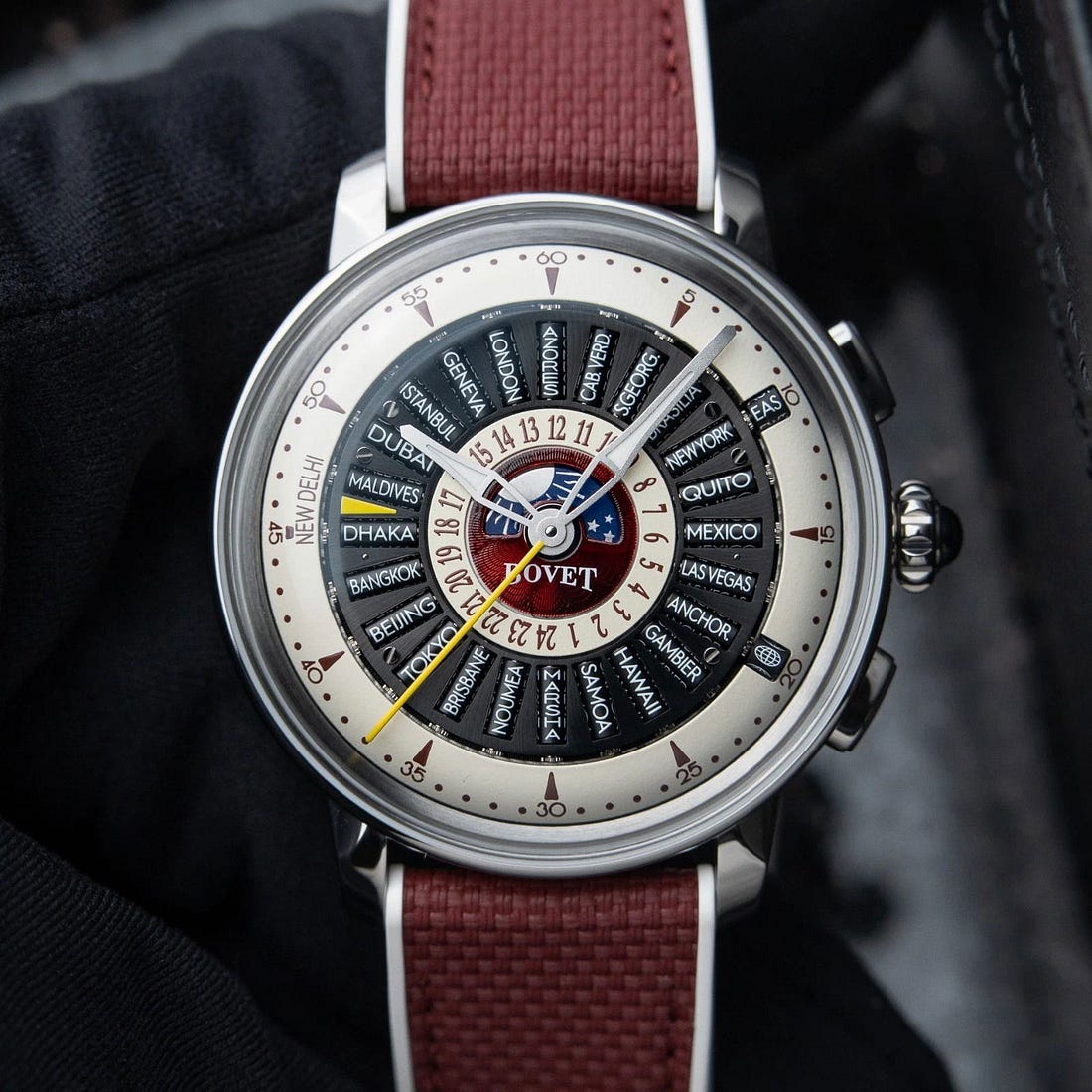
Today’s Bezel auction turns to a much more elaborate interpretation of travel time: the 2026 Bovet Récital 30 Universal World Timer, reference R30-0027, with a reserve of $73,995. The contrast is substantial, moving from Rolex’s restrained second-time-zone display to a watch whose dial makes global timekeeping the main attraction.
Introduced in 2025, the Récital 30 develops the roller-based world-time concept used in Bovet’s Récital 28, placing the system in a more manageable automatic watch. Its city rollers can be adjusted for four seasonal time arrangements, addressing the inconvenient reality that daylight-saving changes do not occur everywhere simultaneously. An additional offset minute hand accommodates New Delhi’s half-hour difference. The mechanism still requires the wearer to select the appropriate seasonal setting; the achievement is providing a coordinated mechanical way to make those changes. The automatic R30-70-001 movement offers a 62-hour power reserve inside a 42mm titanium case measuring approximately 12.9mm thick and 51.3mm from lug to lug.
The titanium model’s published launch price was CHF68,000, equivalent to approximately $81,650 at October 12 reference exchange rates, although that conversion is not a confirmed U.S. retail price for this configuration. A dealer currently advertises an unworn 2026 example of the same R30-0027 reference at $74,920, placing today’s reserve just $925, or approximately 1.2 percent, below that asking price. That advertisement is a comparison point rather than evidence of a completed sale, and it should not be assumed to represent a separate watch without checking its identity. The available evidence therefore puts the reserve close to an observable advertised level; it does not establish that buyers have consistently paid that amount.
The U.S.-located auction watch is described as unworn and includes its box and papers, with the dial, case, bezel, and strap category rated excellent. The listing allows for slight handling marks despite the unworn designation. Its silvered-and-black presentation provides the setting for an unusually purposeful complication, giving a prospective owner something more substantial to discuss than rarity alone. The appeal is clear for a collector drawn to inventive travel watches; whether the price finds agreement is today’s unanswered question. Bidding ends at 5:30 p.m. EDT today, Tuesday, October 13, 2026.
Current bid: $6,200
Losing Time
Today’s Big Losers at Auction on Grailzee
Four watches, four failed sales, and four reminders that an asking price is an expression of hope—not a binding agreement with reality.
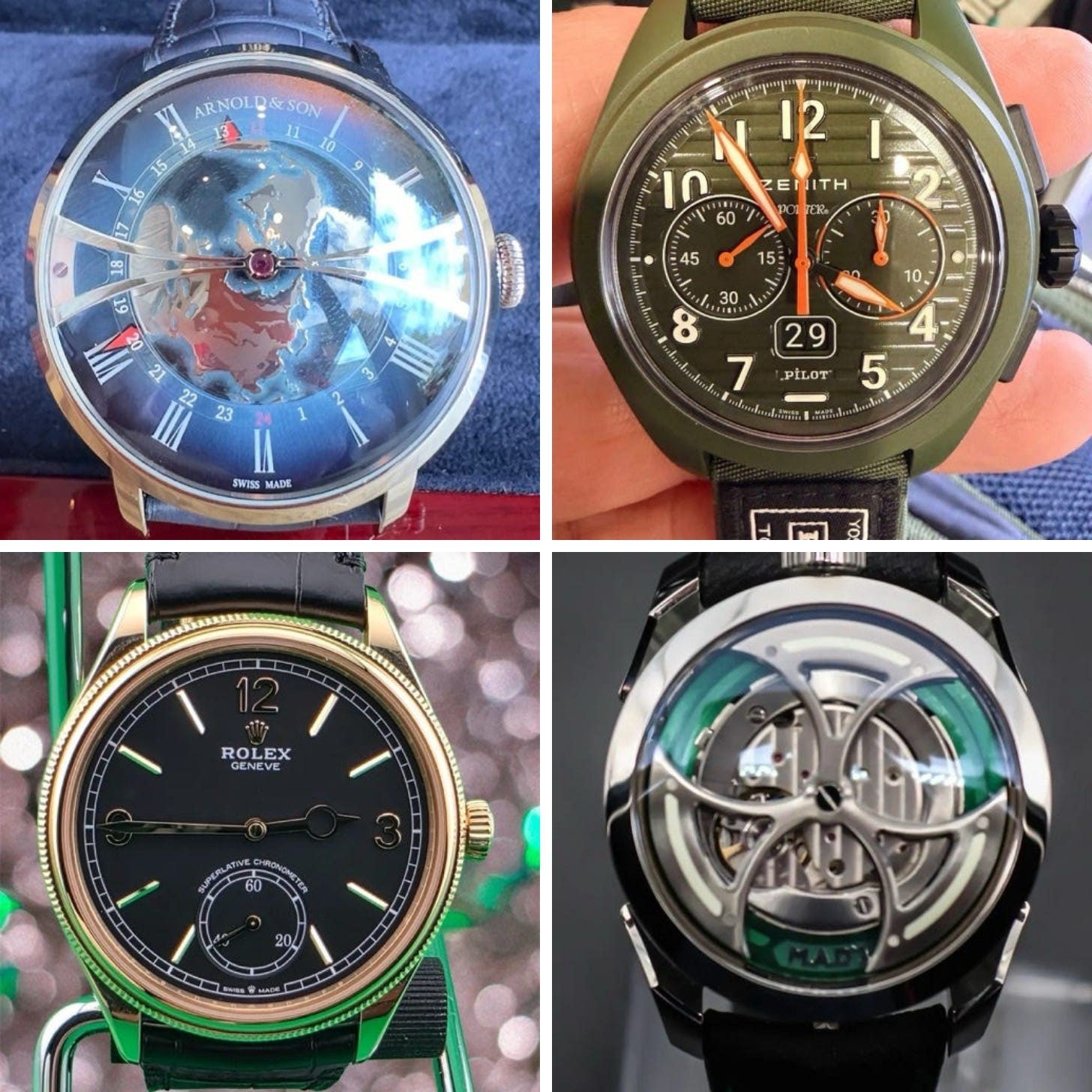
The 2021 Arnold & Son Globetrotter 45MM led the optimism parade. With an asking price of $26,995, bidding reached just $7,700, leaving a $19,295 shortfall—71.5% below ask. The blue-dial world traveler certainly covered some distance, although most of it was between the seller’s expectations and the bidders’ wallets.
The 2026 Zenith Pilot Chronograph Flyback Big Date Porter Limited Edition 42.5MM asked $13,000 and attracted a high bid of $5,200. That’s $7,800 short, or 60% below ask. Green dial, limited edition, flyback chronograph: plenty of selling points, apparently missing the one labeled “at a price bidders will pay.”
The 2025 Rolex 1908 39MM, with its black dial and leather strap, came closest to its target. Its $16,000 bid was $8,500 below the $24,500 ask, a 34.7% miss. That earns it the consolation prize in this lineup, though being the least unsuccessful sale still doesn’t get the watch sold. Even the Rolex name couldn’t persuade bidders to bridge this gap.
The MB&F M.A.D.1 Green 42MM—with no year supplied—carried a $5,999asking price and drew a high bid of $2,650. The resulting $3,349 shortfall put it 55.8% below ask. The design made a statement; the bidding made a rather less flattering counterstatement.
Combined, sellers wanted $70,494, while the final bids totaled $31,550: a $38,944 gap, or 55.2% below the combined asking prices. Three of the four watches failed to attract even half their asking price. The clearest takeaway is that distinctive design, limited-edition status and prestigious branding did not translate into enough bidding support at these expectations. The Rolex had the smallest percentage gap; the Arnold & Son had the largest by a considerable margin. These unsuccessful bids aren’t definitive market valuations, but they are evidence of what this particular audience was willing to offer. Sellers can hold out for a different audience—or reconsider whether their prices are doing more dreaming than selling.
Closing Time
Thank you for spending part of your day with BuyingTime Daily. Whether you are drawn to an almost-empty dial, a miniature enamel landscape, or a mechanism that keeps an eye on the world, take a moment to notice what holds your attention—and why. Enjoy the watches, stay curious about the people who make them, and make time to wear the ones that matter to you.