Majestic Journey Through Royalty’s Clocks and Watches
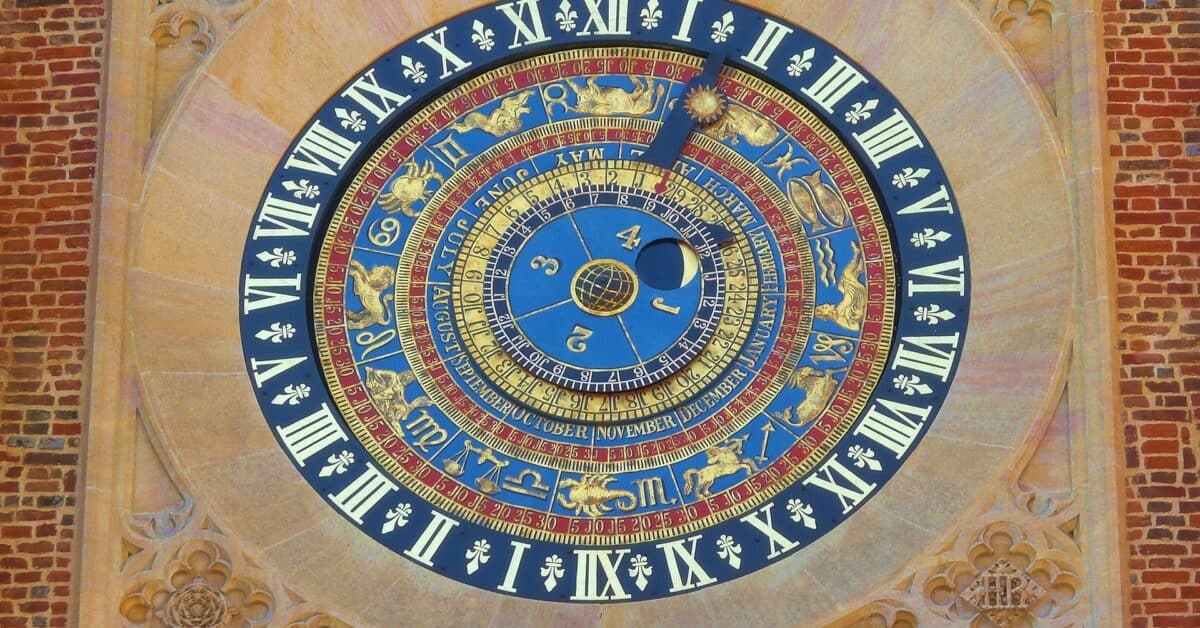
During Henry VIII’s reign, clocks and watches were rare luxuries reserved for royalty and the elite, yet the Tudor court fostered a burgeoning horological industry. Henry actively recruited foreign craftsmen, encouraging the establishment of a vibrant community of clock and watchmakers in London. This patronage led to notable commissions such as the astronomical clock for Hampton Court, created around 1540 by Nicholas Kratzer and Nicholas Oursian, which displayed not only the time but also lunar phases, zodiac positions, and tidal information. The king’s fascination extended to personal timepieces, exemplified by a gold‑encrusted round watch worn around his neck, and to elaborate gifts like the clock‑salt—a dual function table clock and ceremonial salt cellar—presented by foreign dignitaries. The royal collection continued to grow under Elizabeth I, who owned dozens of watches and employed distinguished clockmakers like Bartholomew Newsam. These timepieces served as symbols of status, diplomatic currency, and technological marvels, influencing the wider English aristocracy and laying the groundwork for England’s own clockmaking tradition. Surviving examples, such as the Hampton Court astronomical clock and various portrait‑depicted watches, illustrate the blend of artistry, scientific curiosity, and political power that defined early modern horology in the Tudor era.
Buying Time Analysis: This story highlights how Henry VIII’s passion for clocks and watches catalyzed the early development of horology in England, illustrating the intersection of royal patronage, technological innovation, and cultural prestige that shaped the evolution of time‑keeping.