NYU Stern professor believes "brand building, democratisation, and retail experience" are key bottlenecks for luxury watches
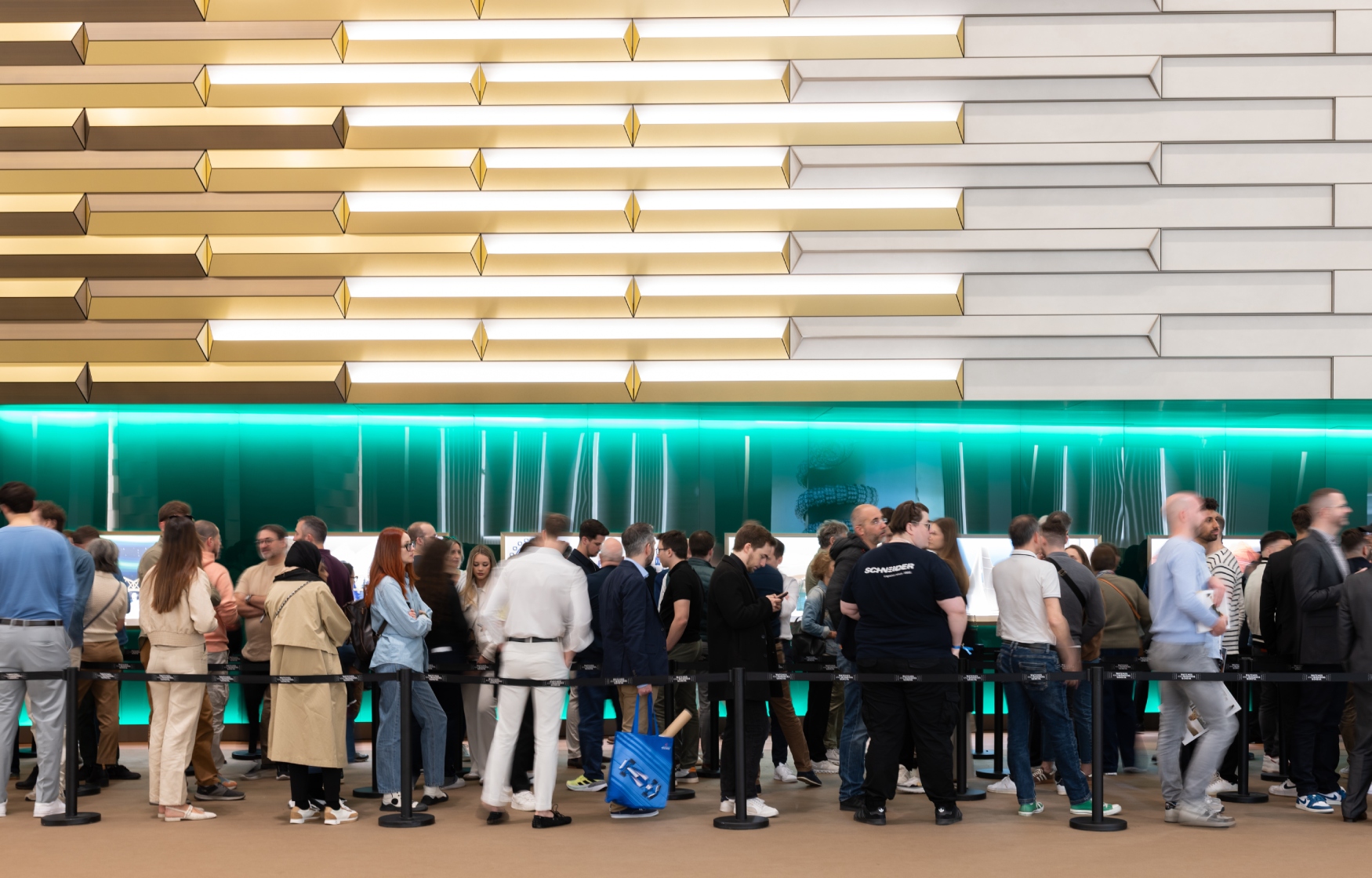
The luxury watch industry is facing challenges related to brand building, democratisation, and retail experience, particularly in engaging younger consumers from the Millennial and Gen Z demographics. Traditional luxury marketing imagery is becoming outdated, necessitating a shift in how brands connect with a new generation of watch enthusiasts who value craftsmanship and authenticity over exclusivity. The conversation surrounding horology has expanded with the rise of digital platforms, highlighting the need for luxury brands to adapt their strategies to meet the interests and values of these younger consumers. Despite the intrigue surrounding the craftsmanship of luxury watches, many young buyers are financially constrained, with a significant portion unable to spend beyond $1,500 to $2,000 on a timepiece. This has led to an increased interest in the secondary market for watch purchases. While some brands are exploring sustainability as a selling point, it is not seen as a primary motivator for luxury purchases. The industry must modernise its approach to remain relevant and accessible while maintaining its commitment to quality craftsmanship and heritage, ensuring it can attract and retain this enthusiastic younger audience.