Patek Philippe’s Cloisonné Art
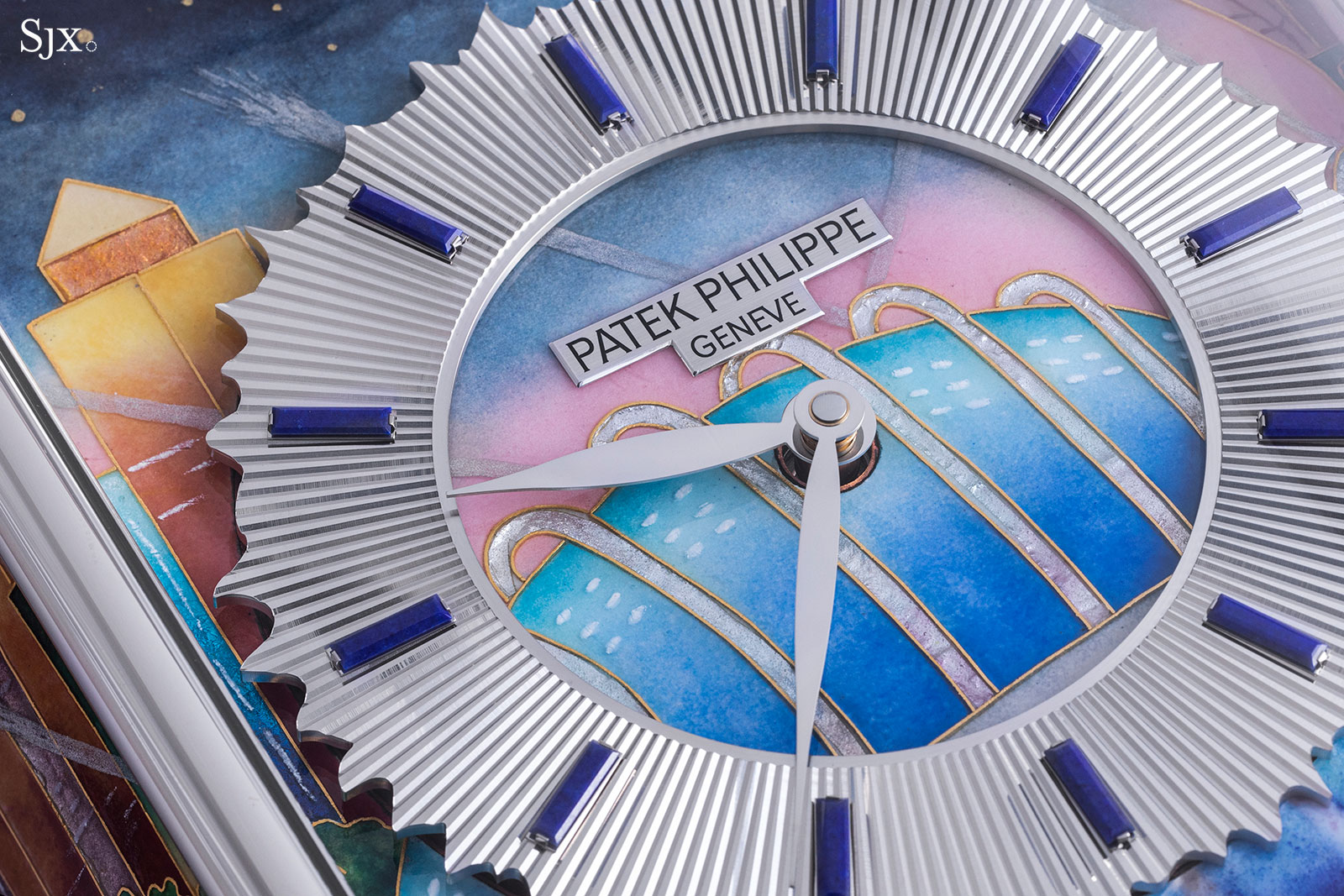
Patek Philippe has been a major patron of cloisonné enamel for almost a century, commissioning dials that kept the craft alive when demand was low. The brand’s early collaborations with artists such as Louis Cottier produced map‑based world‑time watches, while later pieces featured miniature paintings and intricate landscapes. Technical details of the process—gold wire partitions, multiple firings at around 800 °C, and the combination of cloisonné with champlevé—illustrate the high level of skill required, and the shift from toxic enamel formulations to safer materials has driven continual experimentation. The decline of mechanical watchmaking in the quartz era threatened the art, but Patek Philippe’s support of enamel work for clocks and limited‑edition watches preserved the expertise of many women artisans. In recent decades the brand has revived the tradition, highlighting signed dials by contemporary masters such as Anita Porchet and reintroducing map motifs in modern collections. These efforts have cemented cloisonné enamel as both a technical marvel and a collectible art form within the world of haute horology.
Buying Time Analysis: This story highlights how Patek Philippe’s patronage preserved and revived the art of cloisonné enamel, demonstrating the vital role of brand support in sustaining niche craftsmanship and enriching horological heritage.