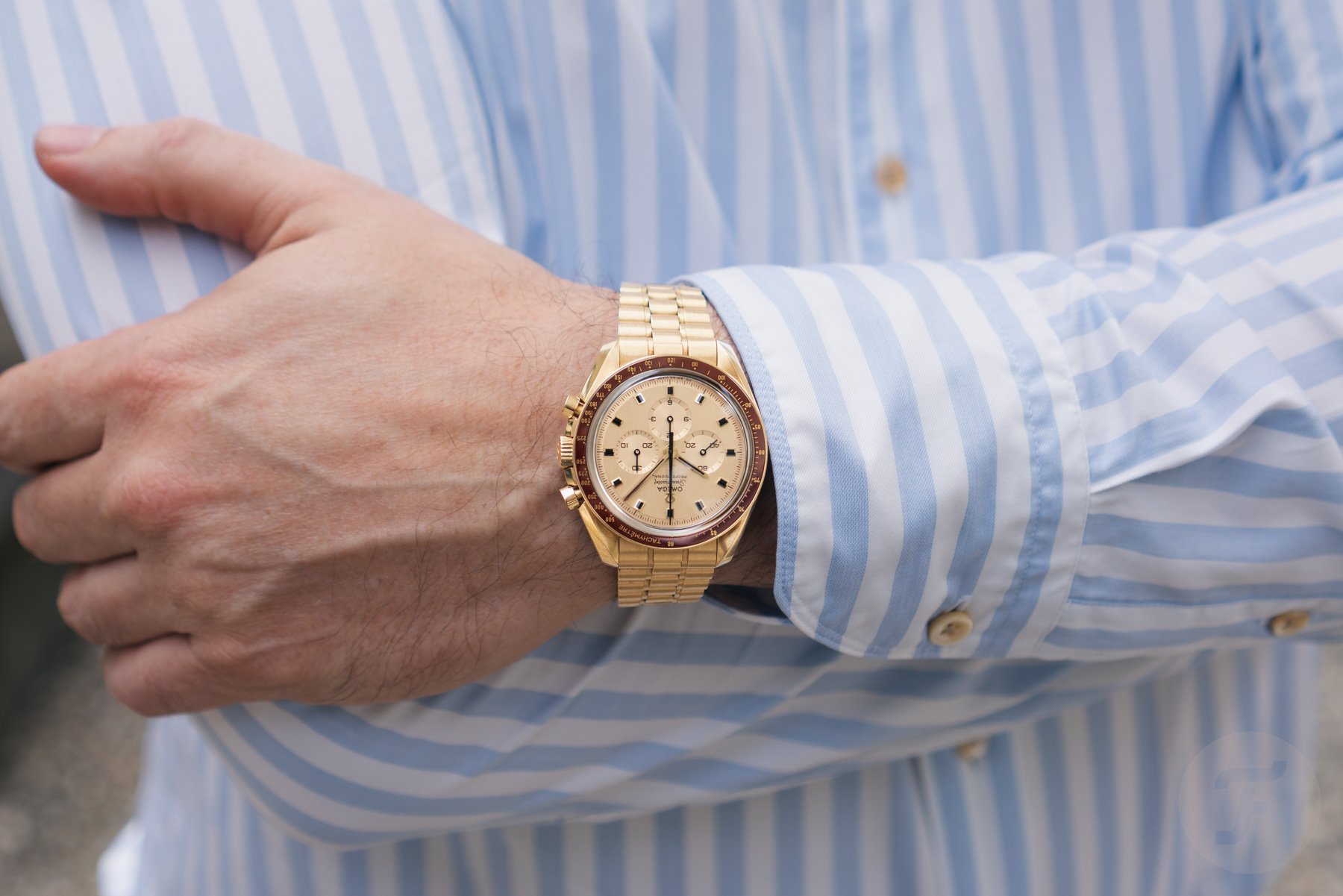
Power Reserve Indicator: Small Complications
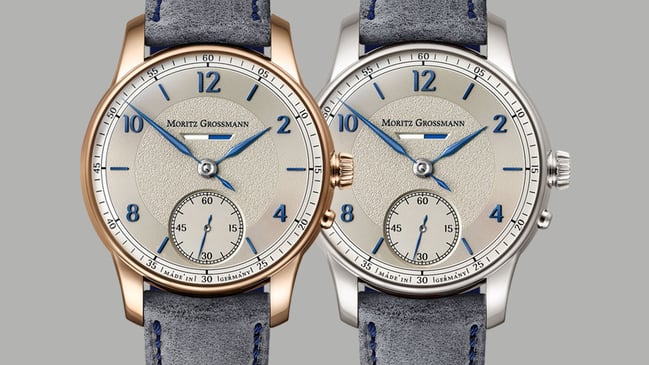
Power reserve indicators reveal how much running time remains in a mechanical watch after it has been fully wound, helping wearers avoid unexpected stops. Historically used in precision timepieces such as marine chronometers and railroad watches, the feature became popular with Jaeger‑LeCoultre’s Powermatic in 1948, which introduced a visible gauge for mainspring tension. Today the complication appears in various forms—including additional hands, linear bars, nonlinear scales, and hidden displays—across both hand‑wound and automatic movements, often serving as a distinctive design element. Modern implementations range from traditional hand‑driven scales on brands like A. Lange & Söhne and Oris to sleek linear windows on Moritz Grossmann and Panerai, while some watches place the indicator on the movement’s back, as seen on Grand Seiko models. Even entry‑level pieces priced around $400 can feature power reserve gauges, demonstrating the widespread appeal of this functional and aesthetic complication.
Buying Time Analysis: The article highlights the significance of power reserve indicators as both functional tools that inform wearers about a watch’s remaining energy and as design elements that reflect the evolution and craftsmanship of mechanical horology.