Retailers Embrace Larger Flagship Stores
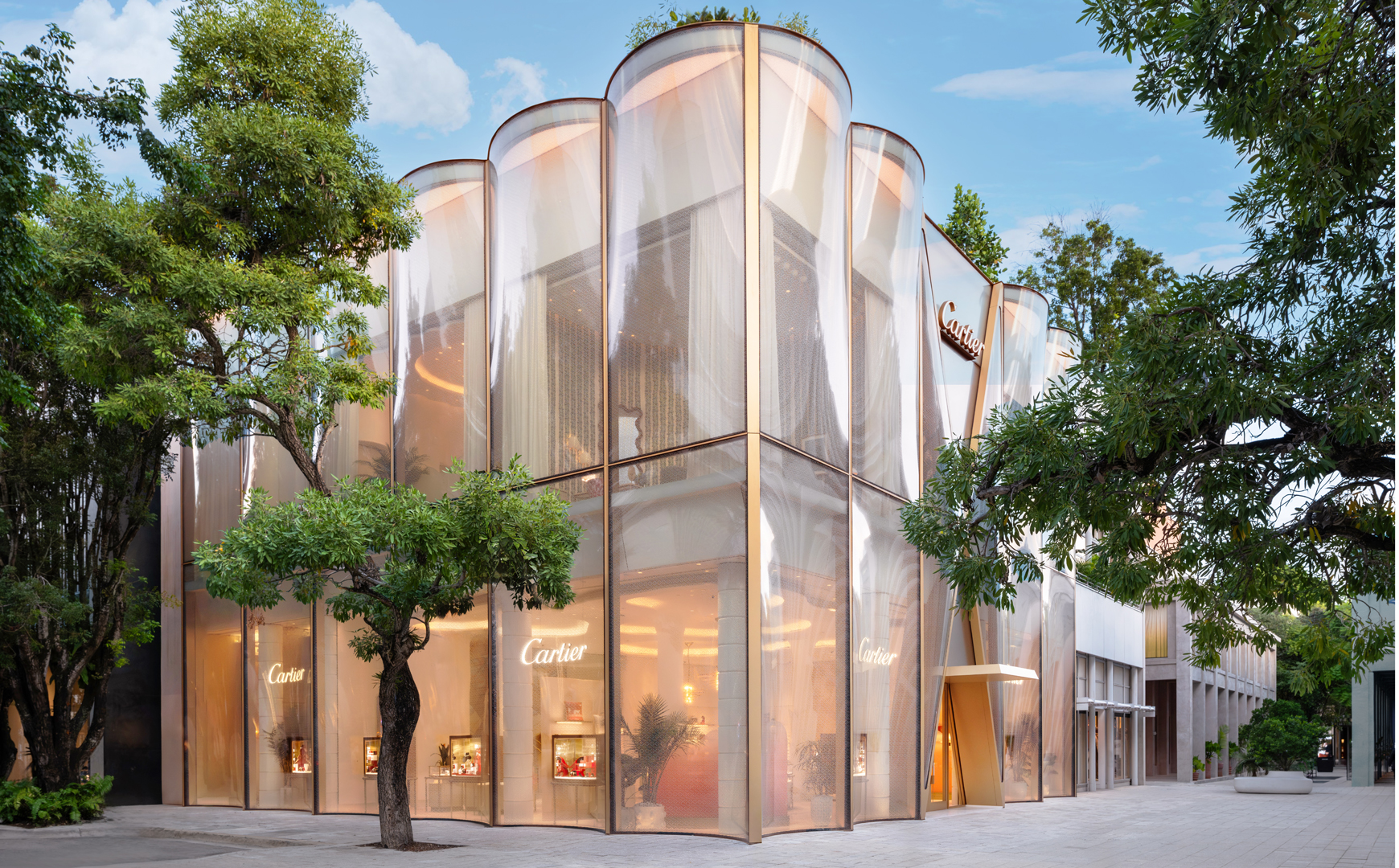
Retail watch brands are shifting their focus from numerous small monobrand boutiques to fewer, larger flagship stores located in affluent global cities such as London, Paris, New York, Los Angeles, Dubai, Singapore, and Tokyo. In the UK, the number of monobrand openings peaked around 2022 and has since declined sharply, with 2025 seeing a significant net loss of stores. Brands like Watches of Switzerland have reduced their overall showroom count, while still expanding in the United States, where new flagship locations are opening in high‑wealth areas like Miami, Palm Beach, Beverly Hills, Dallas, and Houston. This trend reflects a strategic move to allocate investment toward locations that attract a concentrated pool of ultra‑high‑net‑worth clients who travel internationally and prefer premium, personalized shopping experiences. The contraction of smaller boutiques is also evident in markets such as China, where luxury retailers are closing stores, while expansion continues in America. Larger flagships allow brands to provide a “royal treatment” to a smaller, wealthier clientele, emphasizing high‑price sales and exclusive service. Meanwhile, family‑owned jewelers and multibrand retailers adapt by focusing on local market knowledge and personalized relationships, often consolidating monobrand spaces into larger multibrand showrooms. This retail Darwinism is reshaping the watch industry, favoring fewer but more impactful flagship locations that cater to the most lucrative customers.
Buying Time Analysis: This story is important because it highlights a strategic shift in the luxury watch market toward fewer, larger flagship stores that concentrate investment on ultra‑high‑net‑worth clients, reshaping retail geography and signaling a broader industry move toward “retail Darwinism.”