Ruth Belville And The Business Of Time
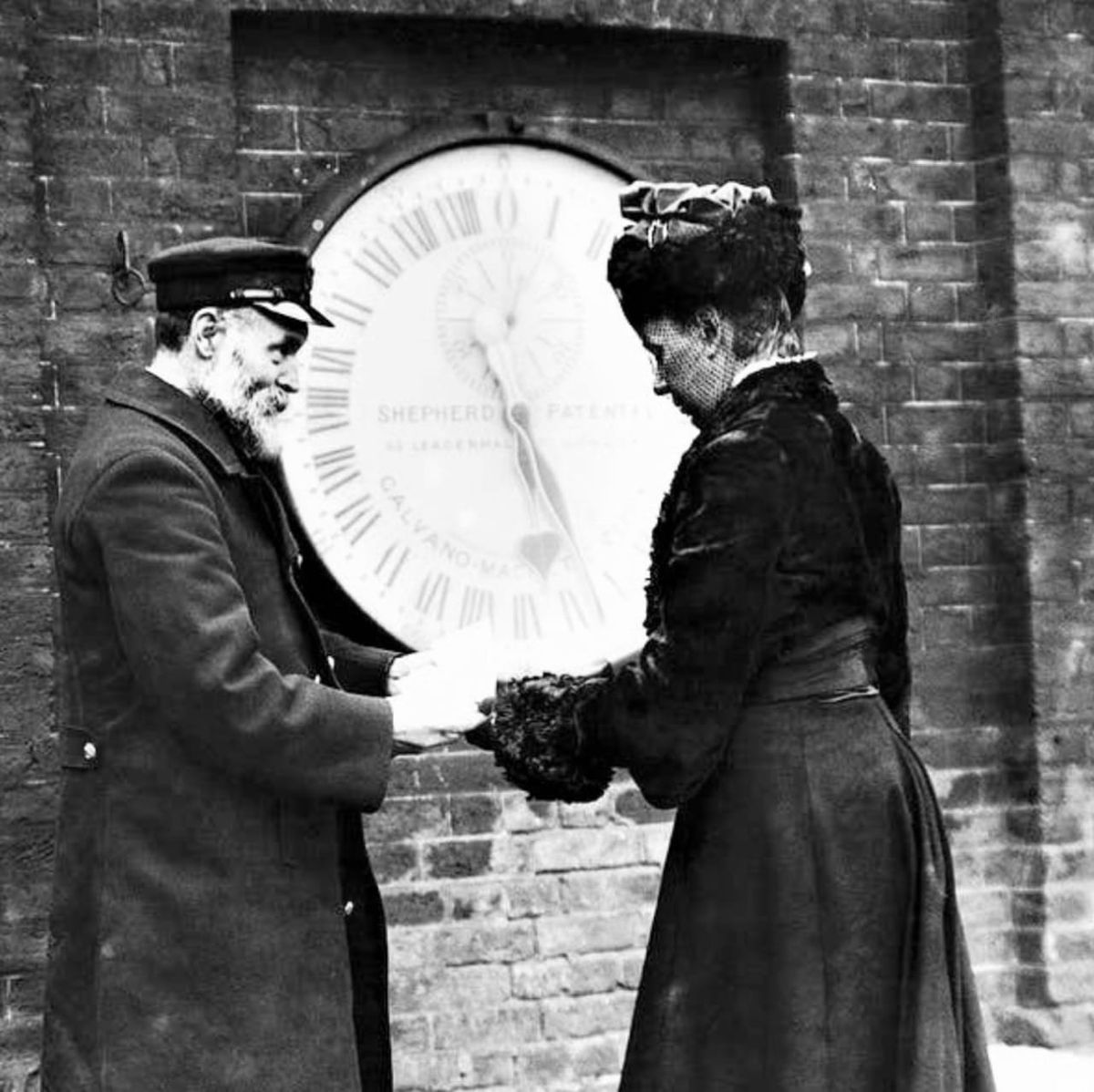
Ruth Belville, a significant figure in horology, served as a reliable source of accurate time in Britain from the late 19th century until her retirement in 1940. As the third steward of the Arnold Time service established by her father, she used a pocket chronometer to synchronize clocks for clients such as banks and railway offices. Despite the rise of telegraph signals and the BBC broadcasting time, Belville maintained her business through personal reliability and the tangible nature of her watch, which offered certainty in an increasingly abstract technological landscape. However, as advancements in timekeeping made her methods seem obsolete, Belville continued her rounds across London for nearly five decades, demonstrating unwavering dedication to her craft. She retired at the age of eighty-five, not due to a failure of her watch but because the changing times made her service increasingly unnecessary. Following her retirement, the Arnold chronometer was preserved in the Clockmakers’ Museum, symbolizing a legacy of precision and personal connection to timekeeping that defied the impersonal nature of modern technology.