Seiko Astron GPS Solar: A Brief History and Top Models Reviewed
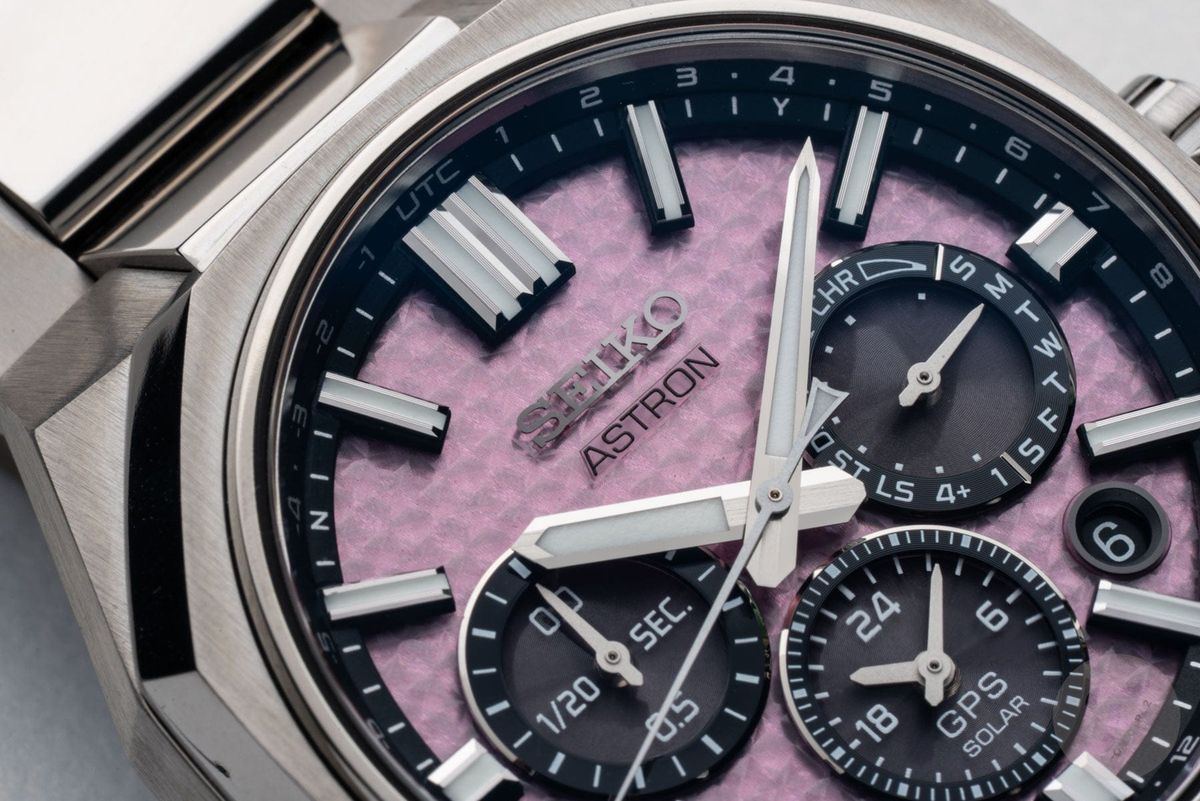
The Seiko Astron GPS Solar series began fourteen years ago as the world’s first wristwatch that automatically sets the correct time using satellite signals, powered entirely by light. Early models featured large 47 × 16 mm cases to accommodate the necessary antenna, but over time the technology became more compact, allowing smaller, lighter designs while maintaining high accuracy and eliminating the need for battery changes. The evolution of movements progressed from the 7X series with a ring antenna to the 8X, 5X, and ultra‑compact 3X series, each iteration improving antenna design, case size, energy efficiency, and functionality such as chronographs, dual‑time displays, and advanced GPS capabilities. Recent releases showcase refined aesthetics and advanced engineering, including limited‑edition titanium cases, high‑hard‑coated exteriors, and the latest 5X63 caliber that offers unprecedented precision and power management. Models like the SAST001, the Novak Djokovic chronograph, the SSH063, and the HAB006 illustrate the brand’s commitment to blending cutting‑edge solar‑GPS technology with diverse styles, from robust sport watches to sleek travel pieces. These watches not only adjust automatically to local time zones worldwide but also provide features like daylight‑saving adjustments, airplane mode, and long‑term accuracy within seconds over centuries, solidifying the Astron GPS Solar as a flagship line in modern horology.
Buying Time Analysis: This story highlights the pivotal evolution of Seiko’s Astron GPS Solar, showcasing how advancements in solar-powered, satellite-synchronized technology have transformed wristwatches into precise, self‑adjusting timepieces, marking a significant milestone in modern horology.