Steel, Fire, and Microns: Horological Tools of the Trade Through...
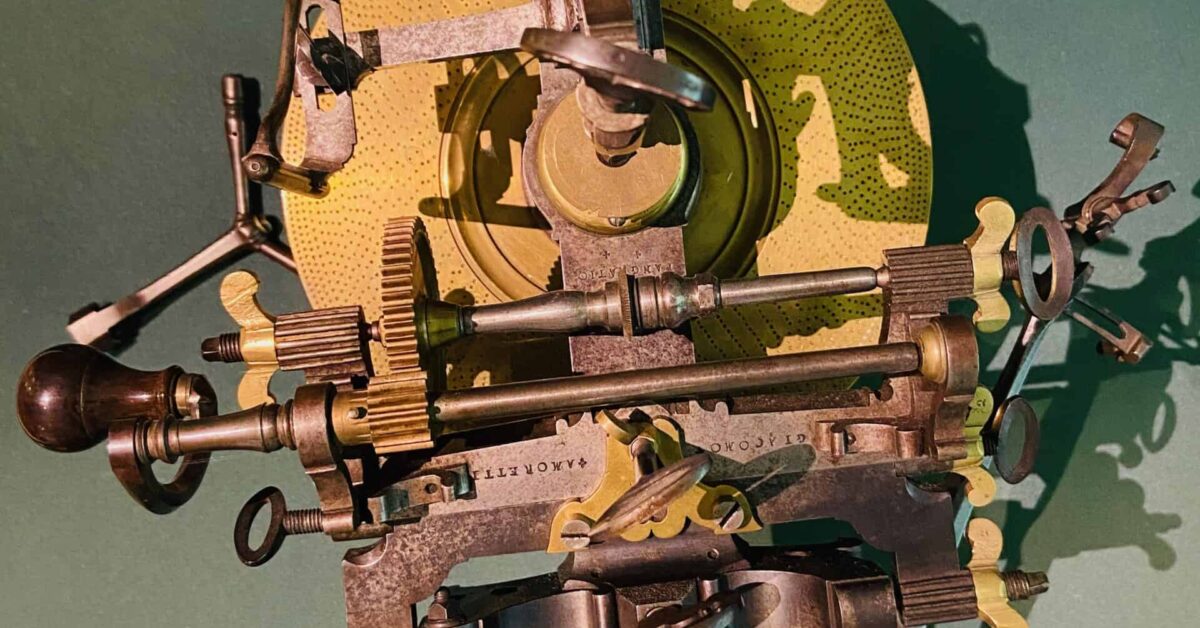
The craft of horology, which encompasses the art of clock and watchmaking, has evolved significantly over the centuries, reflecting advancements in technology and precision. From the heavy, elemental tools used by medieval blacksmiths to create monumental clocks, to the specialized instruments of the Renaissance that allowed for finer craftsmanship, the journey of horological tools mirrors humanity's own progression. As timekeeping shifted from grand towers to smaller devices, tools adapted accordingly, introducing innovations like spring-driven mechanisms and specialized lathes that enabled watchmakers to achieve greater accuracy. The Industrial Revolution brought about a paradigm shift with the introduction of interchangeable parts, leading to the adoption of machines in horology, while hand tools remained essential for finishing work. The 20th century saw the integration of electric motors and diagnostics, revolutionizing maintenance and accuracy. Today, high horology operates with extreme precision, utilizing CNC machines and lasers, yet many craftsmen still value traditional tools for their tactile feedback. Ultimately, horological tools serve not only as instruments for measuring time but also as historical artifacts that embody the dedication and artistry of the trade.