The ABCs of Time: Everything About The Springs Inside a Mechanical Watch
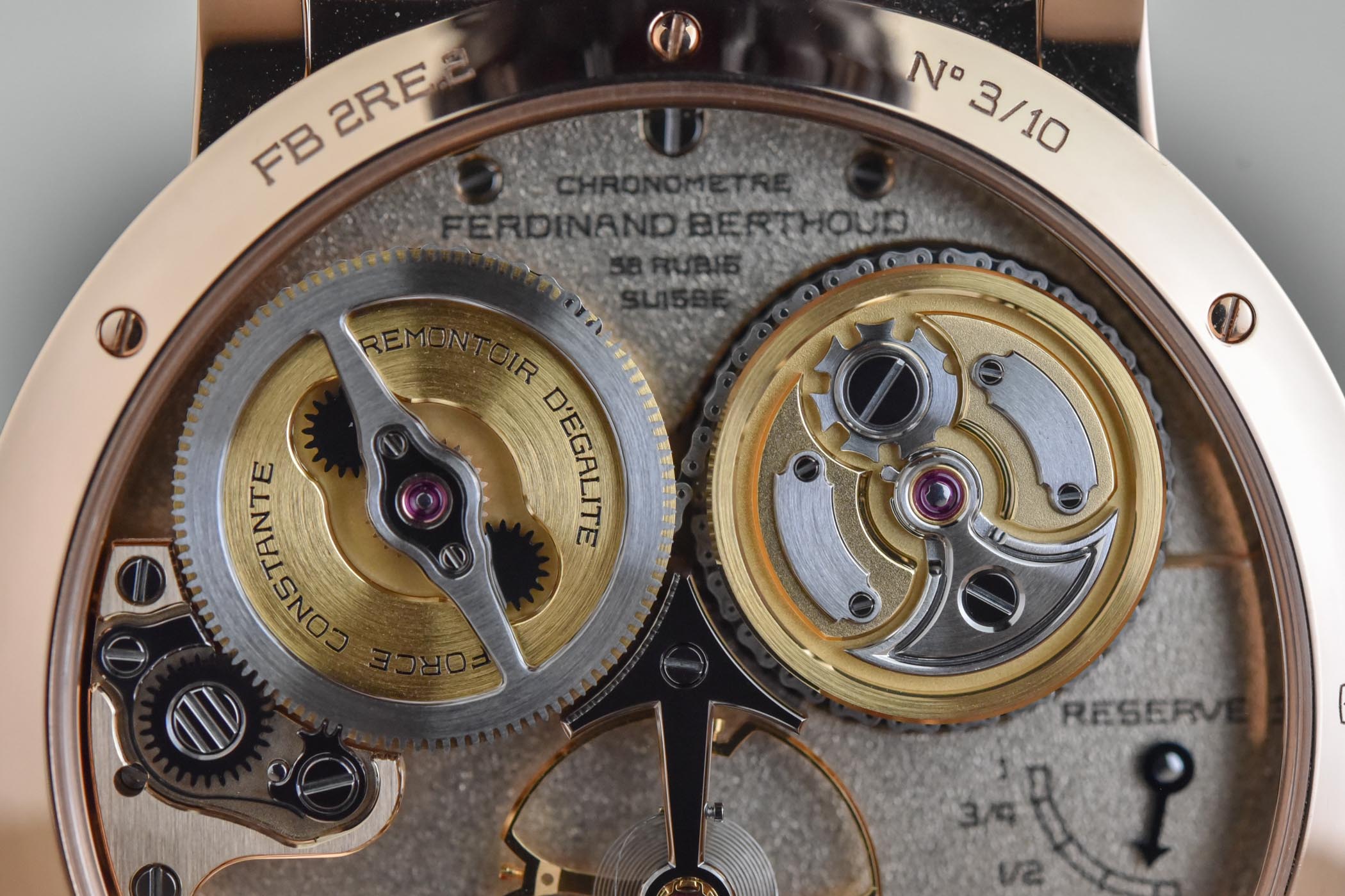
Mechanical watches rely on various springs to function effectively, with two primary springs: the mainspring, which serves as the power source, and the hairspring, which regulates timekeeping accuracy. The mainspring unwinds within a barrel, transmitting energy through the gear train, while modern materials like Nivaflex enhance its durability and effectiveness. Historically, the introduction of the mainspring allowed for smaller and portable clocks, culminating in the development of pocket watches. Other mechanisms, such as the fusee and chain, were once used to maintain consistent torque but are now largely obsolete due to advancements in engineering. In addition to the mainspring and hairspring, several other specialized springs play crucial roles in mechanical movements. These include click springs that secure the mainspring, jumper springs for date mechanisms, and shock absorber springs that protect the balance wheel from damage. As complications like chronographs and repeaters are introduced, the number of springs increases significantly, highlighting the intricate design of modern mechanical watches. The integration of these springs is essential for maintaining the functionality and precision of a watch, underscoring their importance in horology.