The ABCs of Time: History of Chinese Watchmaking
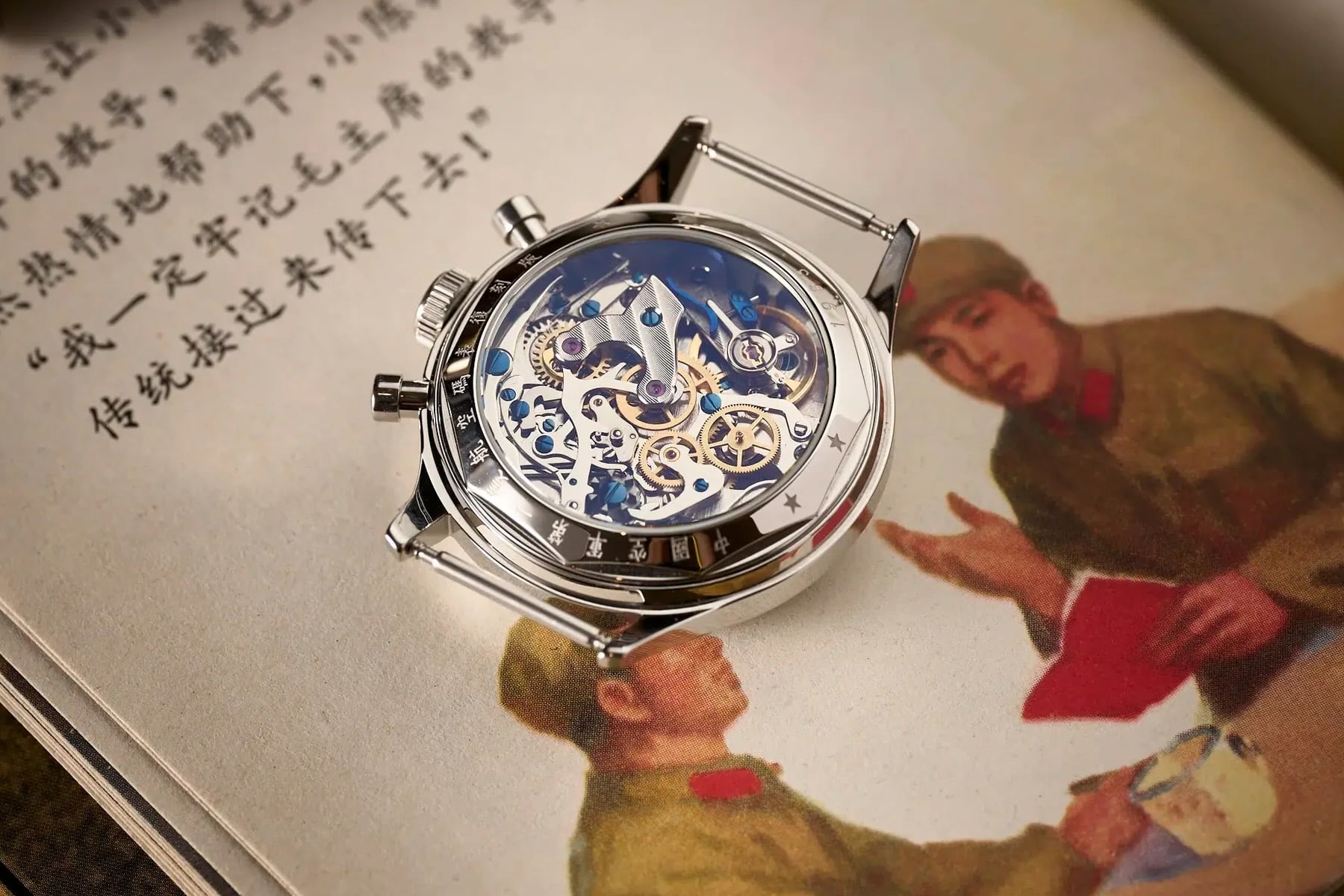
Chinese watchmaking began late, with the first domestic wristwatch appearing in 1955, but quickly expanded to become the world’s largest exporter, now accounting for over 30% of global production. Early efforts relied on reverse‑engineered Swiss movements such as the WuXing and Shanghai A581, and government‑driven consolidation in the 1960s created the unified Tongji calibre that dominated the market for decades. Despite limited resources, factories like Tianjin, Shanghai, and Beijing produced a range of mechanical, electric, and quartz movements, and projects such as the military chronograph Project 304 showcased advanced engineering. By the 2000s the industry faced a crisis due to the quartz boom and market liberalisation, but it recovered, with brands such as Sea‑Gull, Peacock, and Hangzhou emerging as major movement manufacturers and offering increasingly sophisticated complications at affordable prices. In recent years a vibrant independent scene has arisen, featuring artisans and micro‑brands that create high‑horology pieces, including bi‑axis and triple‑axis tourbillons, minute repeaters, and unique escapements. Companies like Fam Al Hut, Qin Gan, Logan Kuan Rao, and Atelier Wen blend Chinese craftsmanship with European finishing, while larger manufacturers continue to push volume and innovation, supplying a significant share of the world’s mechanical movements. This evolution demonstrates how Chinese watchmaking has transitioned from copycat origins to a diverse ecosystem capable of producing both mass‑market and haute‑horology timepieces.
Buying Time Analysis: This story highlights how China transformed from a latecomer to a dominant force in watchmaking, democratizing high‑end complications like tourbillons and reshaping the global industry.