The ABCs of Time: History of German Watchmaking
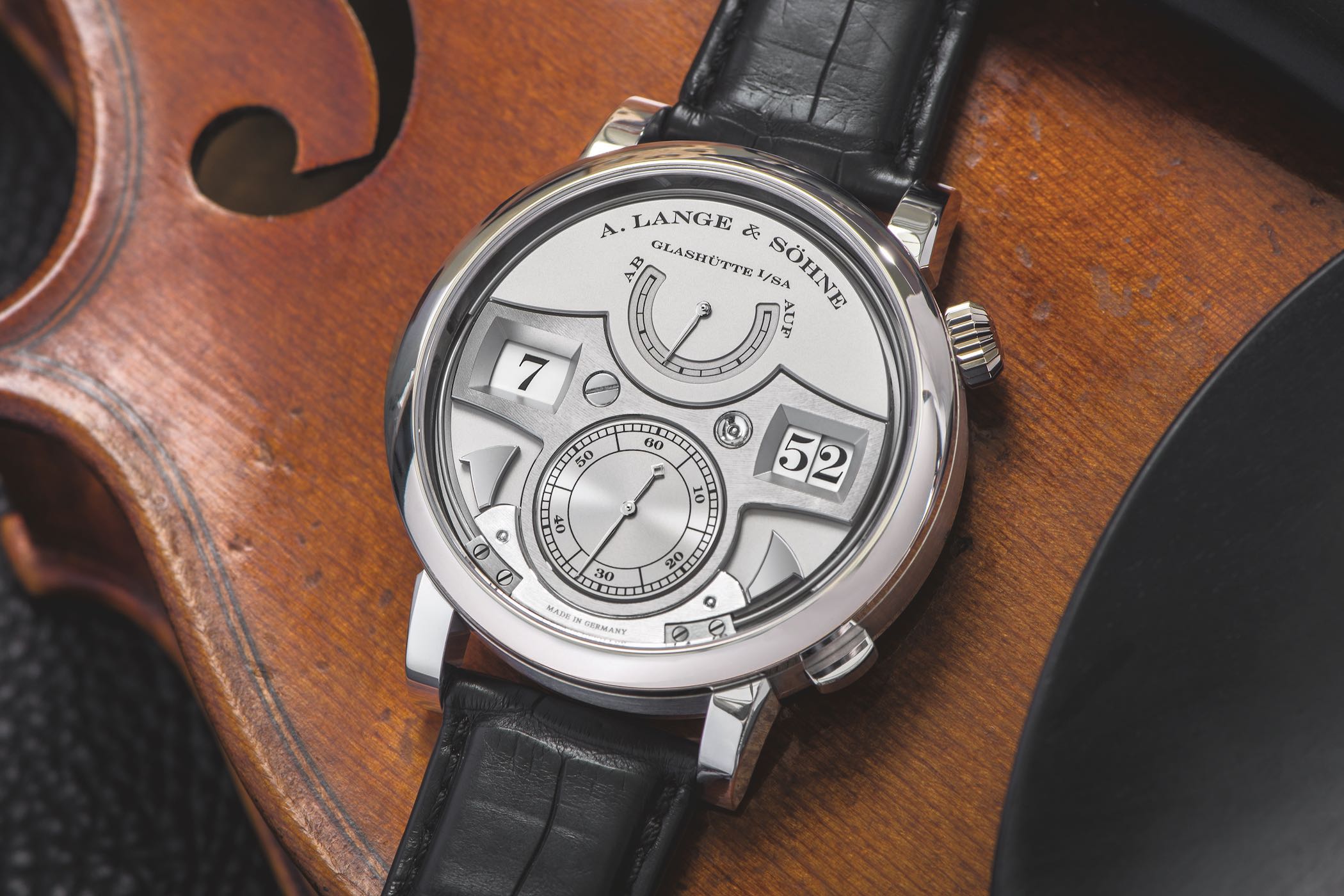
German watchmaking began in the early 16th century when locksmith‑clockmaker Peter Henlein of Nuremberg created the first pocket‑size timepieces, known as Nuremberg Eggs. These early portable watches used mainsprings and verge escapements, but suffered from poor accuracy until the balance‑spring was introduced in the late‑1600s. The craft spread to other regions, with the Black Forest developing wooden‑beam clocks and later cuckoo clocks, while Pforzheim emerged as a major centre in the 18th century, establishing the world’s first watch‑making vocational school. Glashütte rose in Saxony in the mid‑19th century, becoming the modern heart of German horology and home to brands such as A. Lange & Söhne, Moritz Grossmann, Glashütte Original and NOMOS, each preserving traditions like the three‑quarter plate and Glashütte ribbing. During the World Wars German manufacturers were pressed into military service, producing B‑Uhr pilot watches, Fliegerchronographs and other specialised timepieces for the Luftwaffe and navy. Post‑war devastation destroyed many factories, but the 1990s saw a revival of historic brands and the rise of new independent makers. Today German watchmaking balances high‑end luxury—exemplified by A. Lange & Söhne’s complex, hand‑finished pieces—with innovative, more affordable lines from NOMOS and other firms, while retaining a reputation for precision, engineering excellence and distinctive design.
Buying Time Analysis: The story traces Germany’s pivotal role in pioneering portable watchmaking—from Peter Henlein’s 16th‑century Nuremberg Eggs to modern luxury brands—highlighting how technical innovations, regional hubs, and wartime pressures shaped a heritage that still defines high‑end horology today.