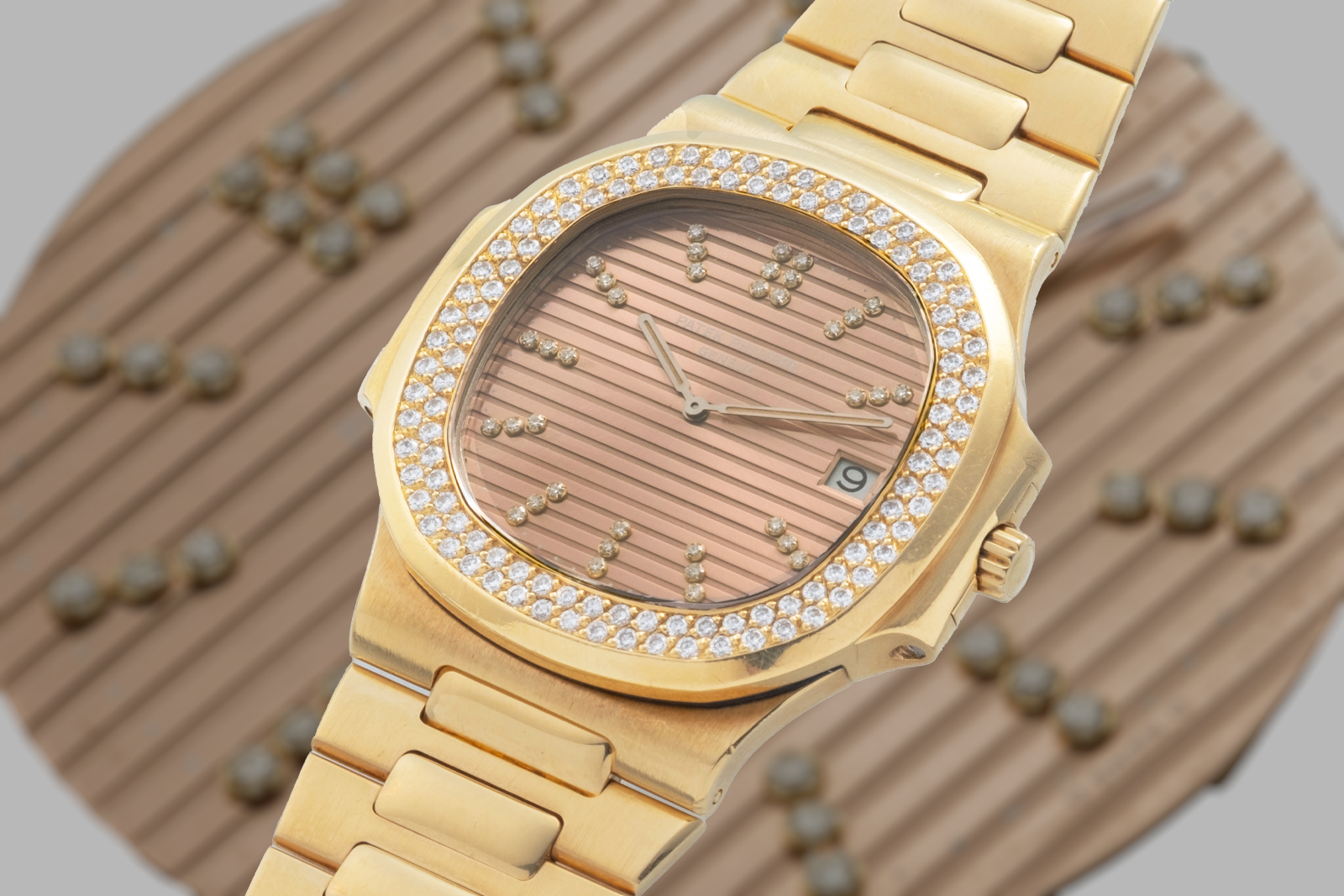
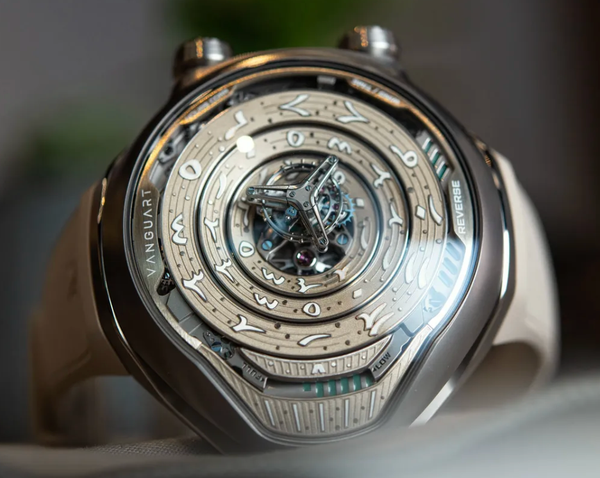
The ABCs of Time: How Watch Dials Are Illuminated?
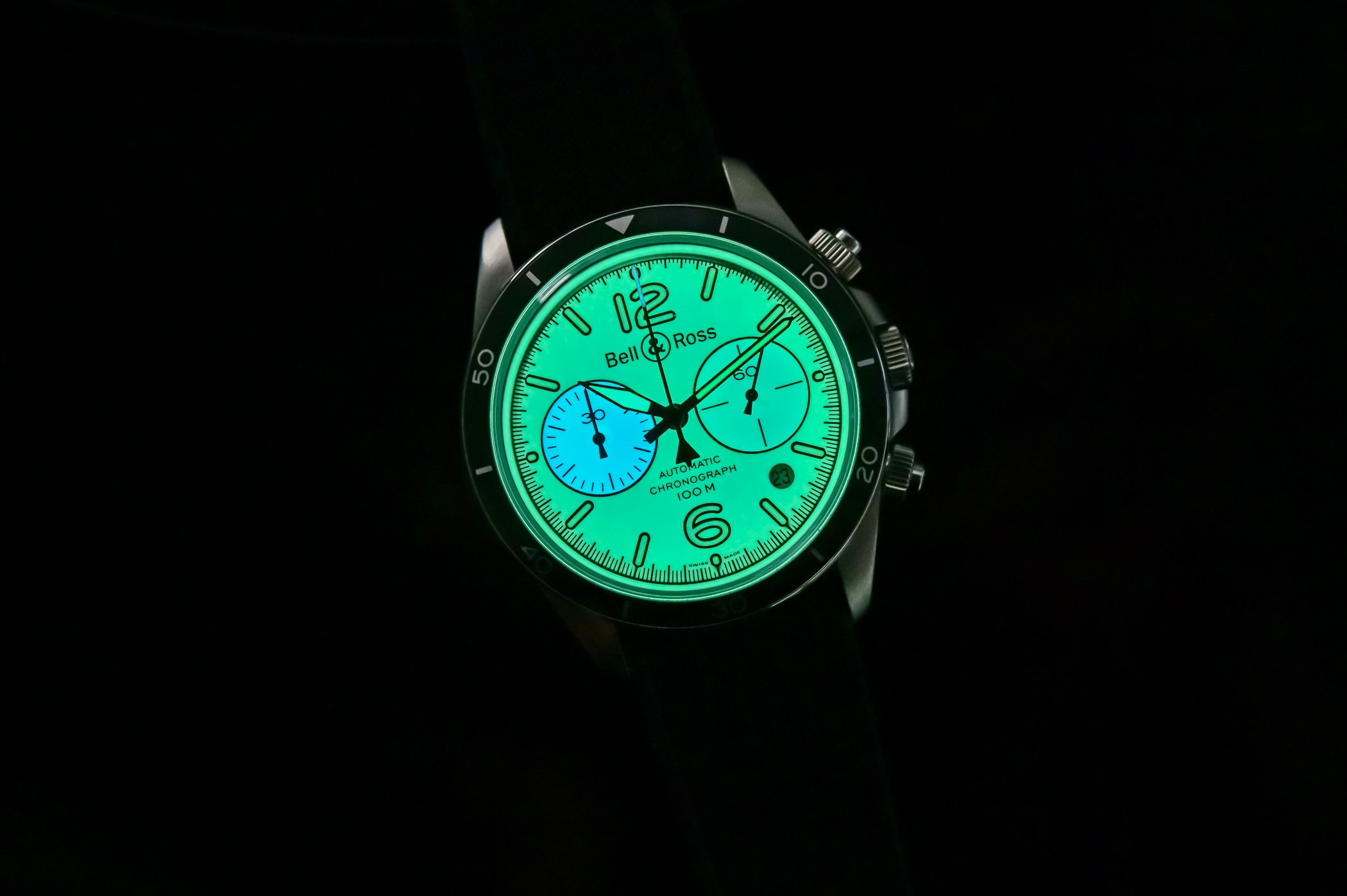
The evolution of watch dial luminescence has a rich history, beginning with the discovery of radium in 1898, which was used to create glowing dials by mixing it with zinc sulfide. This innovation allowed for visibility in the dark, gaining significant popularity during World War I for military trench watches. However, the dangers of radium exposure became evident, particularly for women known as the "Radium Girls," who faced severe health issues due to their work painting watch dials. This led to the eventual banning of radium in the late 1960s, paving the way for safer alternatives, such as tritium and later, non-radioactive luminescent materials like LumiNova and Super-LumiNova. In modern watchmaking, luminescence remains a crucial feature, enhancing the functionality and aesthetic value of timepieces. Tritium tubes and Super-LumiNova are now the primary standards in the industry, with brands also developing proprietary luminescent technologies to improve visibility and durability. The advancements in luminescence not only cater to collectors and enthusiasts but also serve professionals, such as divers and pilots, who rely on legibility in low-light conditions. Despite the technological advancements in the watch industry, the appeal of mechanical watches and their luminous capabilities continues to resonate with consumers, blending tradition with innovation.