The ABCs of Time: Modern Alternatives to the Lever Escapement
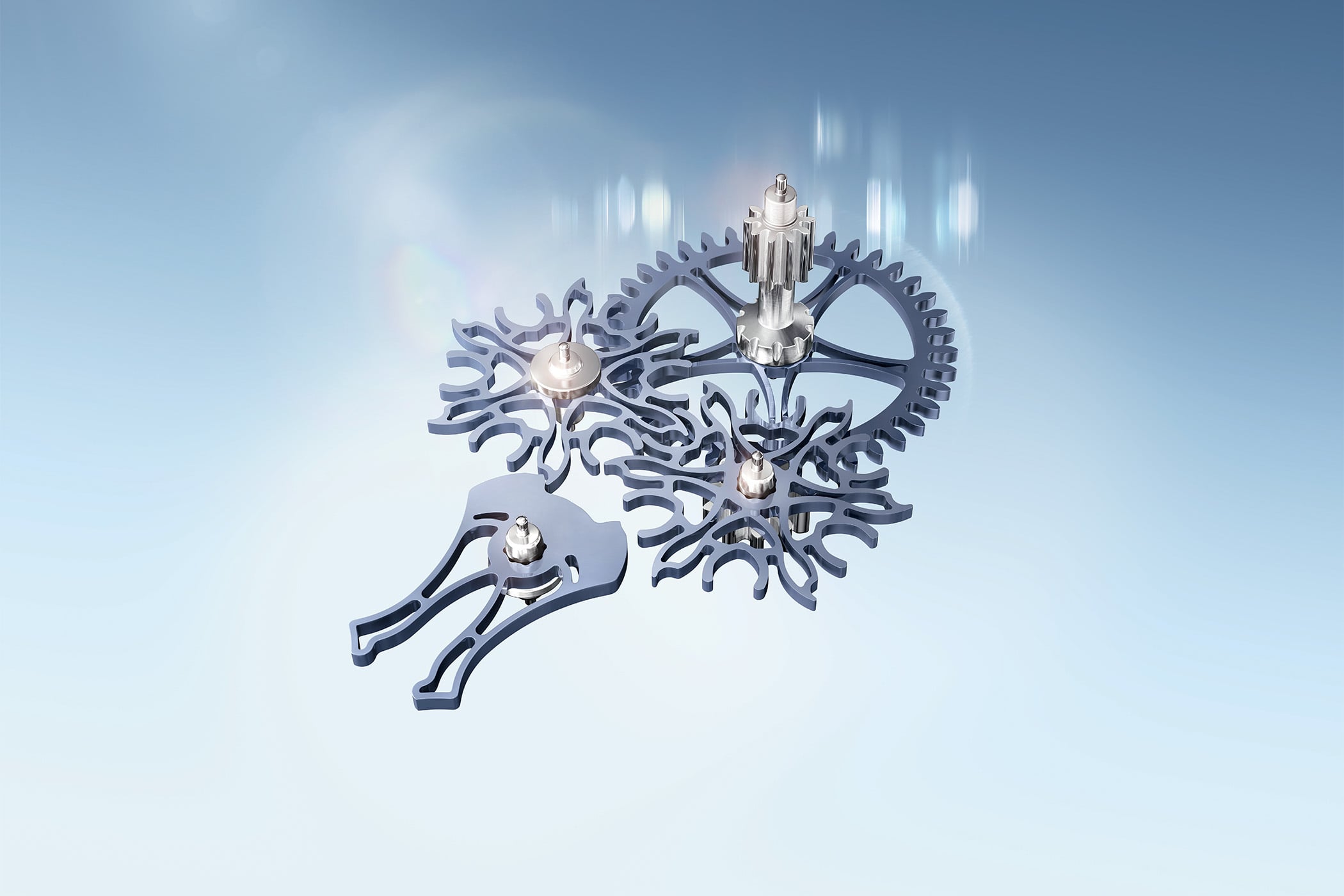
Modern watchmaking is witnessing a shift away from the traditional lever escapement toward a variety of innovative designs that improve efficiency, reduce friction, and often eliminate the need for lubrication. Silicon has become a pivotal material, enabling the creation of lightweight, anti‑magnetic components such as escape wheels, levers, and hairsprings, which dramatically increase energy transmission and durability. Notable examples include the co‑axial escapement introduced by George Daniels and mass‑produced by Omega, the Dynapulse escapement used by Rolex, and the dual‑impulse systems of Grand Seiko and Ulysse Nardin, all of which separate locking and impulse phases to enhance performance. Independent watchmakers have also explored natural and magnetic escapements, while brands like Frederique Constant and Zenith have experimented with monolithic silicon oscillators that combine balance wheel, hairspring, and escapement functions into a single high‑frequency component. These advancements coexist with historical alternatives such as the detent, verge, and cylinder escapements, which laid the groundwork for modern precision but are now largely superseded. The evolution reflects a broader trend of leveraging micro‑electromechanical technology and deep‑reactive ion etching to achieve tolerances previously unattainable with traditional machining. While some cutting‑edge concepts remain limited to niche or high‑price pieces, the overall direction points toward greater reliability, longer service intervals, and the potential for silicon‑based mechanisms to become mainstream in the next decade.
Buying Time Analysis: This story highlights the pivotal shift from traditional lever escapements to innovative silicon‑based designs, illustrating how modern technology is reshaping watchmaking efficiency, durability, and the future of horology.