The Century of Automatic Watch Movements: Fortis and John Harwood
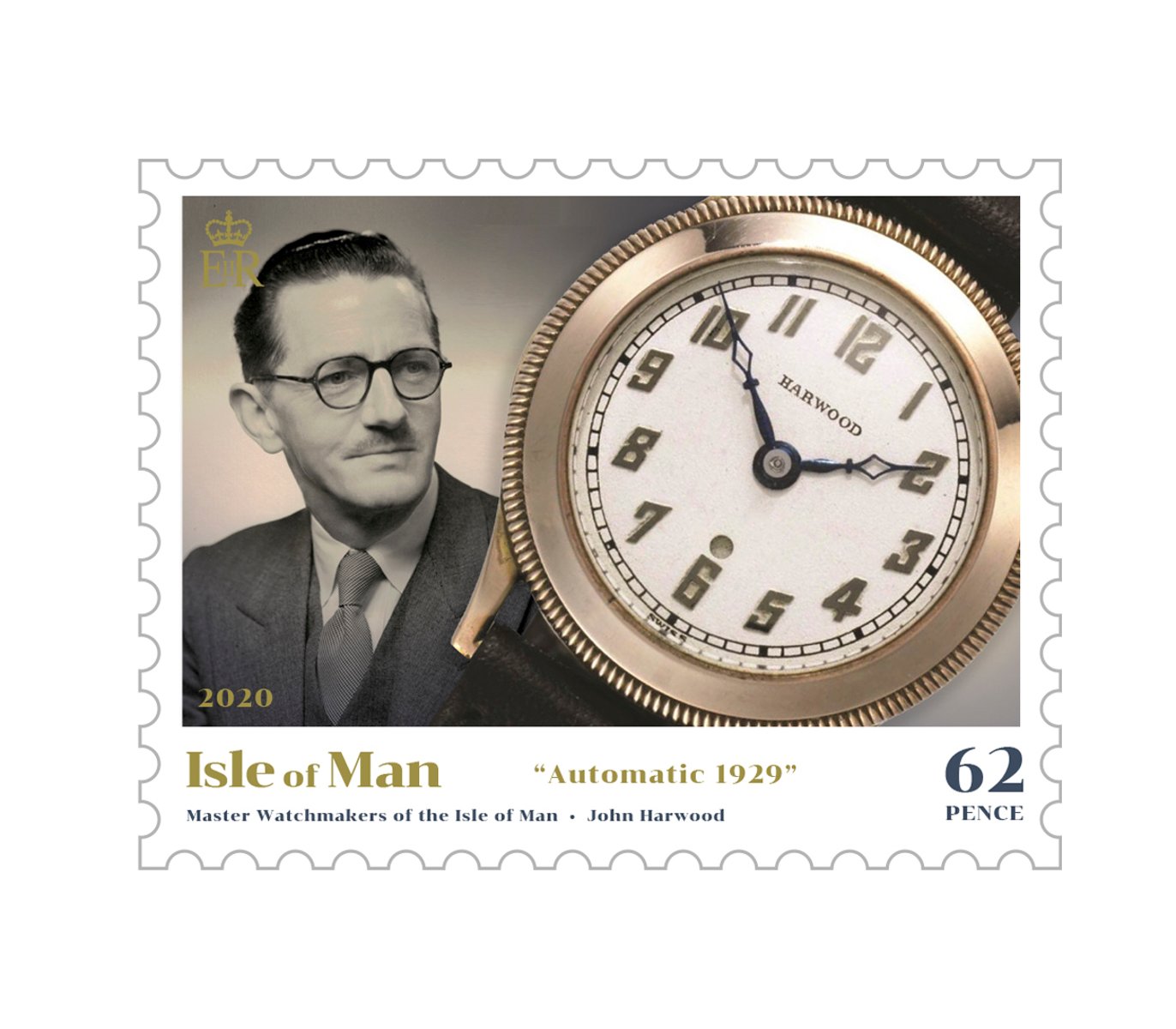
The centenary of the automatic wristwatch marks a pivotal moment in horology, beginning in 1926 when British watchmaker John Harwood partnered with Swiss manufacturer Fortis to transform the self‑winding concept into a commercially viable product. Harwood’s patented bumper‑type oscillating weight replaced the traditional crown‑wound system, allowing the watch to harvest energy from the wearer’s movements and store it in the mainspring. Fortis refined the design, introduced production processes, and released the first Harwood automatic watches in July 1926, a groundbreaking achievement that eliminated the need for daily manual winding and set the foundation for modern automatic movements. Over the following decades, the technology evolved from Harwood’s limited‑arc bumper system to full‑rotor designs that wind in both directions, increasing efficiency and power reserves. By the mid‑20th century, automatic watches became the industry standard, with brands like Rolex acknowledging Harwood’s contributions. Today, Fortis continues to produce watches in the same Grenchen facility where the original automatics were born, preserving the legacy of a mechanism that turned mechanical watches into self‑sustaining timepieces and shaped the future of watchmaking.
Buying Time Analysis: This story marks the centenary of the first self‑winding watch, highlighting how John Harwood’s invention and Fortis’s production transformed watchmaking by eliminating manual winding, paving the way for the modern automatic movements that power virtually every mechanical watch today.