The Evolution of Shock Resistance in Watches
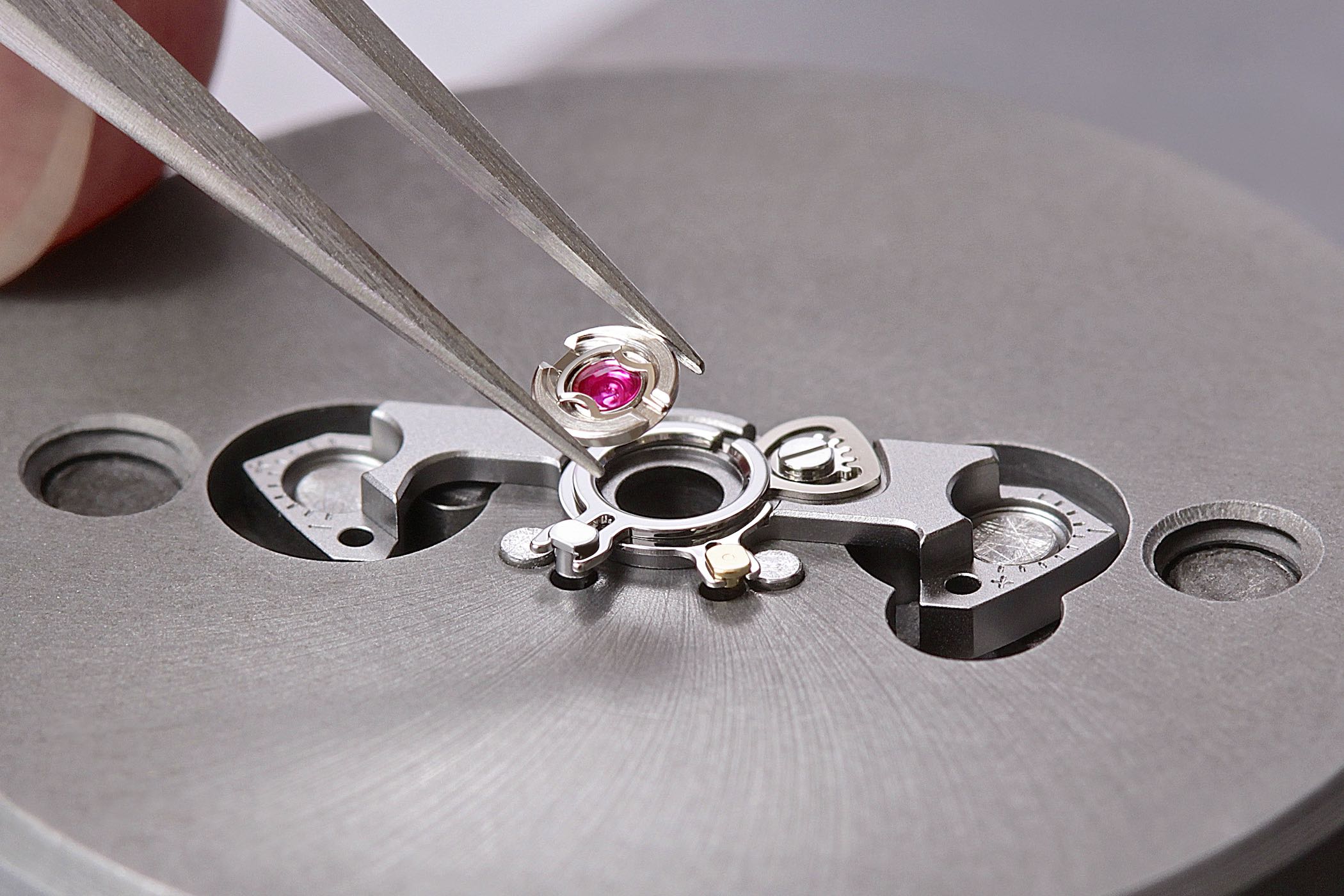
The evolution of shock resistance in watches began in the late 18th century when Abraham-Louis Breguet introduced the pare‑chute system, a pioneering anti‑shock mechanism that protected balance wheel pivots from impacts. Early pocket watches were highly vulnerable, but Breguet’s design used cone‑shaped shafts and blade springs to absorb shocks, setting a precedent for future developments. The transition to wristwatches during World War I heightened the need for robust protection, leading to the creation of the Incabloc system in 1934. Incabloc’s lyre‑shaped springs and movable jewel bearings became the industry standard, widely adopted by the 1950s and later refined to handle both vertical and lateral impacts. Competing technologies emerged over the decades, including KIF Parechoc, Seiko’s Diashock, Citizen’s Parashock, and ETA’s Novodiac, each offering variations on spring‑based shock absorption. Modern luxury brands such as Rolex introduced the Paraflex system, while specialized solutions like IWC’s SPRIN‑g PROTECT and Ball’s SpringLOCK provide comprehensive protection for both balance wheels and escapements. These advancements have made shock resistance a fundamental requirement for mechanical watches, ensuring reliability across diverse environments and cementing anti‑shock mechanisms as a cornerstone of horological engineering.
Buying Time Analysis: This story traces the evolution of shock‑resistance in watches, showing how innovations from Breguet’s early pare‑chute to modern systems like Incabloc and Paraflex have been crucial for improving watch reliability and durability, making mechanical timepieces viable in everyday, high‑impact environments.