The Evolution of Watch Dial Styles Through History
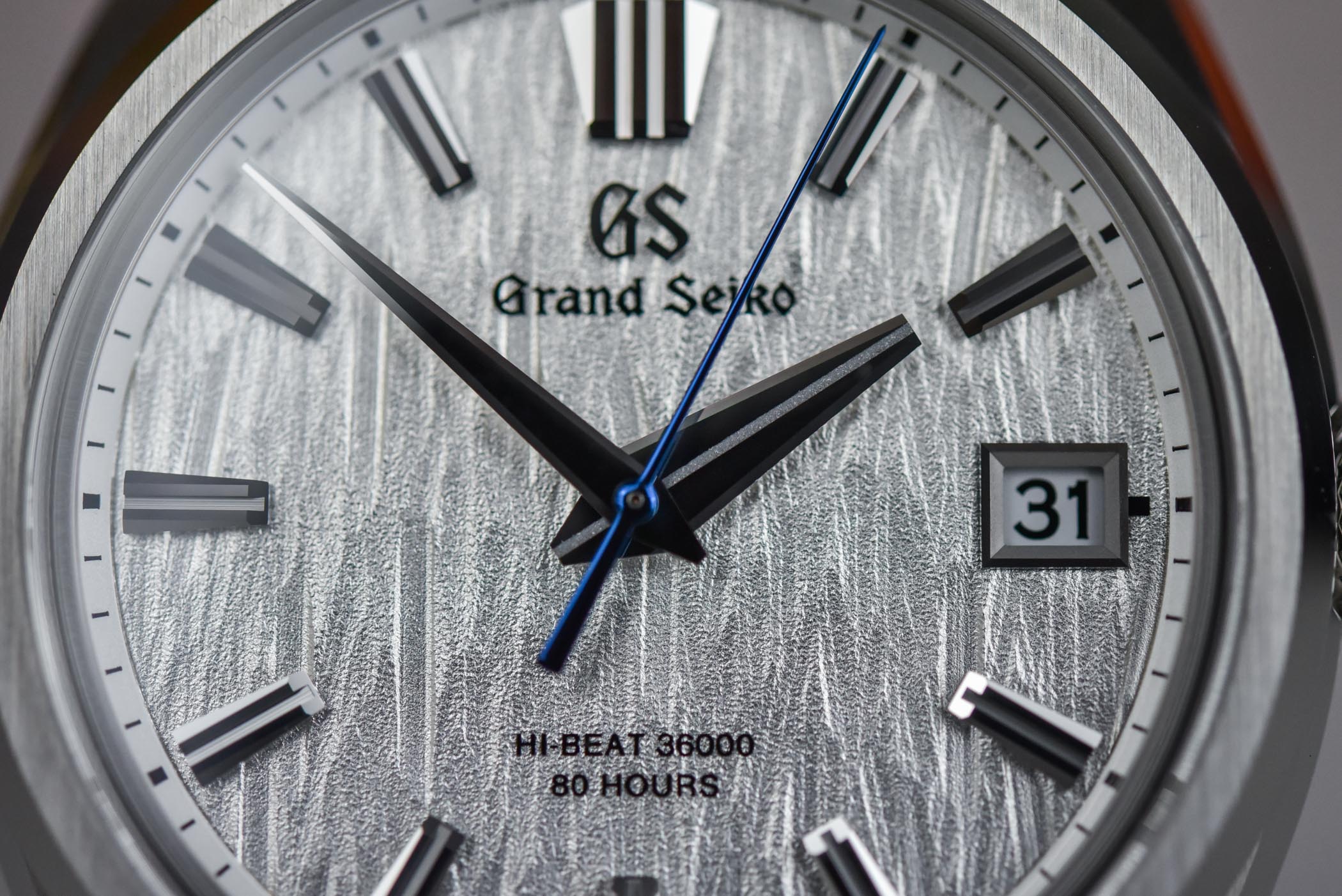
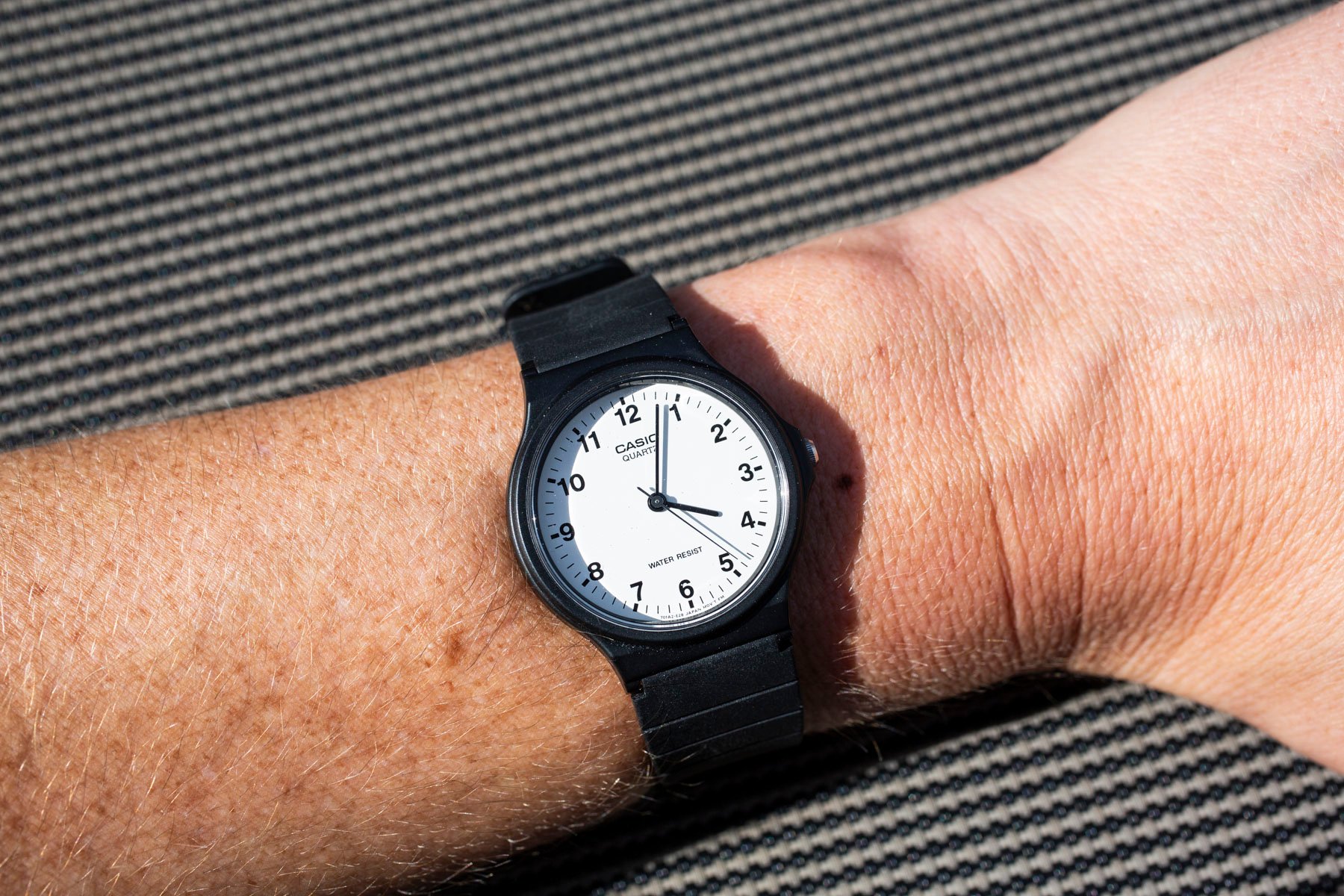
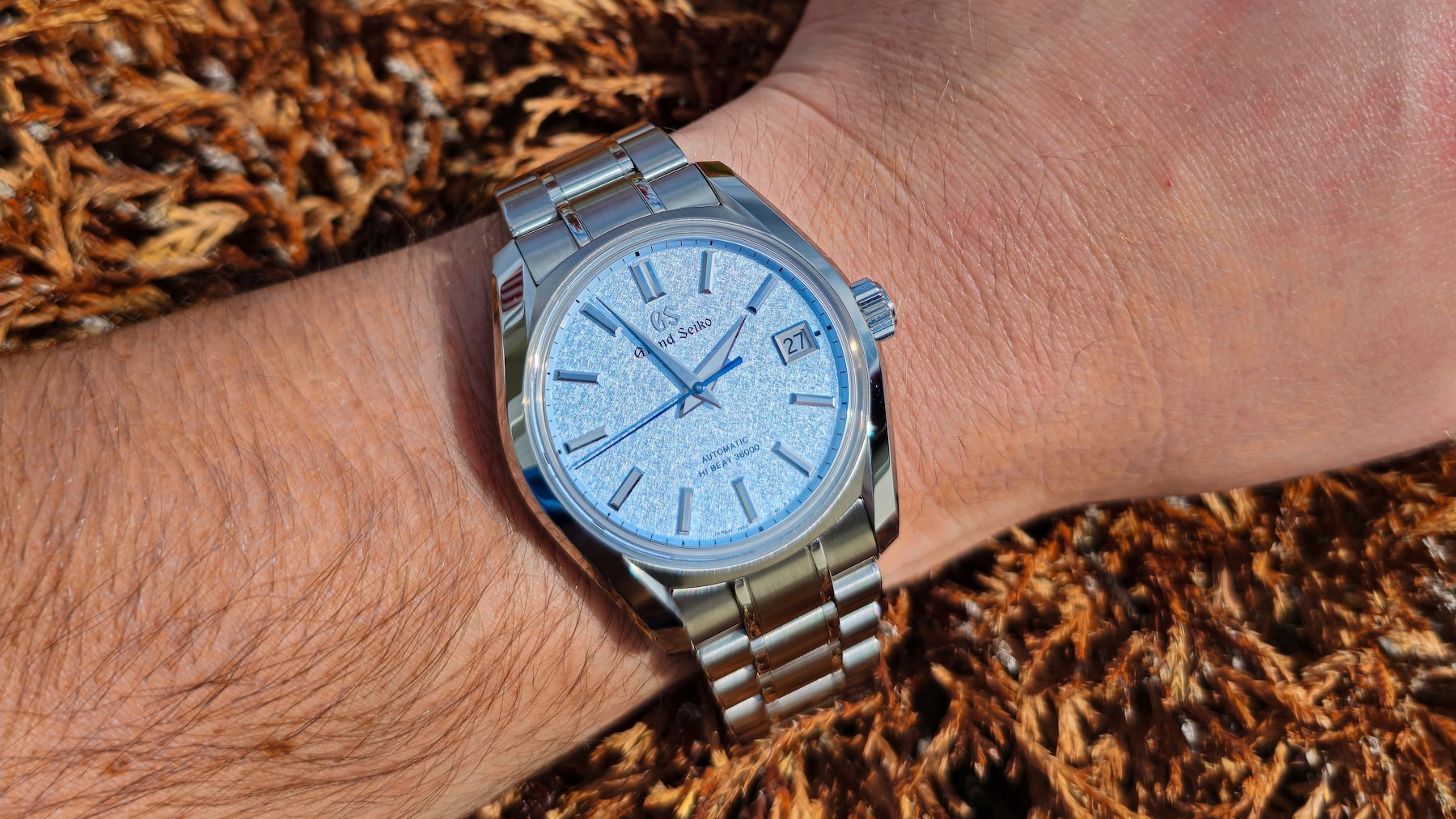
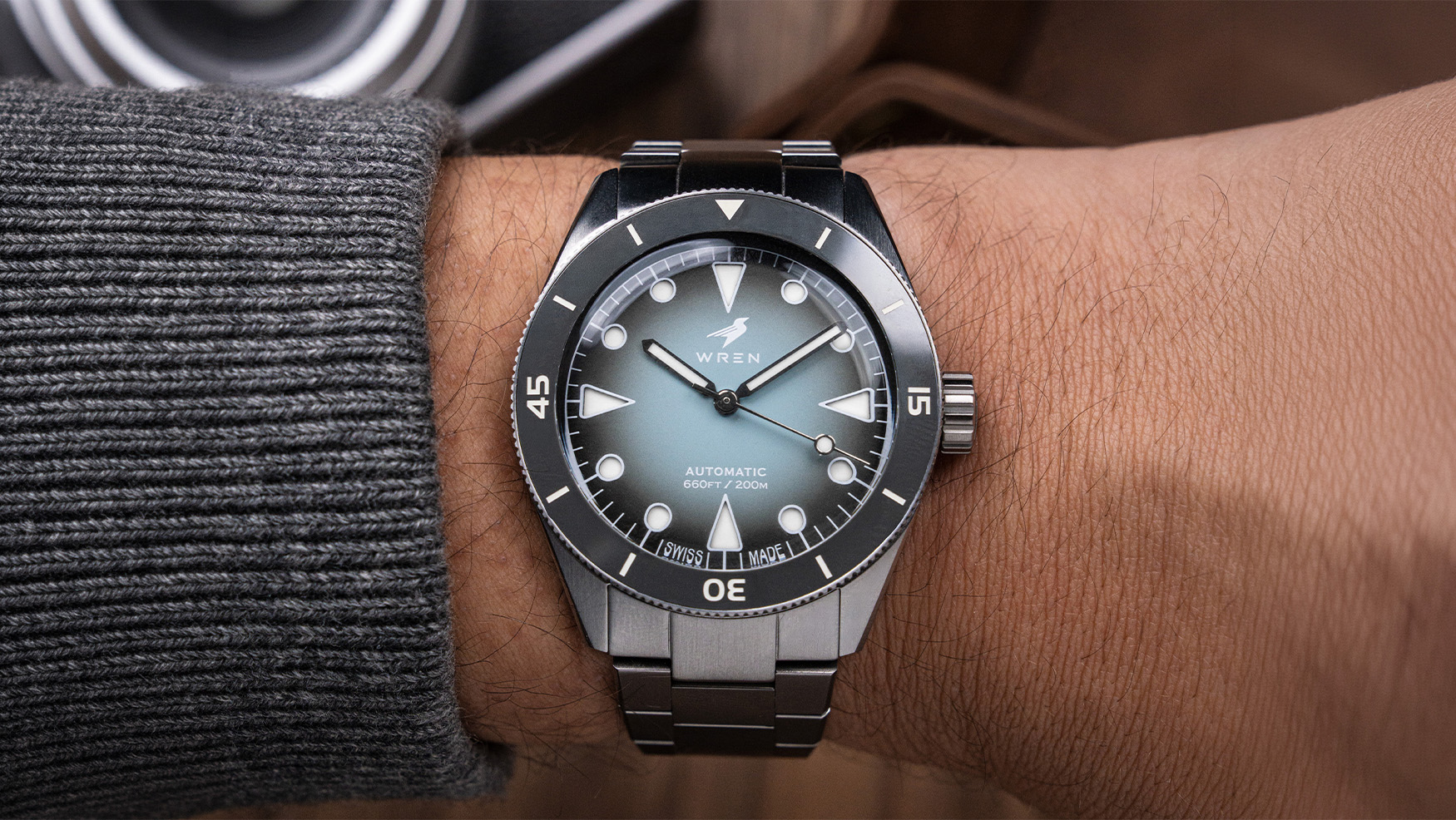
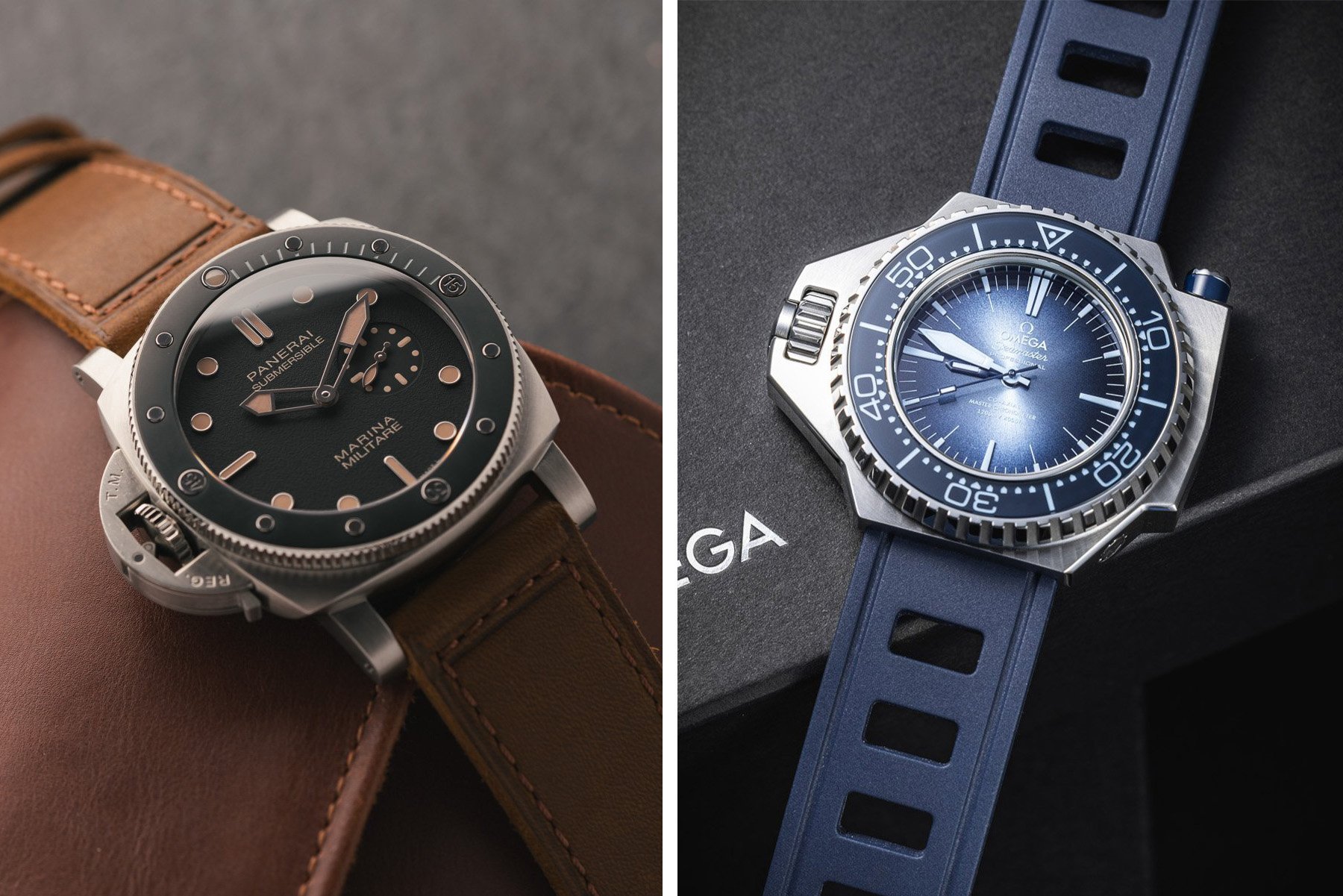
Watch dial styles have evolved alongside advances in timekeeping, changing tastes and practical needs. Early dials were often ornate status symbols, but improvements in accuracy brought clearer hour, minute and seconds markings. The Lépine aesthetic and Breguet’s Arabic numerals, hands and guilloché patterns helped establish distinctive approaches, while railroad dials prioritized legibility and precision for safe train travel. The rise of wristwatches around World War I further encouraged functional designs, from military dials to Art Deco, sector and California styles. Later designs reflected modernist minimalism and new manufacturing techniques. Bauhaus and Museum dials pared back decoration, gilt dials paired gold-toned details with dark backgrounds, and wartime standards shaped the A-11, Dirty Dozen and B-Uhren designs. Postwar and contemporary styles include Audemars Piguet’s Tapisserie, regulator dials, Grand Seiko’s Snowflake and MeisterSinger’s single-hand watches. Today, heritage-inspired versions keep many historic designs in circulation, while new dial styles continue to emerge.
Buying Time Analysis: This story is important because it shows how watch dial styles reflect changing design eras and technological advances while balancing legibility, function, and artistic expression.