The History and Evolution of Watch Clasps
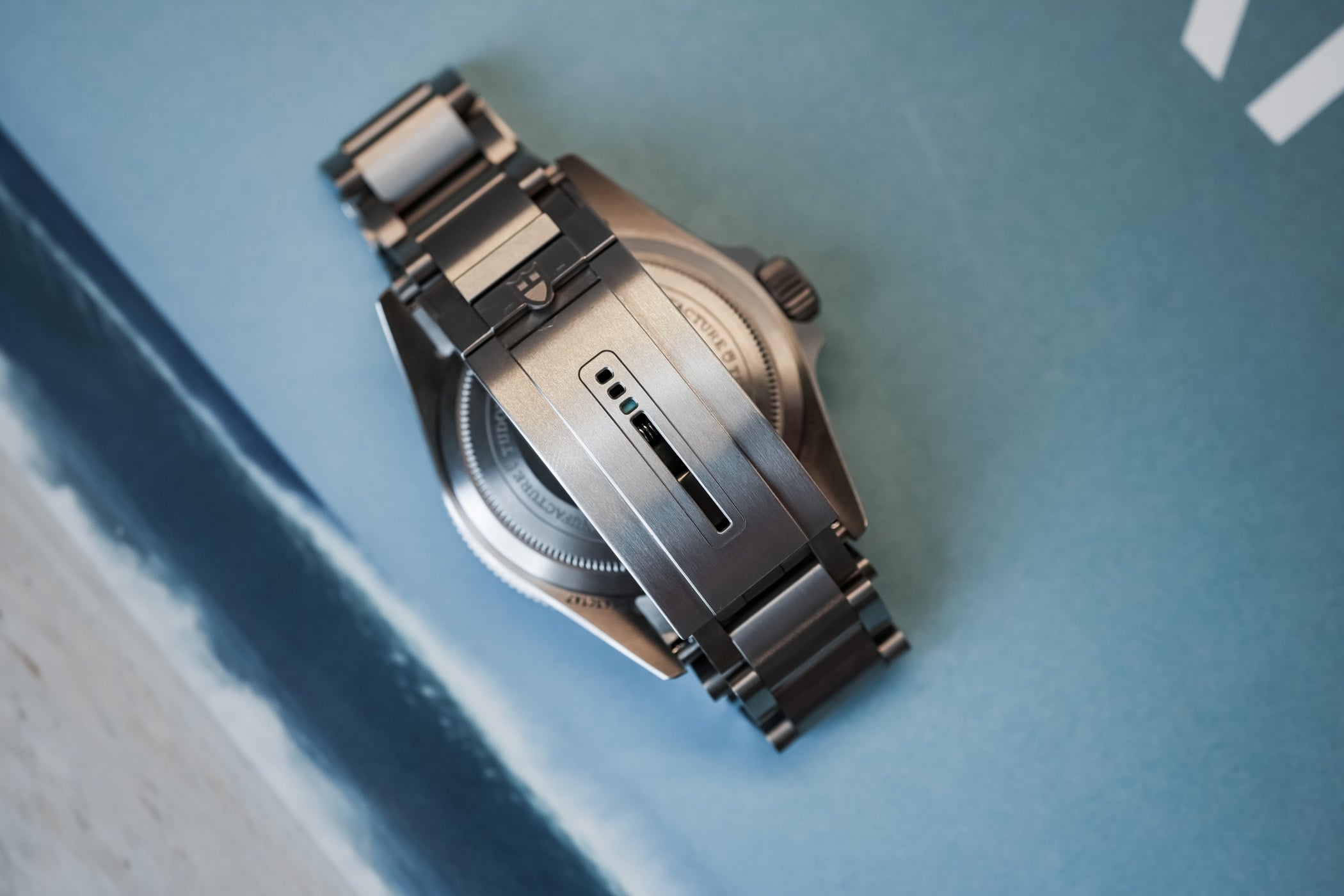
Watch clasps have evolved from simple pin buckles used since the Bronze Age to sophisticated engineering feats that combine micro‑adjustability, tool‑free operation, and secure locking mechanisms. Early metal bracelets lacked closures, and the first commercial watch buckles copied belt designs, remaining dominant through the World Wars. Modern developments include deployant clasps invented by Louis Cartier, which protect leather straps and offer folding designs, as well as micro‑adjusting variants like Rolex’s Glidelock that provide several millimetres of on‑the‑fly adjustment for diving and everyday wear. Butterfly clasps hide the mechanism beneath the bracelet for a seamless look, while sliding and hook clasps on Milanese or Bonklip bracelets allow infinite sizing without link removal. Recent innovations focus on integrating adjustable features directly into the clasp, such as micro‑adjusting deployants from various high‑end brands, patented spring mechanisms that respond to water pressure, and proprietary designs like Brogioli’s flush‑button system or Horage’s ultra‑thin HMAC clasp. These advancements enhance comfort, durability, and aesthetic appeal, making the clasp a critical component of modern watch design rather than a mere functional closure.
Buying Time Analysis: This story highlights how watch clasps have evolved from simple closures to sophisticated engineering feats, illustrating their crucial role in comfort, functionality, and the advancement of watch design.