The History of Indian Watchmaking: The ABCs of Time
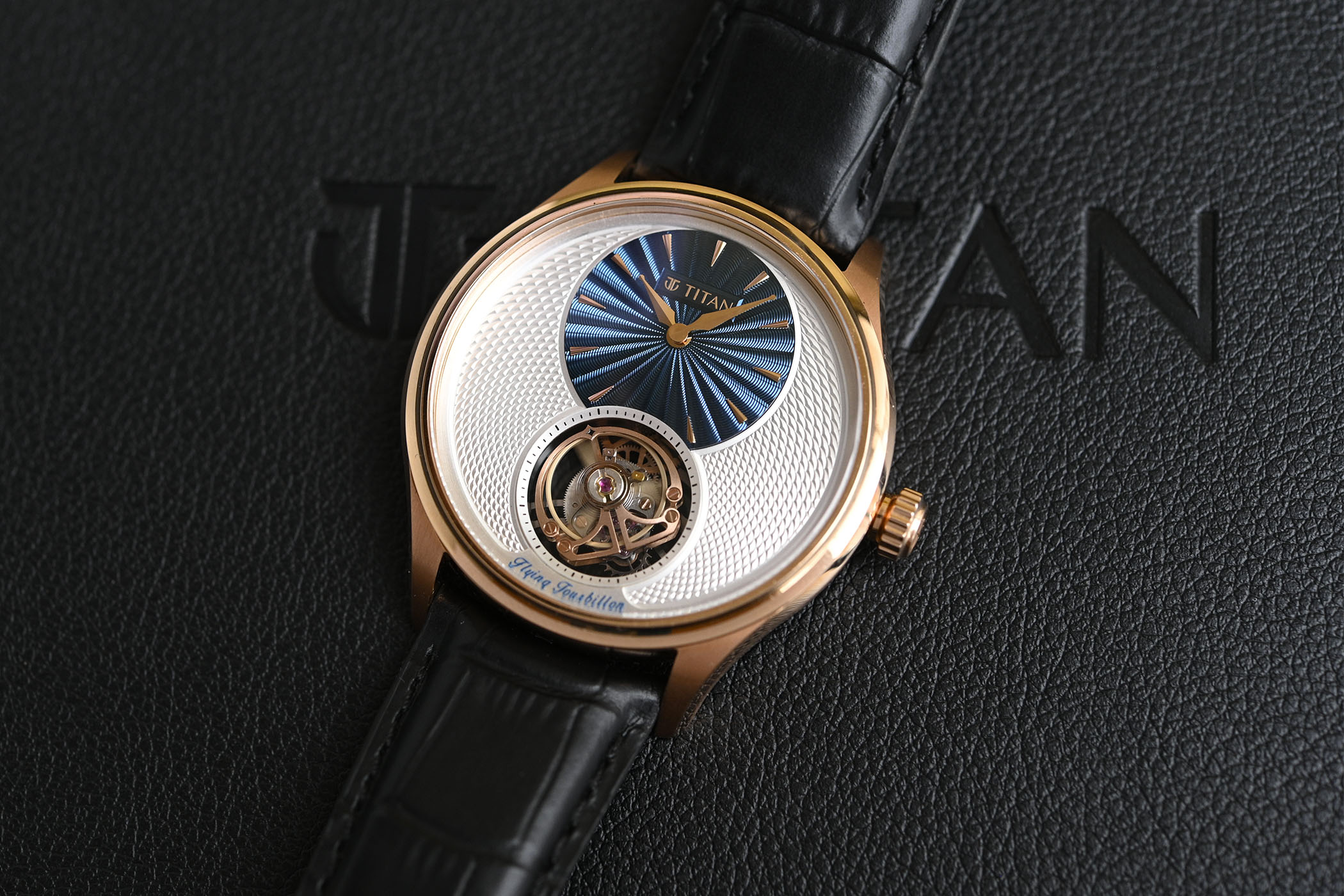
Indian watchmaking began in the 19th century with Swiss imports for the elite, but it truly took off after independence when HMT partnered with Citizen and opened its first factory in Bengaluru in 1961. HMT grew into a national icon, producing millions of mechanical and later quartz watches, yet mismanagement and the rise of competition led to its closure in 2016. Titan, launched by the Tata Group in 1984, capitalized on HMT’s shortcomings by offering affordable quartz models, expanding rapidly with innovative designs, flagship stores, and pioneering technologies such as the world’s thinnest quartz movement and later high‑end tourbillon pieces. Micro‑brands like Ajwain, Jaipur, Coromandel, and especially Bangalore Watch Company have added diversity to the market, drawing on Indian heritage and pushing technical boundaries, exemplified by Bangalore’s space‑qualified watches. Today Titan is the fifth‑largest global watchmaker, producing up to 17 million pieces a year—comparable to the entire Swiss output—while the Indian industry continues to evolve, blending mass‑market appeal with emerging haute‑horlogerie.
Buying Time Analysis: This story highlights the pivotal evolution of Indian watchmaking, illustrating how early innovations, government initiatives, and entrepreneurial brands like HMT and Titan shaped a unique industry that now competes globally and reflects India's cultural and technological progress.