The history of the chronograph
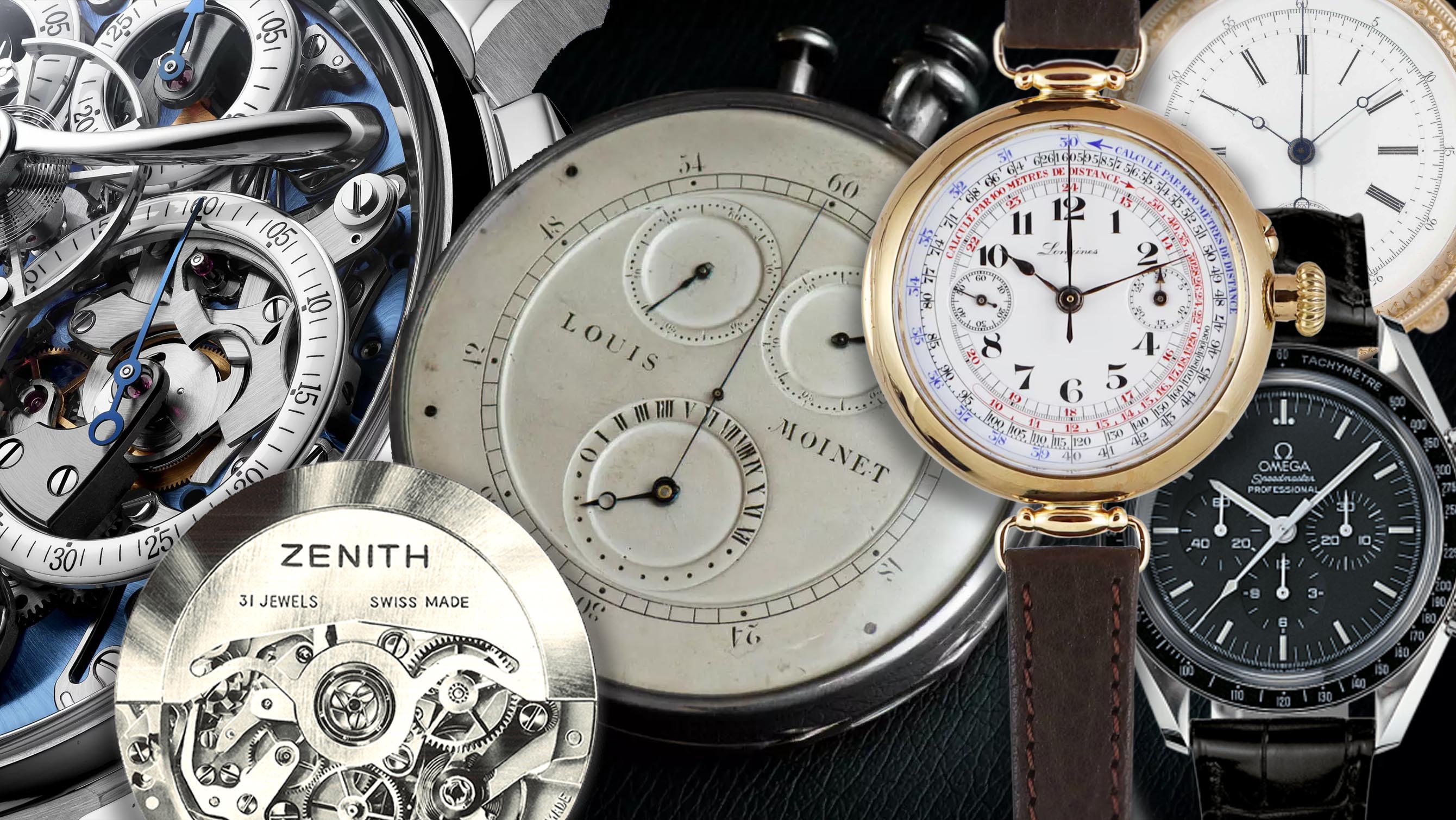
The history of the chronograph is a fascinating journey that highlights the evolution of timekeeping from ancient sundials and water clocks to the precise measurement of short time increments we see today. The term "chronograph," derived from Greek, signifies the ability to record time, which became essential during the rise of global seafaring in the 1700s. The first chronograph was invented by Louis Moinet in 1816, a device designed to measure time with remarkable accuracy. Other significant developments followed, including Nicolas Mathieu Rieussec's 1821 chronograph for horse racing, which introduced the term "chronograph" and demonstrated the ability to record multiple competitors. As technology advanced, the chronograph transitioned from pocket watches to wristwatches, particularly during the tumultuous periods of the World Wars, when they became invaluable tools for pilots and soldiers. By the mid-20th century, brands like Omega and Rolex introduced iconic models that defined the genre. The quest for automatic winding chronographs culminated in a race among major manufacturers in the late 1960s, leading to groundbreaking designs. Today, chronographs continue to evolve with modern innovations, blending luxury and functionality, exemplified by contemporary creations that push the boundaries of horological engineering.