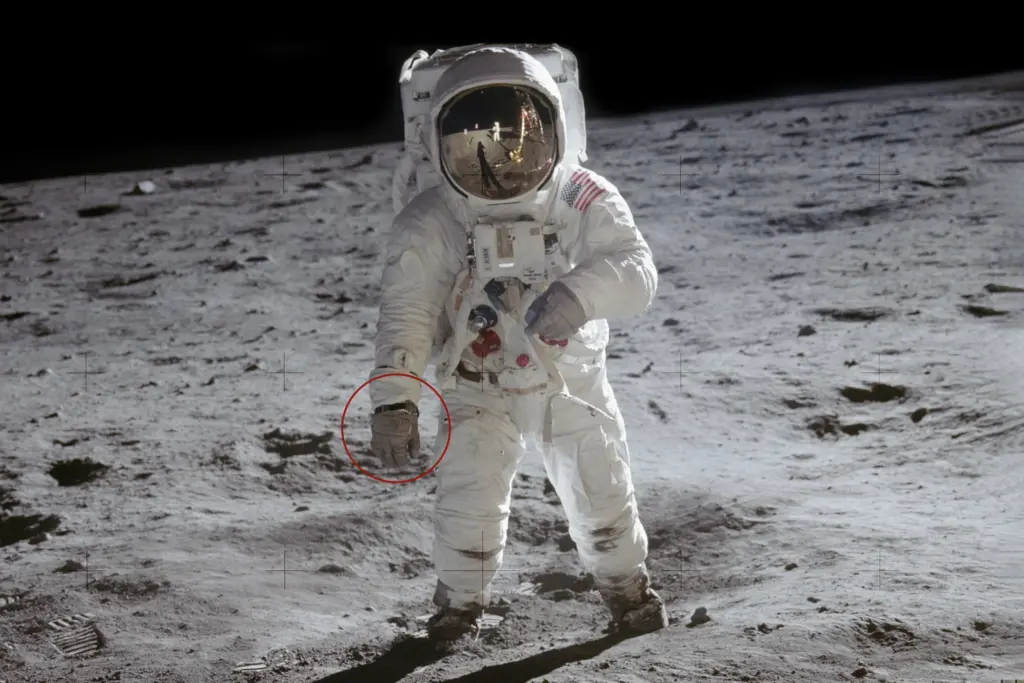
The Truth About Water Resistance Ratings
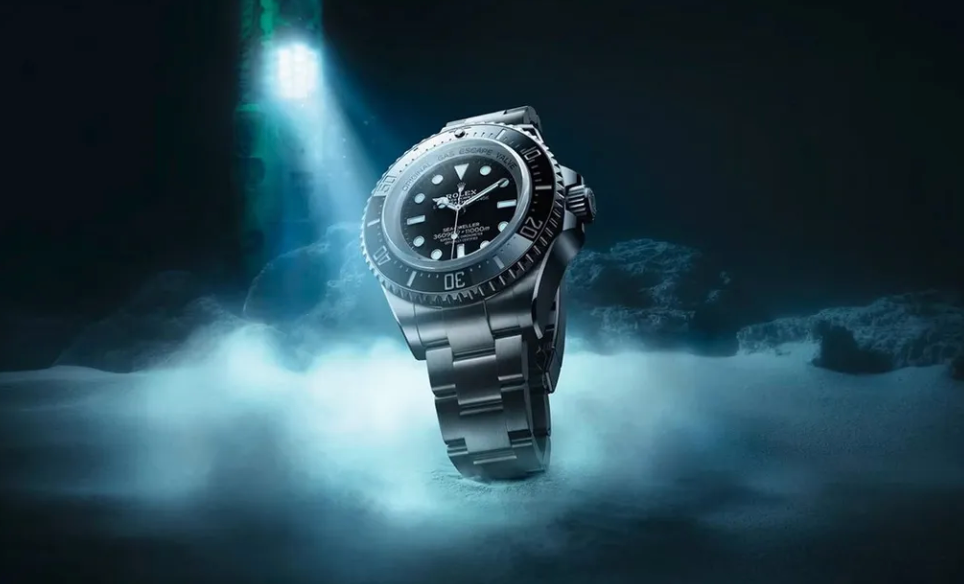
Water resistance ratings for watches indicate how well a timepiece can withstand exposure to moisture and pressure, but they are not absolute guarantees. Lower ratings, such as 10–20 meters, primarily protect against rain, hand‑washing, and splashes, while mid‑range ratings around 50 meters allow for casual swimming and more vigorous water activities. Higher ratings, especially those reaching 100–200 meters, are intended for diving, yet even these should be approached with caution, as recreational diving limits are typically far shallower than the stated depths. The article stresses that real‑world performance can differ from laboratory tests, and manufacturers often conduct additional “torture tests” to demonstrate durability under extreme conditions. Modern dive watches often boast ratings of 300 meters or more, with some ultra‑deep models claiming protection down to several thousand meters, showcasing advanced sealing technologies and materials. While such high ratings provide extra peace of mind and bragging rights, practical use rarely requires them, as most divers operate well within shallower limits. Ultimately, understanding the nuances of water resistance helps wearers make informed decisions about when and how to expose their watches to water, balancing the specifications with realistic activity levels.
Buying Time Analysis: This article highlights why understanding water‑resistance ratings is crucial for consumers, as it clarifies the real‑world protection limits of watches, helps prevent damage from everyday exposure, and informs informed choices between casual, moisture‑resistant, and true dive‑grade timepieces.