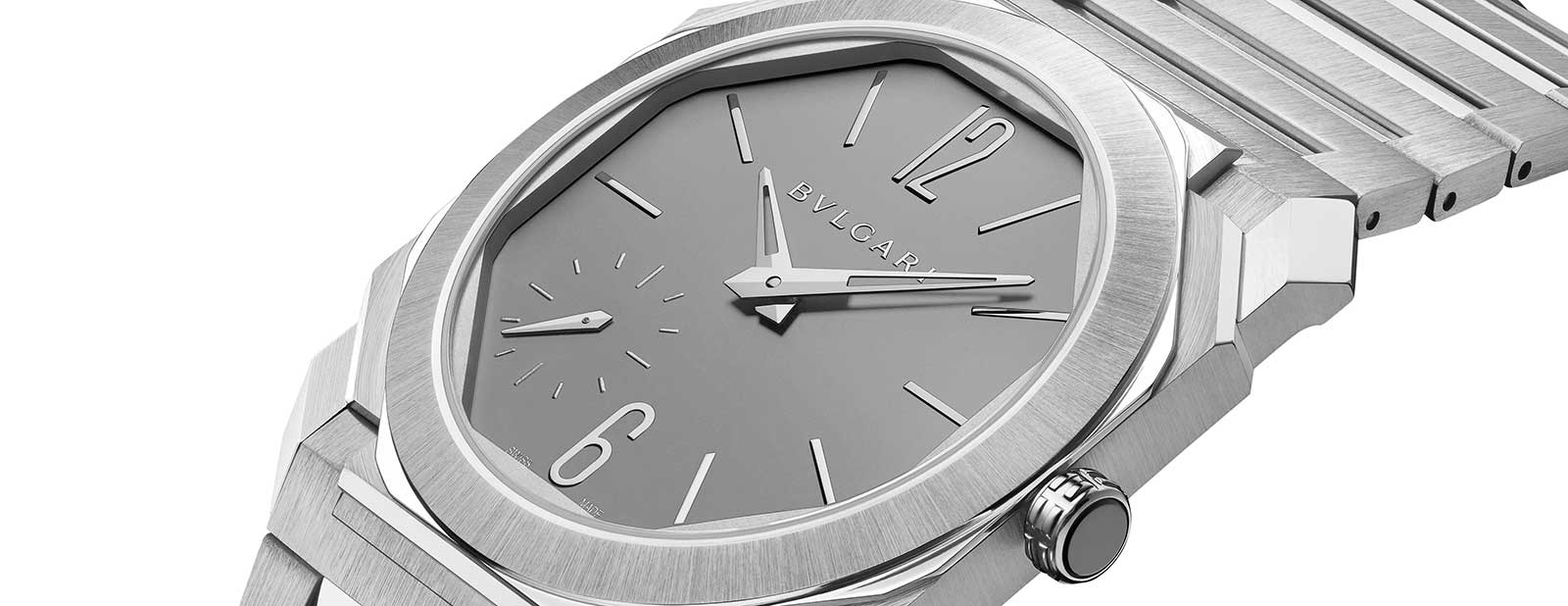
The ultra‑thin mechanical watch that will make you smile
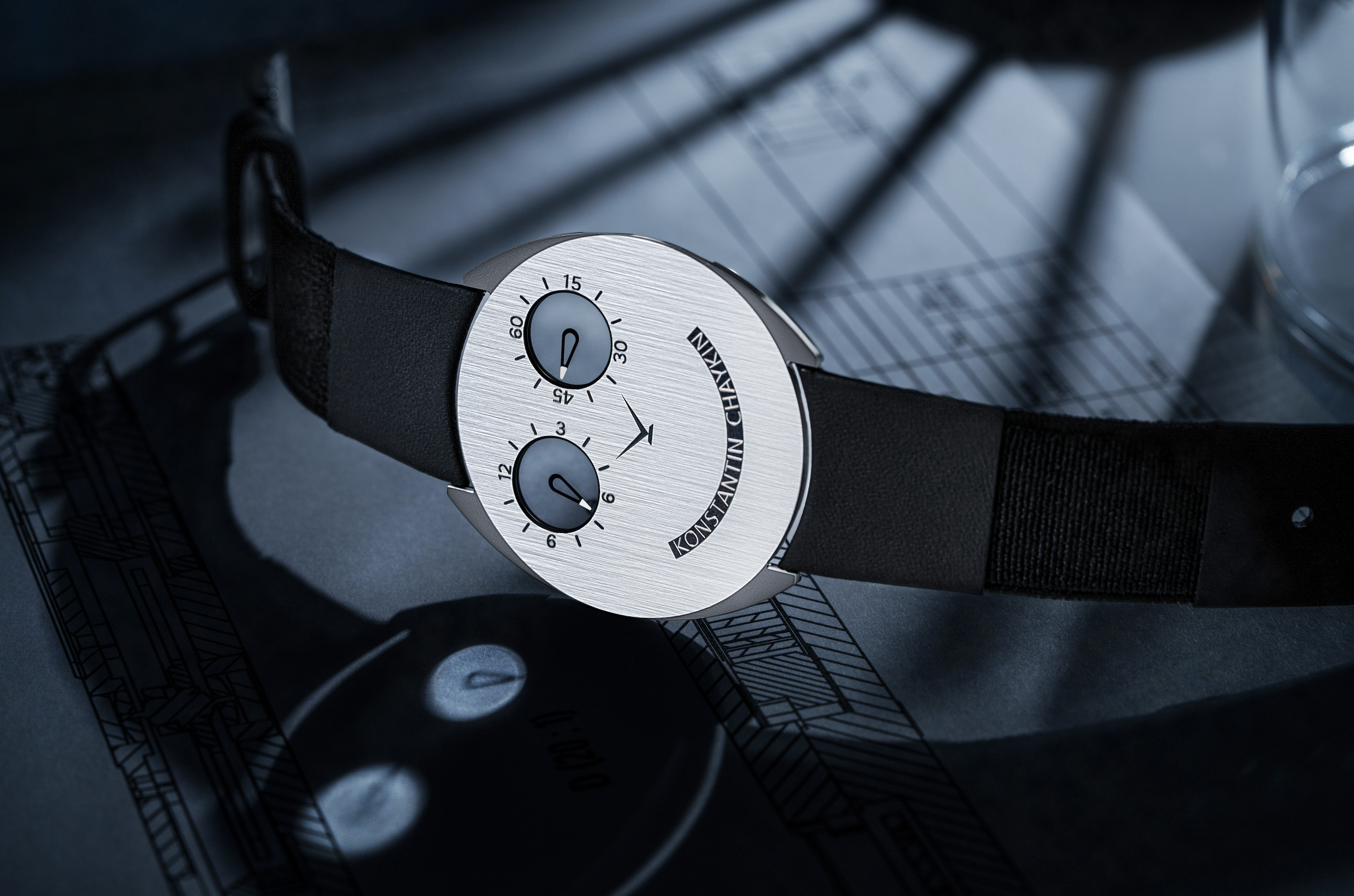
The piece examines the relentless pursuit of ultra‑thin mechanical watches, focusing on Konstantin Chaykin’s ThinKing model, which measures just 1.65 mm in depth. It details the engineering compromises required to achieve such slimness, including the use of exotic tungsten‑nickel alloys, split mainspring barrels, and integrating movement components into the caseback, while acknowledging the trade‑offs in power reserve, durability, and practicality. Historical milestones are traced back to 18th‑century pocket watches and early 20th‑century innovations, highlighting how brands like Bulgari, Piaget, Vacheron Constantin, and Audemars Piguet have continually pushed the limits of watch thickness. The article also explores the broader implications of this “thinness obsession,” noting that while extreme slimness serves as a technical showcase and marketing differentiator, it often sacrifices everyday wearability. Industry voices argue that true value lies in balancing aesthetics, ergonomics, and functional robustness, as exemplified by watches such as VPC’s Type 39VM, a 9.34 mm automatic dive watch that prioritizes comfort and performance over record‑breaking thinness.
Buying Time Analysis: This story highlights a groundbreaking engineering achievement in ultra‑thin mechanical watchmaking, showcasing how innovative materials and redesigning movement architecture push the limits of horology, inspire industry competition, and underscore the trade‑offs between extreme thinness and practical functionality.