The Watch Industry’s Future Divide: Movements Over Prices
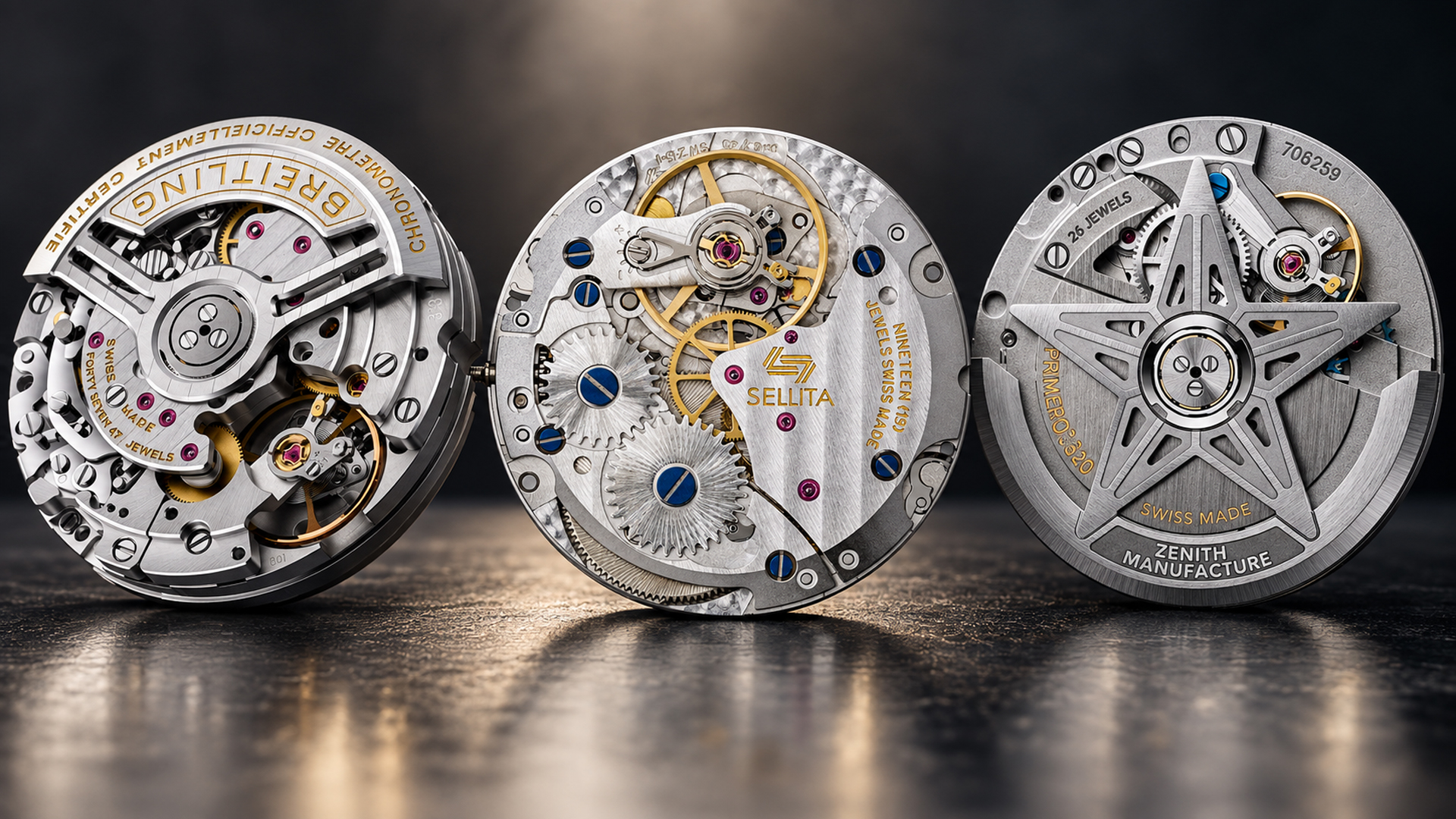
The watch industry is poised to be defined by ownership of movement technology rather than price, with in‑house calibre production emerging as the decisive competitive moat by 2030. While entry‑level volumes appear to be rebounding, this growth is largely driven by conglomerate‑owned brands such as Frédérique Constant and Gallet, which use lower‑priced models to funnel customers toward higher‑margin lines within the same groups, rather than indicating a genuine democratization of mechanical watchmaking. Regulatory changes that forced ETA to curtail third‑party sales have already reshaped the market, elevating independent suppliers like Sellita and prompting brands to develop proprietary movements. Those that secure vertical integration will enjoy stronger resale values and brand equity, whereas brands reliant on outsourced calibres will compete mainly on price and marketing, facing increasing commoditisation across all price tiers.
Buying Time Analysis: The story highlights how ownership of movement technology, rather than price, will become the decisive competitive moat for the watch industry by 2030, reshaping market dynamics and long‑term brand value.