Time Graphing Today’s Watch Universe - July 16, 2026
There was a time when the luxury watch business revolved around craftsmanship alone. The movement mattered. The finishing mattered. Heritage mattered. Today, all those things still matter, but increasingly they are only the admission ticket into a much larger conversation about cultural relevance, brand ecosystems and emotional storytelling.
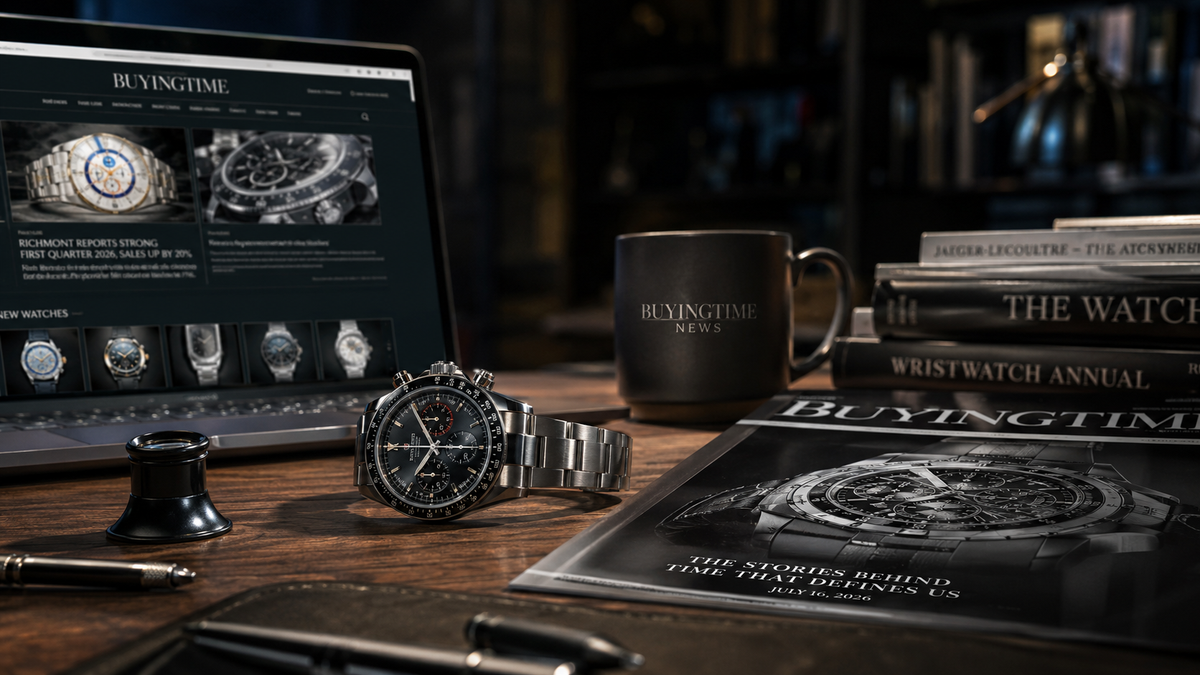
That is exactly what sits beneath Richemont’s impressive first-quarter results. A 20 percent jump in sales is obviously good news for shareholders, but the more interesting story is where the growth came from. Cartier and Van Cleef & Arpels continue demonstrating that jewelry and watches are not separate businesses so much as complementary expressions of luxury. Meanwhile, Vacheron Constantin, Jaeger-LeCoultre and A. Lange & Söhne remind us that high horology remains healthy when backed by patient ownership, disciplined distribution and enough financial muscle to survive the inevitable moments when collectors become distracted by something shinier.
Richemont’s growing dependence on direct-to-client retail also reinforces one of the industry’s most important commercial lessons. Controlling the customer relationship has become almost as valuable as controlling the movement inside the watch. Retail sales increased 24 percent and now represent 71 percent of the group’s business. That means fewer intermediaries, better customer data, stronger margins and more control over how every watch, necklace and carefully illuminated boutique counter is presented. Luxury companies once built products and relied on retailers to find the customer. Now they want the customer, the store, the experience and probably the email address.
Then there is Marilyn Monroe.
At first glance, a Hollywood icon from the 1950s seems disconnected from today’s watch market. But her story illustrates how watches have evolved into cultural artifacts rather than simple luxury accessories. Neither the diamond-set Blancpain she owned nor the famous Rolex Day-Date associated with President John F. Kennedy is technically remarkable by modern standards. Their extraordinary value comes from narrative. Collectors increasingly buy provenance as much as they buy mechanics.
The platinum Blancpain dress watch connected to Monroe eventually returned to the company after selling for $225,000. The gold Rolex Day-Date she reportedly gave Kennedy, complete with a deeply personal inscription, later sold for $120,000 despite apparently never having been worn by the president. These are not simply watches. They are physical fragments of a story involving fame, power, secrecy, romance and enough historical ambiguity to keep auction catalog writers employed indefinitely.
Blancpain understands the commercial value of that connection. Its seven-piece Ladybird Tribute collection uses Monroe’s centennial as the basis for a highly limited series of miniature white-gold watches, each carrying one letter from her first name. It is history transformed into product, although at $54,300 per watch, this is history with excellent margins.
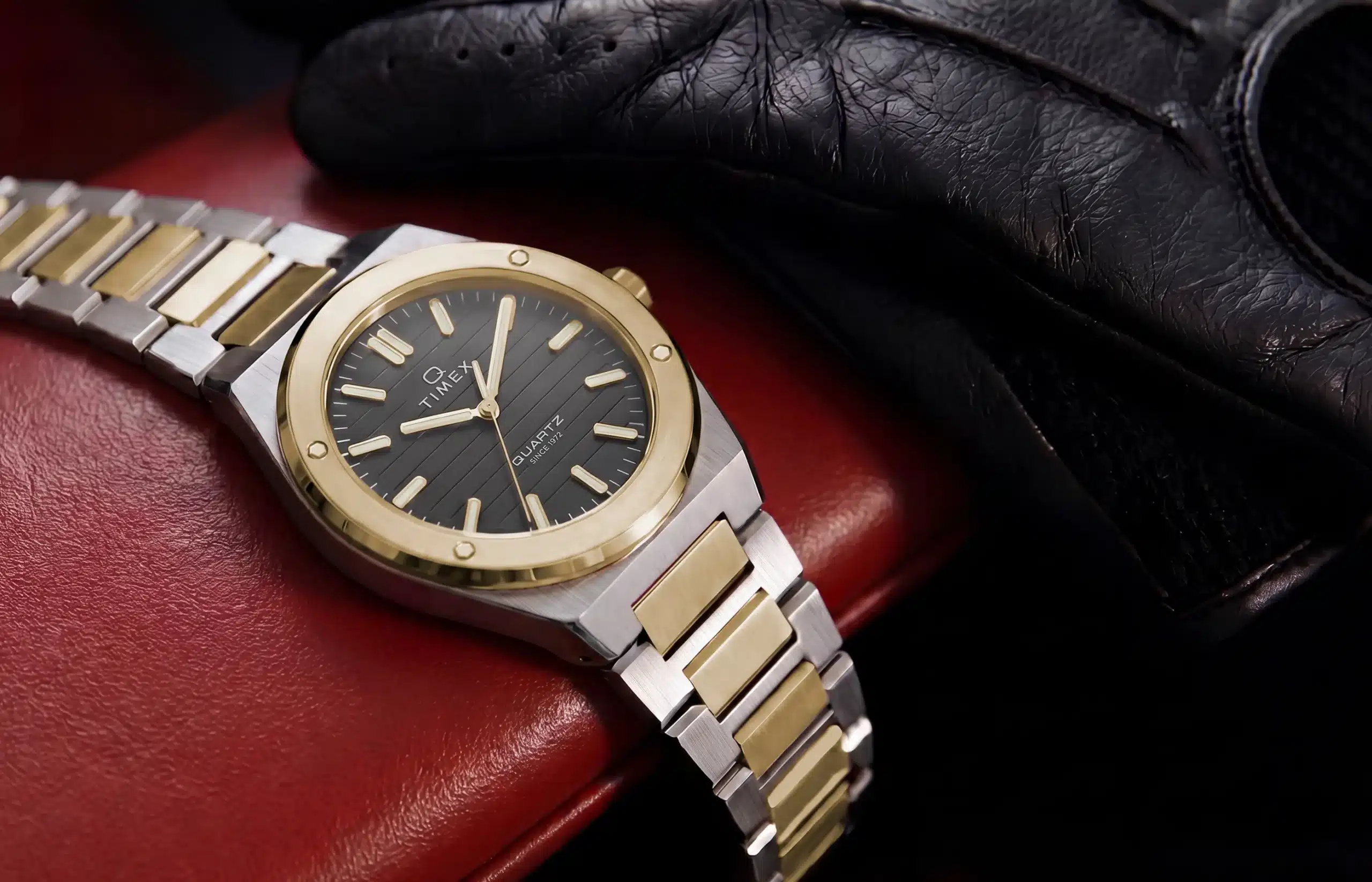
Today’s new releases reinforce another trend that has accelerated throughout 2026: titanium is steadily becoming the material of choice for contemporary sports watches. The new Timex Marlin Jet Automatic Titanium GMT brings a lightweight case and automatic travel complication to a price of $549, while the Doxa SUB 300 Ti5 Clive Cusslerreconstructs one of the industry’s most recognizable dive watches in Grade 5 titanium.
Ten years ago, titanium watches could feel like engineering exercises made primarily for people who enjoy explaining material science at dinner. Today, titanium has become a lifestyle decision. Consumers have discovered that comfort matters almost as much as specifications, particularly when a watch case is large enough to be visible from low Earth orbit.
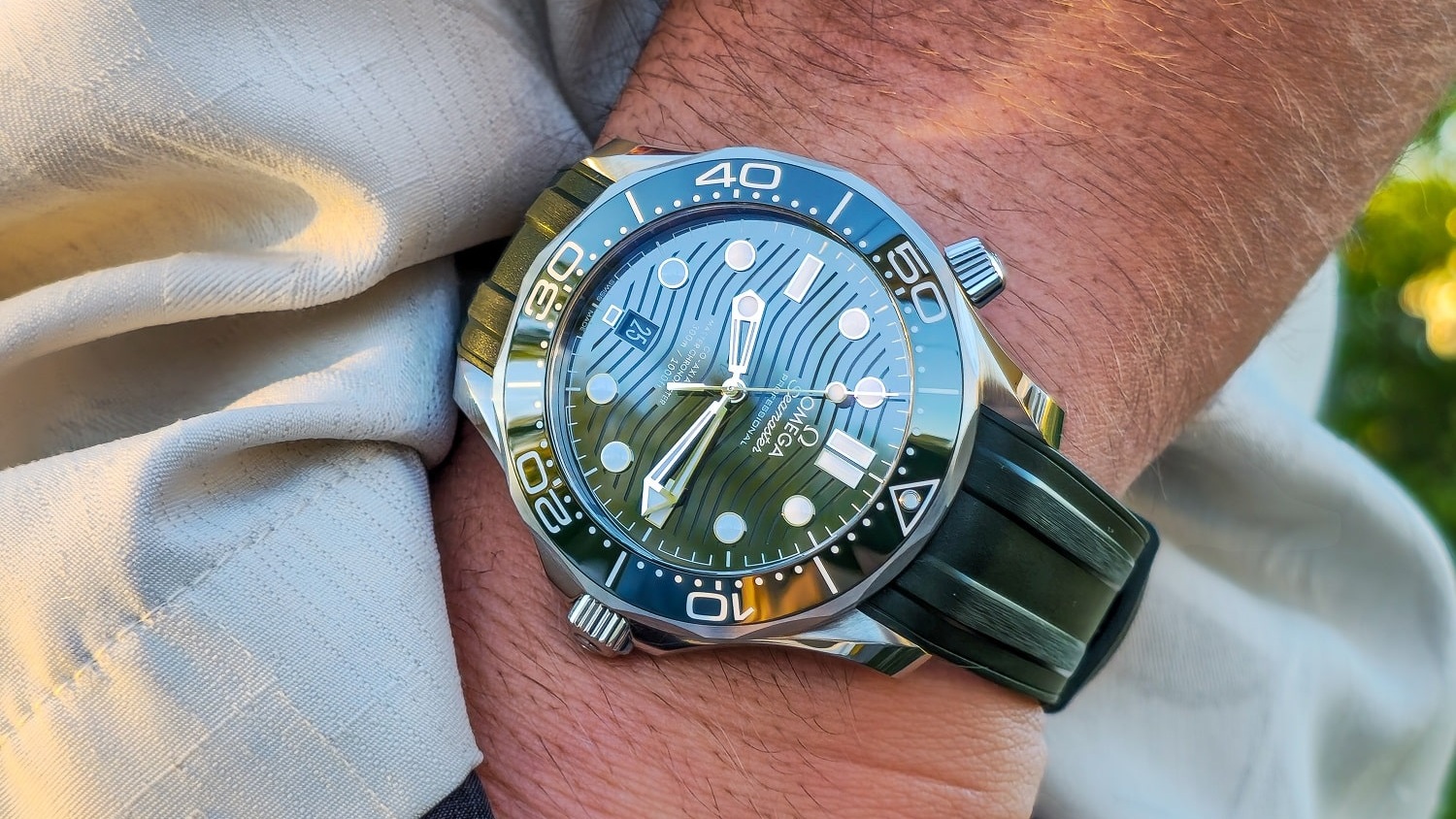
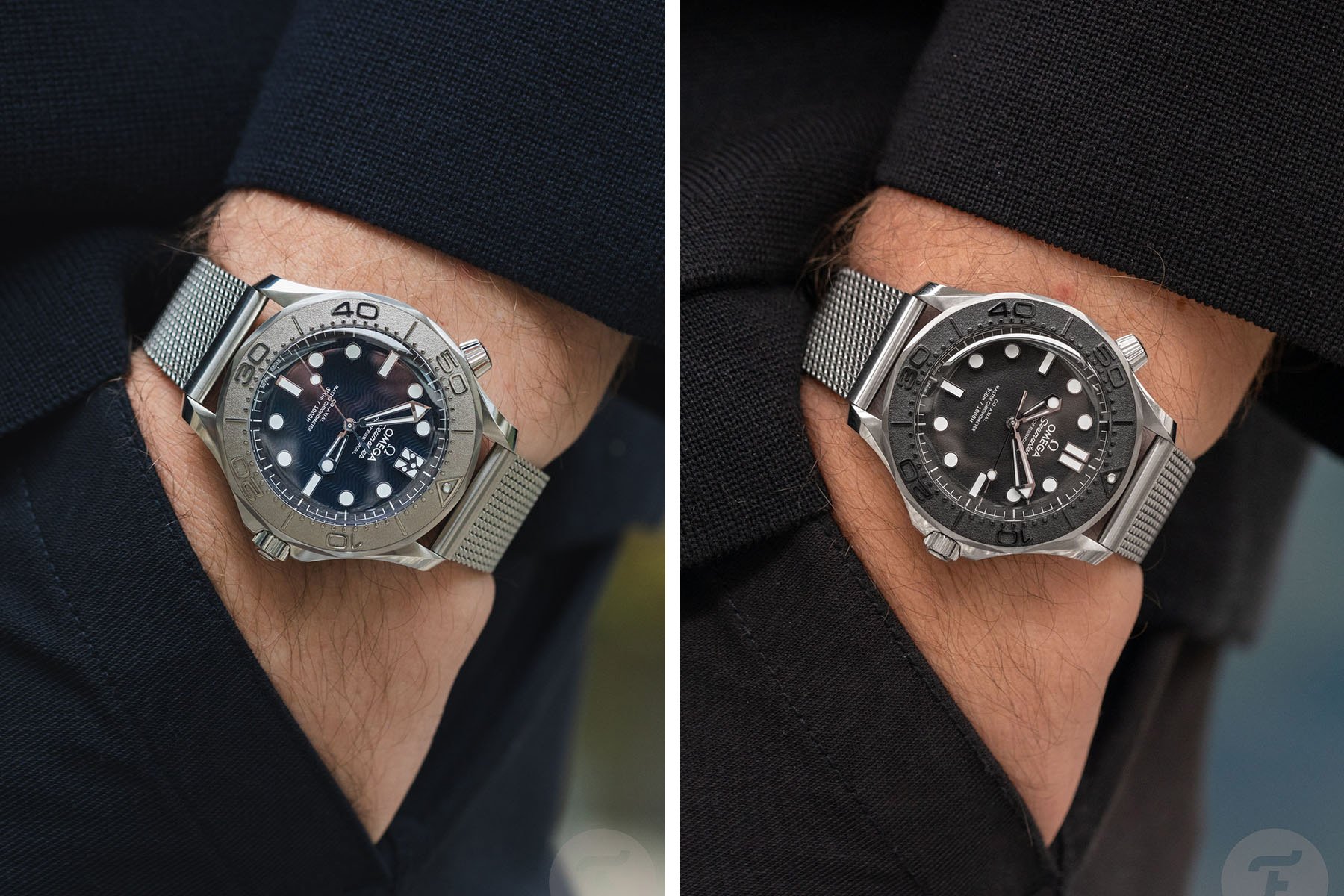
That explains why the steel-versus-titanium debate has moved beyond theoretical comparisons. The hands-on examination of steel and titanium dive watches is really a discussion about how collectors now evaluate watches. Steel offers traditional heft, familiar durability and the reassuring sensation that one has purchased something substantial. Titanium offers comfort, modernity and the possibility of reaching the end of the day without feeling as though the left wrist has completed an independent workout.
Independent brands continue pushing in another direction altogether. The Sartory-Billard SB04-E Nuances represents a meaningful transition from highly customized commissions toward a more predictable permanent collection. That may sound less romantic, but it is an important step for any independent brand attempting to become a sustainable business rather than a charismatic workshop surrounded by an increasingly unmanageable waiting list.
The SB04-E preserves the colors, textures and visual depth that made Sartory-Billard interesting while giving buyers the certainty of a defined product, price and delivery schedule. It is the horological equivalent of discovering that the brilliant neighborhood restaurant has finally learned how to take reservations.
At the opposite end of the independent spectrum sits the Armin Strom Mirrored Force Resonance Red, a 15-piece edition priced at CHF 78,000. The movement remains mechanically familiar to followers of the brand, but the red hand-guilloché dial transforms the presentation. That illustrates another reality of modern independent watchmaking: technical credibility may attract the collector, but color often closes the sale.
The March LA.B AM2 XS provides another useful signal. Its 32 mm square case and hand-wound movement reflect the continuing retreat from oversized watches. Smaller dimensions are no longer treated as purely feminine or vintage. They are becoming a legitimate design position for anyone tired of wearing a wristwatch that resembles emergency signaling equipment.
Material experimentation appears again in the Nodus x Raven TrailTrekker Carbon. Forged carbon, blue-emitting lume and a true traveler’s GMT movement create a watch designed to look technical without requiring the buyer to secure a second mortgage. At $1,075, it is another example of smaller brands delivering the specifications and personality that were once reserved for far more expensive watches.
Even Jaeger-LeCoultre’s Atmos Régulateur Enamel Colibris and Wood Marqueterie fits the broader pattern. These are clocks powered by changes in ambient temperature, decorated through Grand Feu enamel and intricate wood marquetry, and produced in quantities small enough to make most limited-edition wristwatches seem mass-market. They demonstrate that watchmaking’s future is not limited to the wrist. The industry continues searching for ways to place mechanical timekeeping inside the larger worlds of art, interiors and collectible design.
Bell & Ross takes a more familiar route with the BR-03 GMT Green Lum, using intense luminescence, a gradient dial and the visual language of aviation instruments. The watch does not attempt to be discreet, which is probably wise. Nobody buys a square 42 mm Bell & Ross because they are hoping it disappears beneath a shirt cuff.
Perhaps that is where the watch industry finds itself in mid-2026. The mechanical marvels have not disappeared. If anything, they are better than ever. But the watches making the biggest impression today are not merely well engineered. They are connected to celebrities, racing, exploration, travel, design, sustainability, art, nostalgia or simply a compelling story that gives buyers another reason to care.
The business still manufactures watches.
The successful brands are manufacturing meaning.
-Michael Wolf