Time Graphing: Today’s Watch Universe - July 3, 2026
As America heads into Independence Day weekend, it feels appropriate that one of today’s biggest stories isn’t about Switzerland at all. Instead, it asks a deceptively simple question: what exactly is an American watch in 2026?
For decades that answer seemed almost impossible. Swiss brands dominated the conversation, Japan perfected industrial production, and Germany carved out its own engineering identity. American watchmaking, meanwhile, became synonymous with history rather than the future. Waltham, Elgin, Hamilton and Illinois were discussed in museums and auction catalogs, while modern American brands often struggled to define themselves beyond assembling imported components.
That narrative is quietly changing.
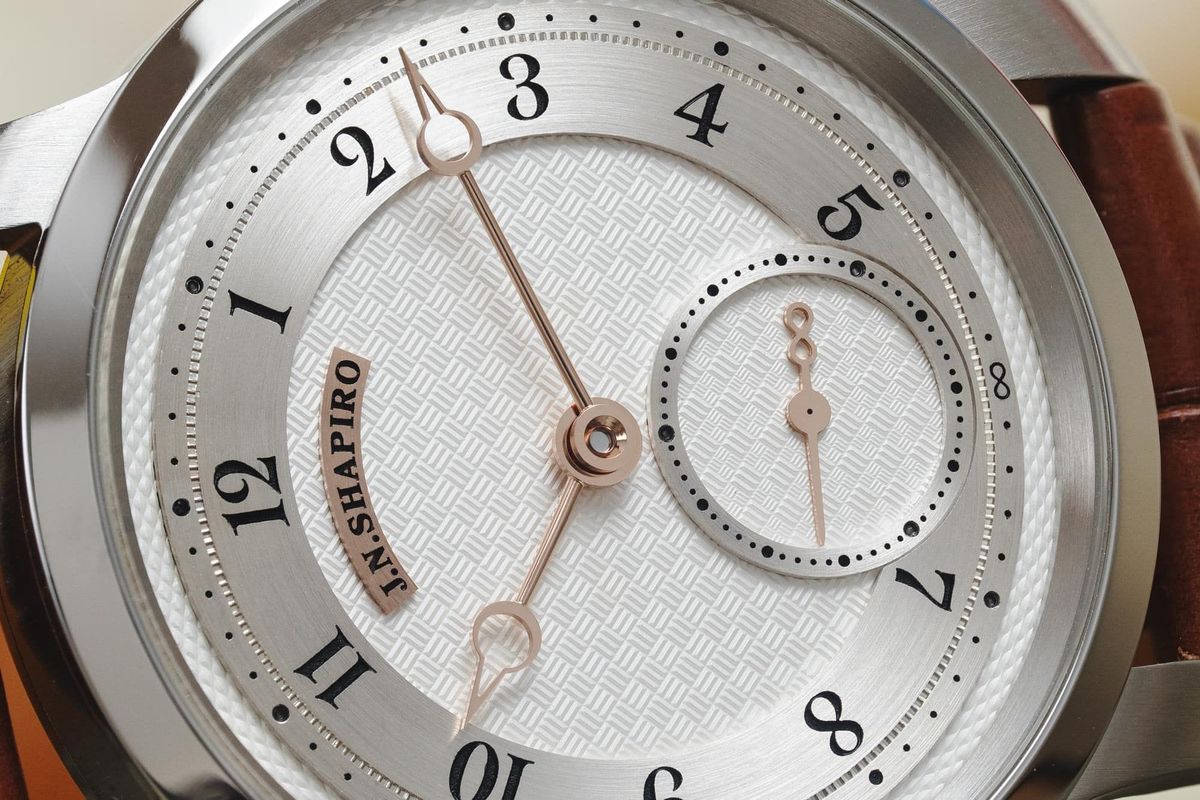
Our feature today, Four Brands Redefining American Watchmaking, isn’t really about four companies. It’s about four entirely different philosophies for building watches in America. Brew proves that community and design can matter as much as manufacturing. J.N. Shapiro continues pushing the limits of domestic artisanal watchmaking. Celeste reminds us that artistry itself can be the differentiator. Meanwhile SēL Instruments is tackling perhaps the hardest challenge of all—actually manufacturing components domestically at meaningful scale.
None of them are trying to become Rolex. None are pretending to recreate the American watch industry of 1926. Instead, they’re defining what American watchmaking might realistically become over the next generation. That’s a far healthier goal than chasing nostalgia.
Today’s remaining stories reinforce another trend emerging across luxury watchmaking: identity matters more than ever.
Louis Vuitton’s new ceramic Monterey isn’t simply another colored ceramic fashion watch. It represents a maison steadily building genuine horological credibility while remaining unmistakably Louis Vuitton. Likewise, Cartier’s annual competition isn’t merely rewarding technical excellence; it’s investing in the next generation of people who will define mechanical watchmaking decades from now. Luxury brands increasingly understand that protecting the future requires nurturing talent, not just launching products.
Collectors are changing too. Our stories on value-driven collecting, homage watches and July’s best microbrands all point toward a more informed marketplace. During the speculative years, buying often came first and learning later. Today that relationship has reversed. Buyers want context, history, originality and craftsmanship before reaching for their wallets. That’s a healthy evolution, and ultimately one that benefits serious brands while rewarding thoughtful collectors.
Perhaps that’s the biggest story hiding underneath today’s headlines. Watchmaking is becoming less about chasing status and more about expressing identity—whether you’re a manufacturer deciding what “Made in America” really means, a luxury house experimenting with new materials, or a collector deciding what deserves a place in your watch box.
The industry is entering an era where authenticity may become its most valuable complication.
Sometimes the most important stories aren’t about the biggest brands. They’re about the people quietly building the next chapter while everyone else is still reading the last one.
-Michael Wolf