Understanding Gear Tooth Profiles
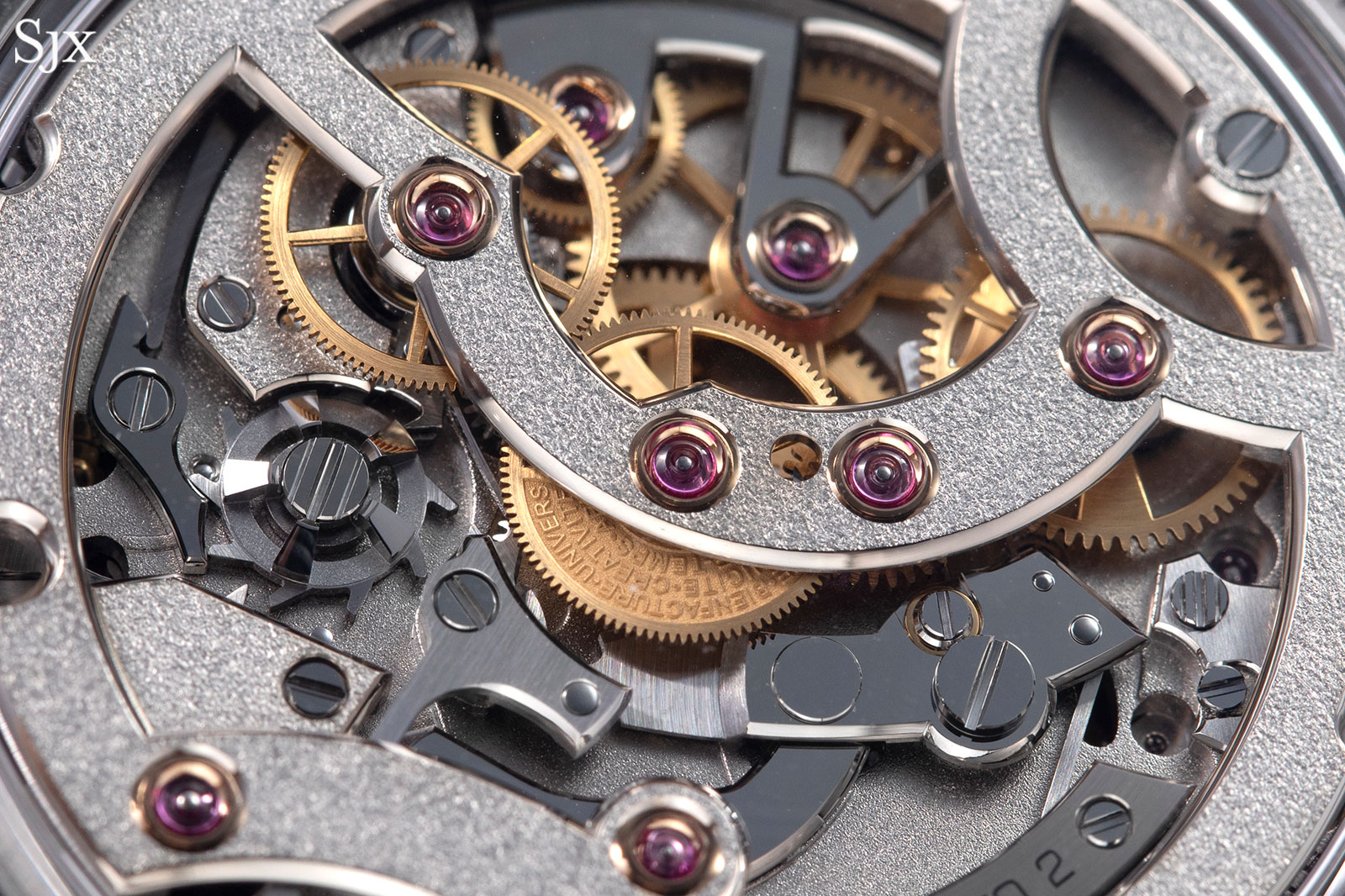
Gear tooth profiles in watchmaking have evolved from early cycloidal shapes, inspired by the thumb’s outline, to the widely adopted involute form formalized by Euler in the 18th century. Cycloidal gears, once dominant, offer smooth transmission with low contact pressure but demand extremely precise tolerances, making them difficult to produce in large quantities. Involute gears, by contrast, tolerate minor center‑distance variations and are easier to manufacture, though they generate higher contact pressure and can struggle with the very sharp ratios required in watch movements. Modern watchmakers have therefore refined both profiles, creating simplified cycloidal, ogival, and modified involute designs that balance ease of cutting with optimal performance for high‑ratio pinions and low‑friction operation. Recent technological advances, such as silicon etching, LIGA micro‑fabrication, and elastic “sprung” teeth, have further expanded the possibilities for gear geometry. These methods allow intricate tooth shapes that were previously impossible to cut, improving efficiency and reducing backlash in critical complications like chronographs. Contemporary movements now achieve transmission efficiencies above 97 %, cutting torque loss dramatically compared with older designs. The ongoing interplay between theoretical tooth profiles and cutting technologies continues to drive innovation in watch gear design, ensuring ever‑greater precision and reliability in modern horology.
Buying Time Analysis: The article highlights how gear tooth profile innovations are crucial for improving efficiency, reliability, and performance in modern watchmaking.