Understanding Keyless Works in Watchmaking
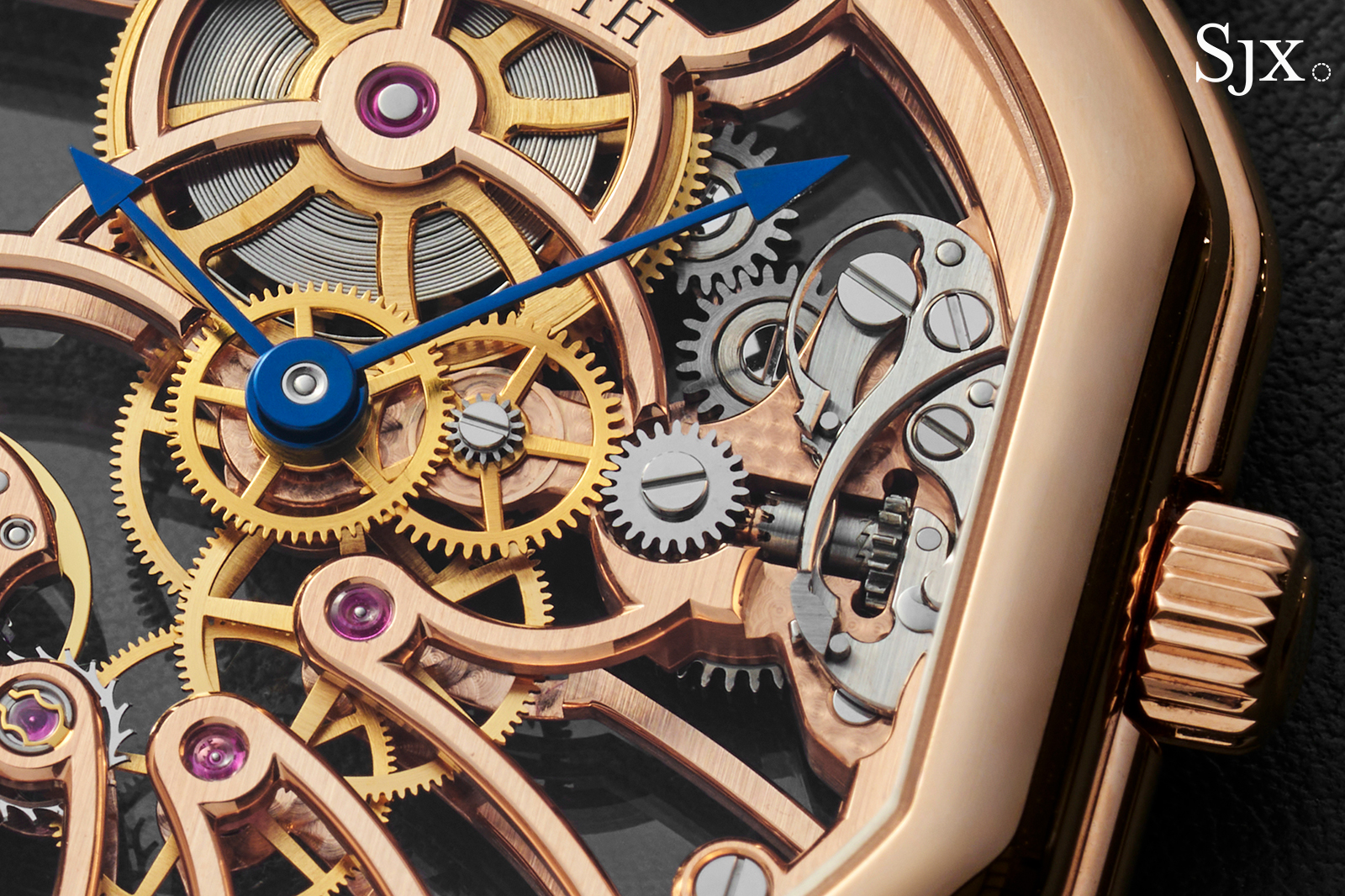
The keyless works revolutionized watchmaking by allowing the crown to perform both winding and time‑setting functions, a breakthrough first realized by Jean Adrien Philippe in the mid‑19th century. Early attempts by Thomas Prest, Charles Victor Adolphe Nicole, and Breguet laid the groundwork, but Philippe’s two‑position crown combined simplicity, durability, and convenience, quickly becoming the industry standard. His patents and detailed explanations cemented the mechanism’s role, and subsequent innovations by Léon Le Coultre and other manufacturers refined the design while preserving its core principles. Modern adaptations retain the sliding pinion and lever system, integrating additional features such as quick‑set dates, third‑position crowns, and even bezel‑driven commands in complex movements like the Rolex Sky‑Dweller. Despite advances, the keyless works remain a critical point of wear, requiring regular maintenance to ensure reliable performance. Its enduring presence underscores the lasting impact of Philippe’s invention on both traditional and contemporary horology.
Buying Time Analysis: This story highlights the pivotal role of the keyless works in watchmaking, showing how Jean Adrien Philippe’s dual‑purpose crown revolutionized winding and setting, a breakthrough that remains fundamental to modern mechanical watches.