Understanding the Distinction Between Openworked and Skeletonized Watches
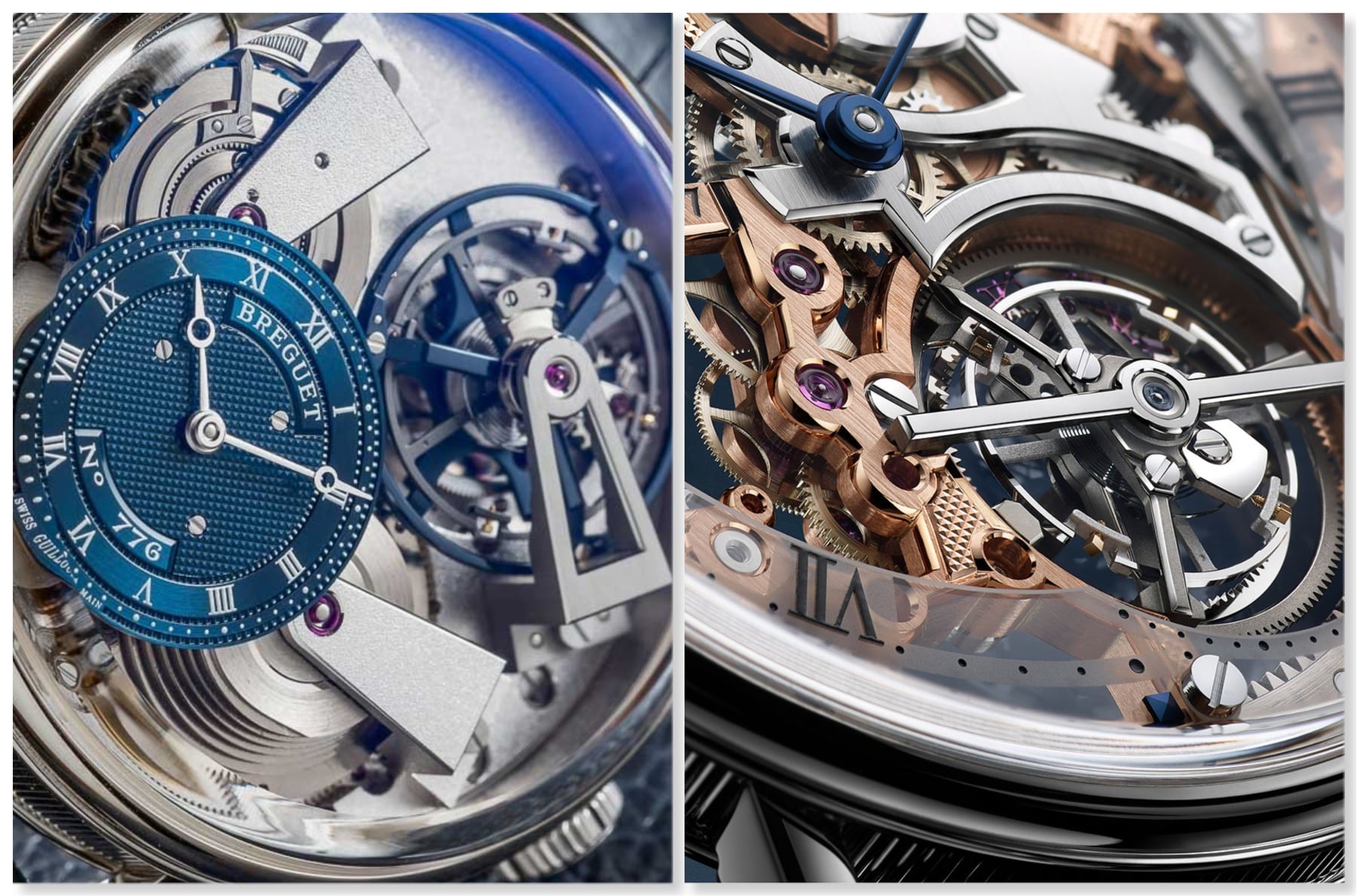
The distinction between openworked and skeletonized watches lies primarily in their design and function. Openworked watches typically feature a cut-away dial that reveals the movement beneath, while skeletonized watches have plates and bridges cut away to expose the inner workings entirely. Audemars Piguet has popularized the term "openworked" for their skeletonized movements, creating confusion among enthusiasts. Historically, AP began exploring skeletonization in the 1930s, and the meticulous process of crafting these movements remains labor-intensive. Modern advancements in technology have evolved the approach to skeletonizing, allowing for more intricate designs and cleaner finishes. Skeletonized watches are not necessarily about functionality; instead, they serve as a showcase of the intricate mechanics of horology. They reveal the delicate interactions of gears and springs, providing insight into the craftsmanship of watchmaking. While all skeletonized watches can be classified as openworked, the reverse is not true, as openworked designs may not fully expose the movement. The purpose of these timepieces goes beyond mere readability, capturing the essence of watchmaking artistry and offering a glimpse into the complex world of mechanical timepieces.
Buying Time Analysis: This story is important as it clarifies the often-confused terminology between openworked and skeletonized watches, enhancing consumer knowledge and appreciation for the intricate craftsmanship involved in modern watchmaking, particularly highlighting brands like Audemars Piguet and their pioneering designs.