Understanding Watch Certifications and Quality Seals: A Comprehensive Guide

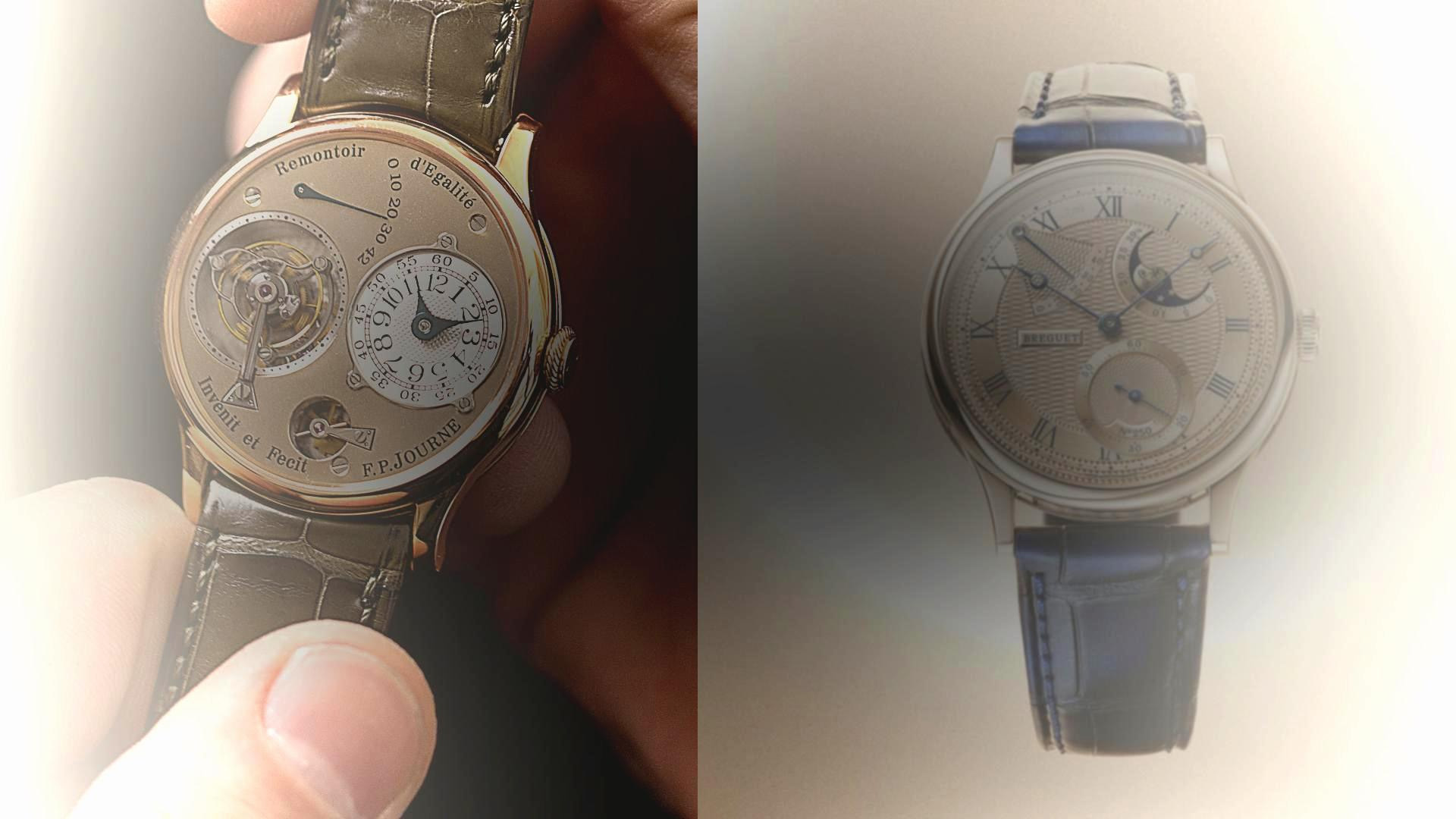
Certifications and quality seals play a crucial role in the watchmaking industry by safeguarding reputations and ensuring precision. Various certifications exist, such as the chronometer standard, which guarantees the precision of watch movements through rigorous testing by organizations like the Contrôle Officiel Suisse des Chronomètres (COSC). Additionally, Omega's Master Chronometer certification raises these standards even further by testing for resistance to magnetism and other factors. Regional quality seals, such as the Geneva Seal and Fleurier Quality Foundation, emphasize local craftsmanship and require strict adherence to aesthetic and technical criteria. Not all watch brands pursue these certifications due to the associated costs and time, opting instead to develop their own quality seals that reflect their legacy and testing protocols. Brands like Jaeger-LeCoultre and Montblanc have established rigorous internal testing programs to maintain high standards without external interference. While certifications can enhance a brand's prestige and marketability, many brands ensure their watches meet stringent quality requirements regardless of formal certification, emphasizing that excellence in watchmaking is not solely defined by these seals.
Buying Time Analysis: This story is crucial as it educates readers on the significance of watch certifications and quality seals, highlighting their role in ensuring precision and excellence in high-end timepieces, ultimately guiding consumers in making informed purchasing decisions.