Understanding Watch Crowns: The Essential Component for Timekeeping and Functionality
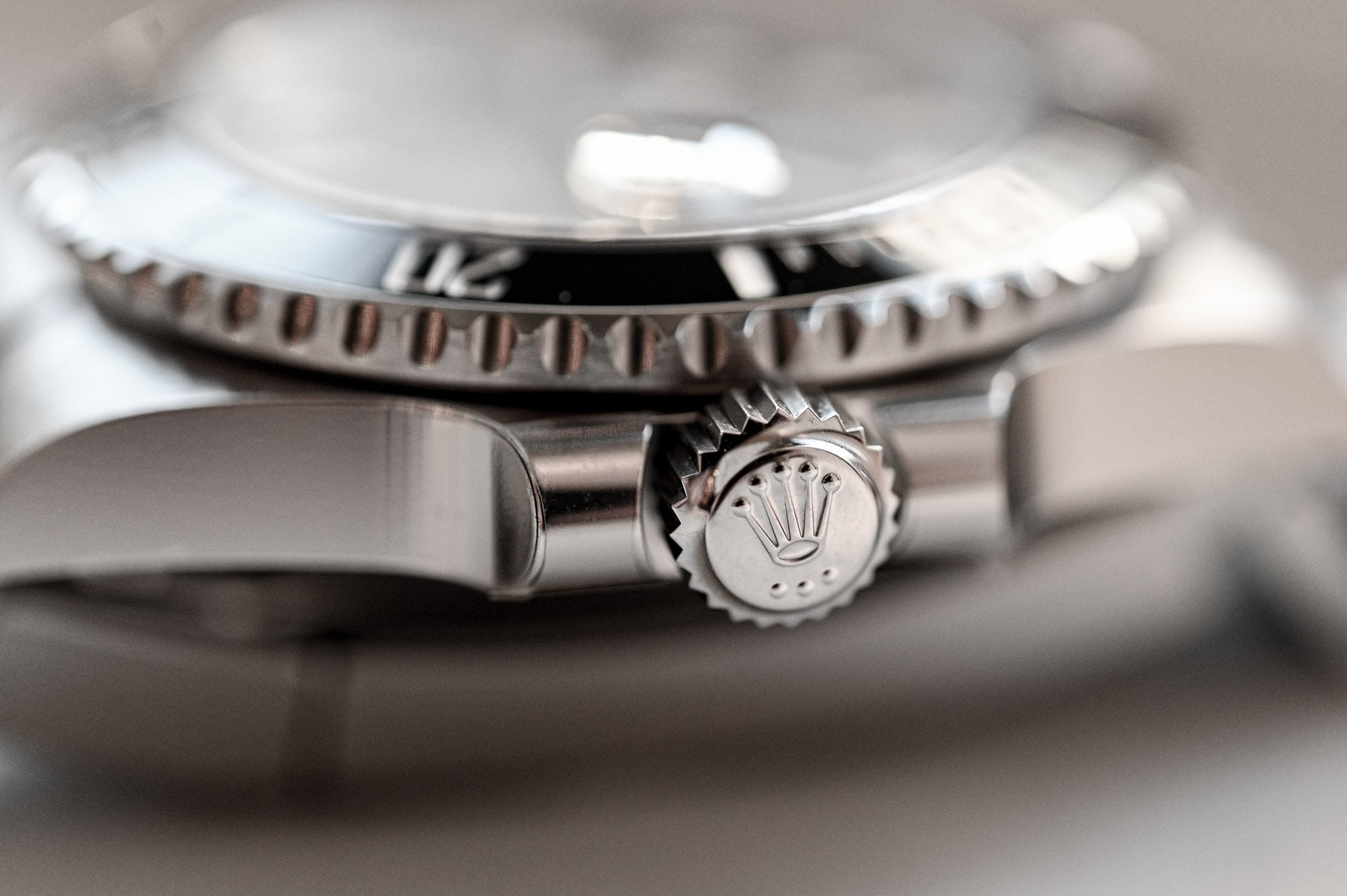
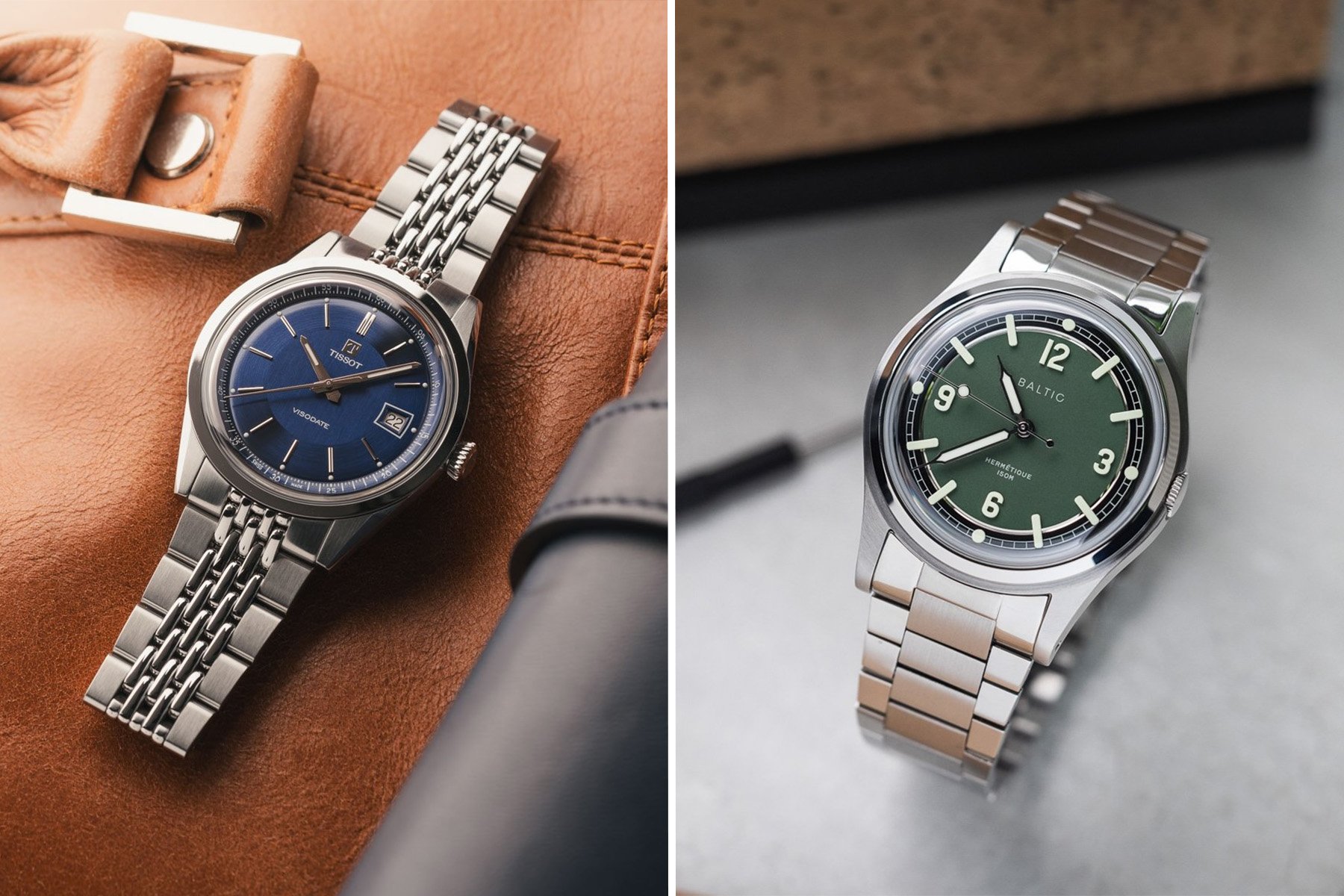
The crown of a watch serves as the command center for winding the mainspring, setting the time, and controlling various complications, enhancing the functionality of modern timepieces. Historically, the evolution from separate winding keys to the integrated stem and crown system, patented by Jean Adrien Philippe in the 19th century, revolutionized the user experience, allowing for a more seamless interaction with watches. This innovation laid the groundwork for the variety of crown types and mechanisms available today, including screw-down crowns for enhanced water resistance and multiple crown setups for specific functionalities. In contemporary watch design, crowns come in various shapes and sizes to suit different needs, such as oversized crowns for pilot watches and cabochon crowns often seen in luxury timepieces. Protective features like crown guards and recessed crowns enhance durability and water resistance, ensuring that the watch remains functional even in challenging conditions. The crown is crucial for operating the watch, underscoring its importance as a key external feature in horology, which has reached a level of refinement that combines both functionality and aesthetic appeal.
Buying Time Analysis: This story highlights the crucial role of watch crowns in modern timepieces, illustrating their evolution from cumbersome keys to sophisticated systems that enhance functionality and user experience, thereby reinforcing the significance of design and innovation in horology.