Understanding Why We Began Measuring Seconds
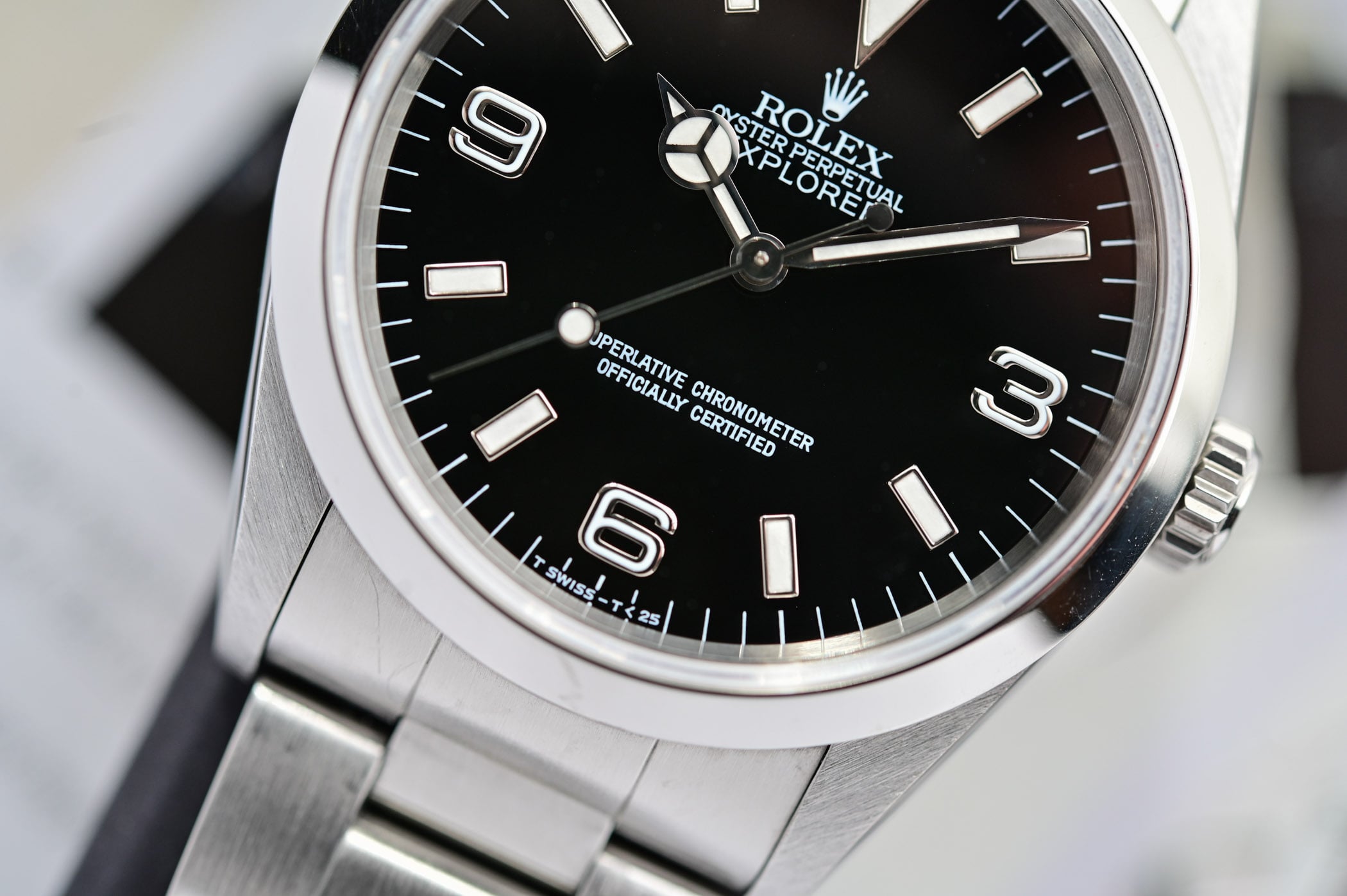
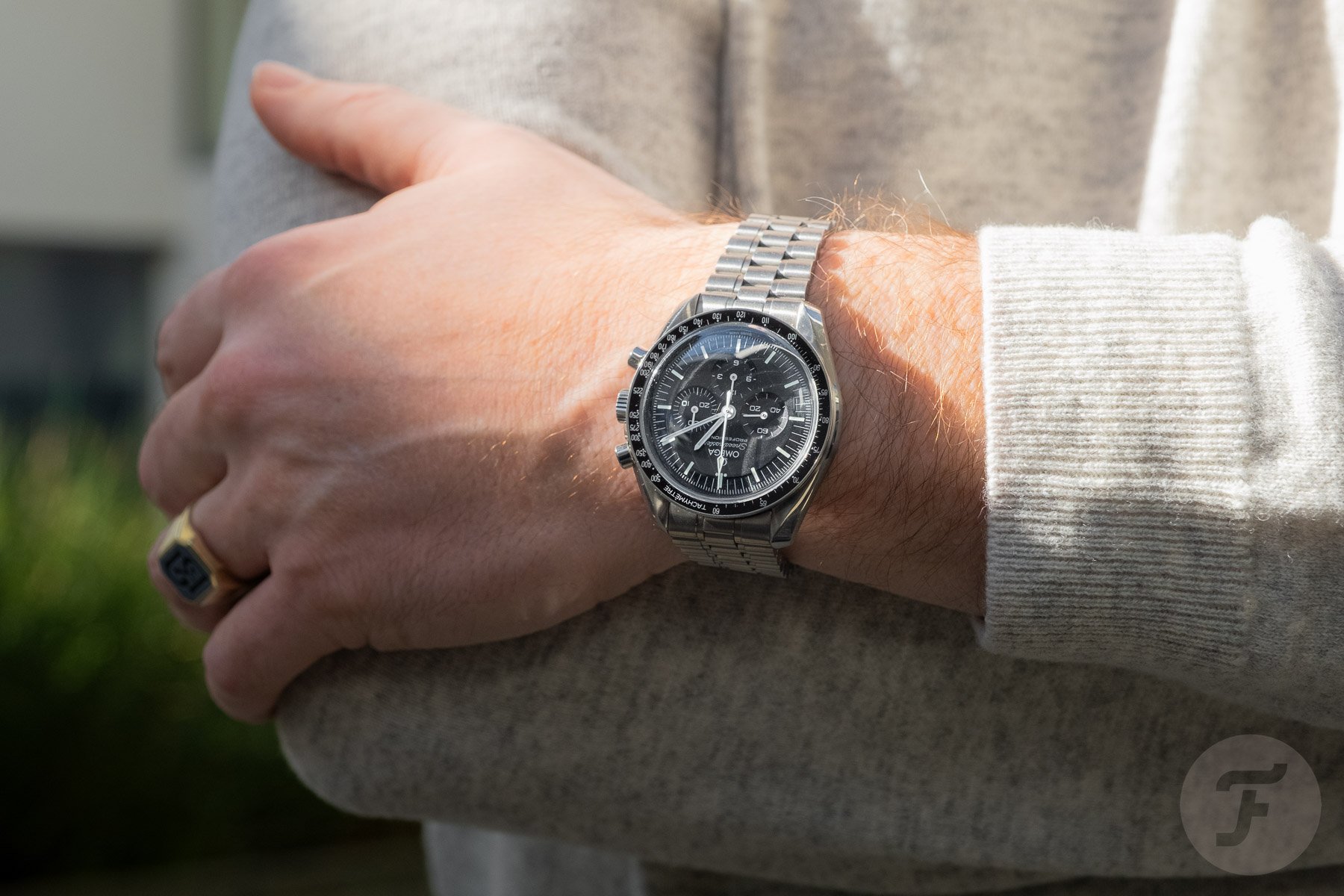
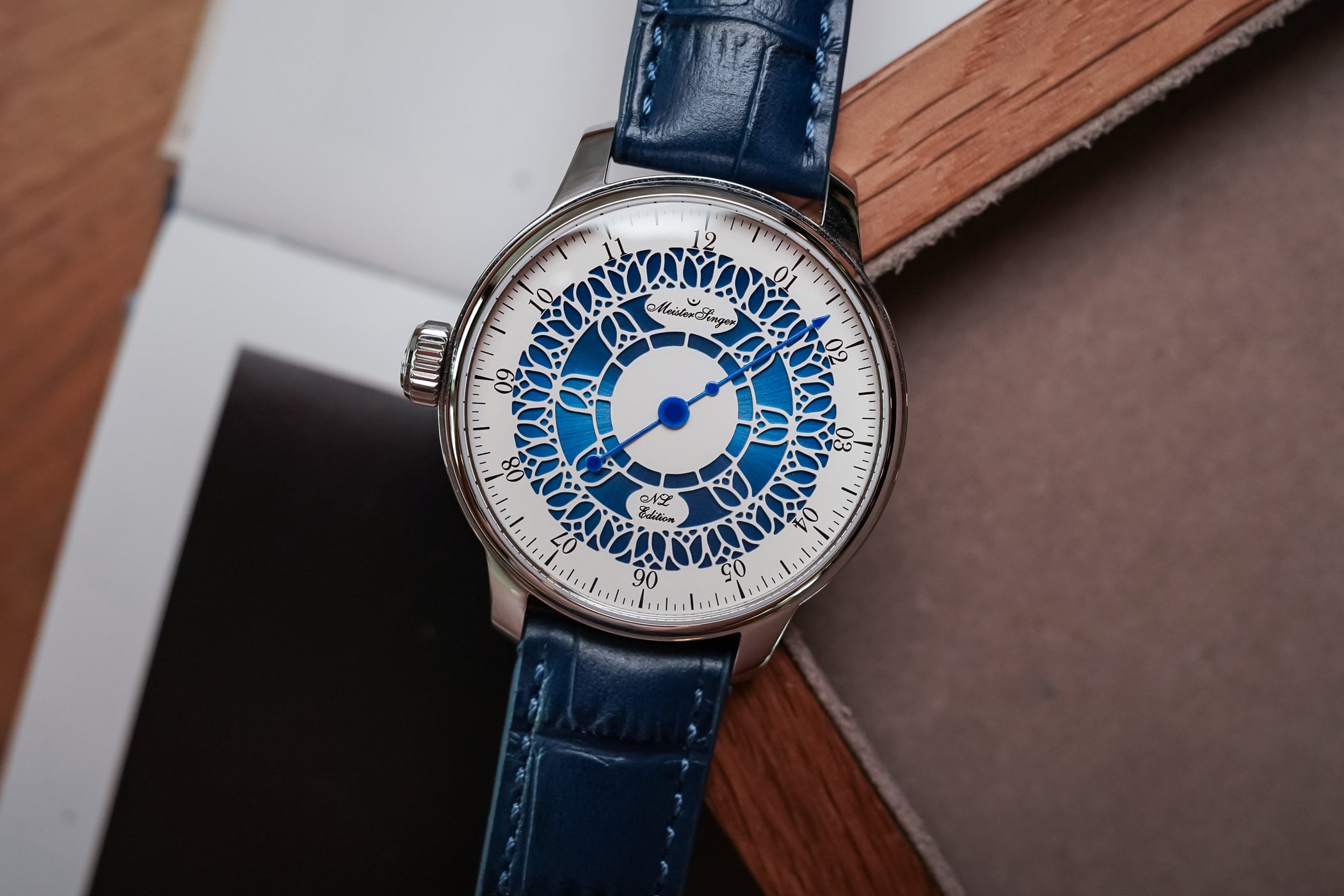
The development of the seconds hand began long after hour and minute hands became standard, with early experiments in the 16th and 17th centuries leading to practical implementations only after the pendulum and balance spring inventions dramatically improved clock and watch accuracy. By the late 18th century, minute hands were common, while seconds hands remained a rarity, often placed in sub‑dials due to mechanical constraints. Central seconds became feasible in the mid‑20th century, notably after Omega’s 1939 calibre 30T2 SC introduced a directly driven gear system that allowed a stable, sweeping seconds hand at the dial’s centre, paving the way for modern watches where central seconds are now the norm. Seconds proved essential beyond basic time‑telling, serving scientific, navigational, and sporting purposes. Chronographs emerged as stopwatches with dedicated seconds hands, evolving from early ink‑based mechanisms in the 19th century to sophisticated automatic movements by the late 1960s, incorporating features like tachymeter and telemeter scales for calculating speed and distance. Additional complications such as hacking seconds, pulsometers, and high‑beat movements further refined precision, while contemporary digital and atomic clocks now measure time to fractions far smaller than a second, underscoring the critical role of seconds in today’s global infrastructure, finance, and communications.
Buying Time Analysis: This story highlights how the evolution of measuring seconds transformed timekeeping, enabling scientific precision, technological advances, and the modern infrastructure that relies on exact timing.