Watch Lugs Explained: From Early Wire Lugs to Modern Designs
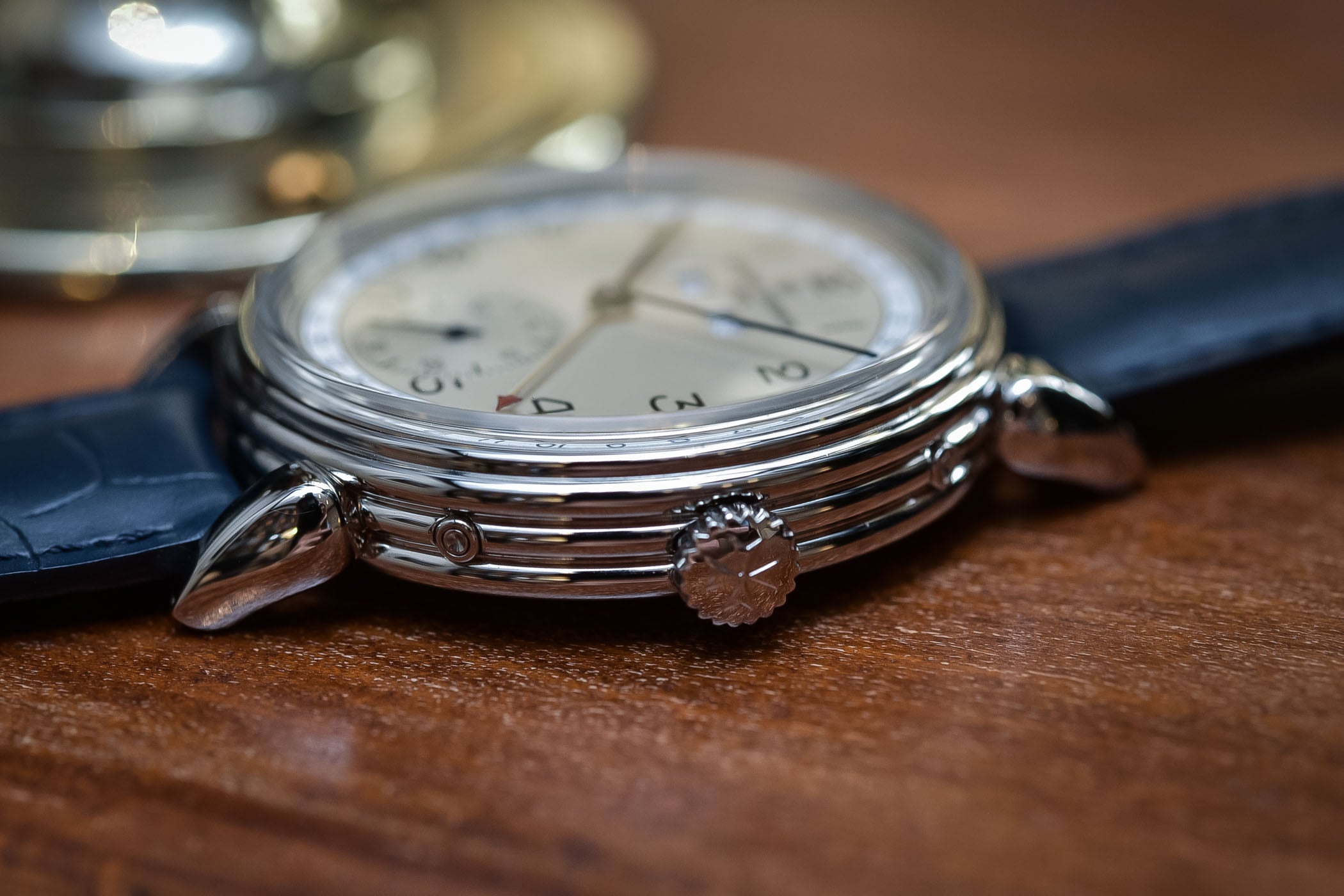
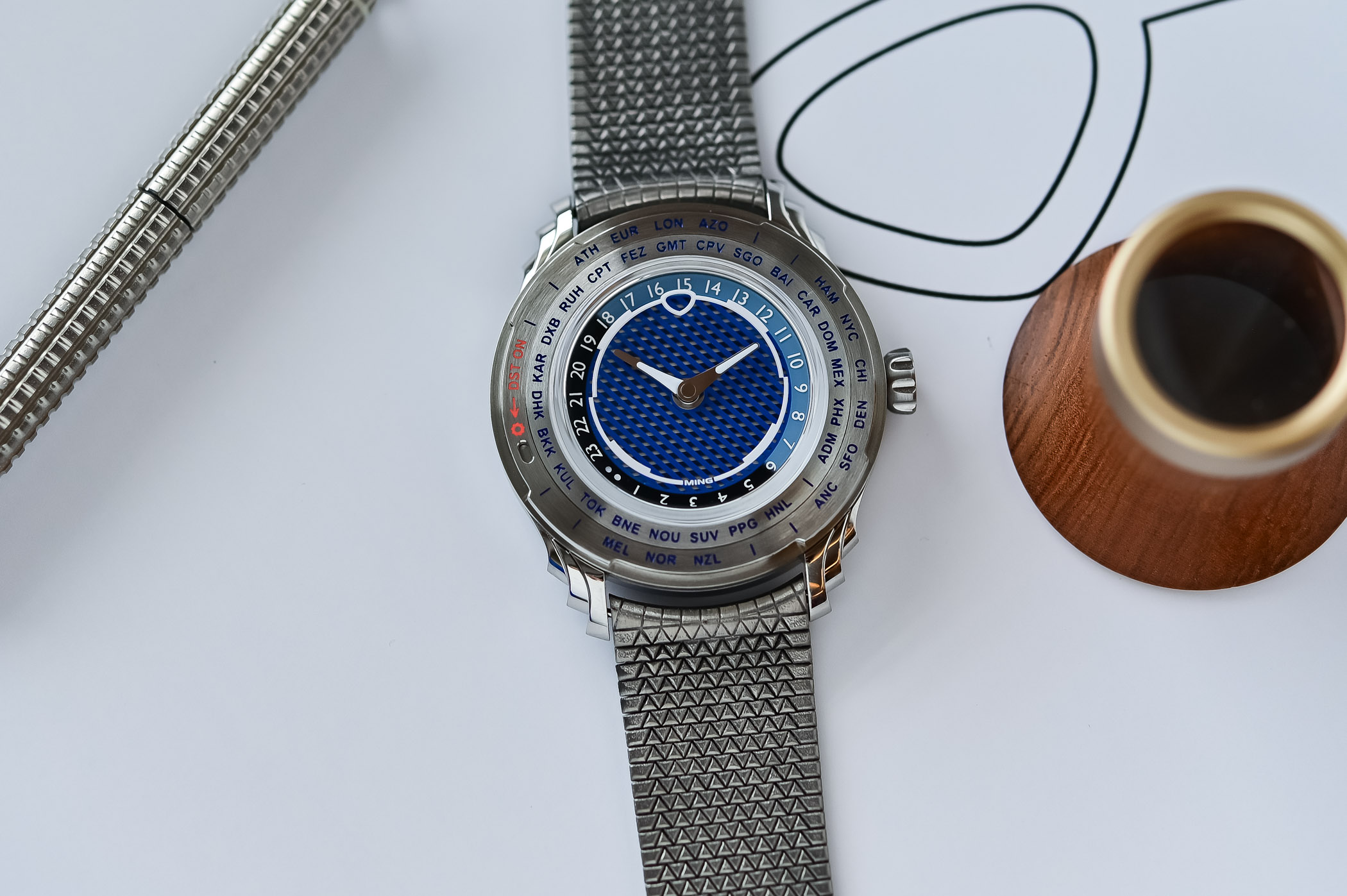
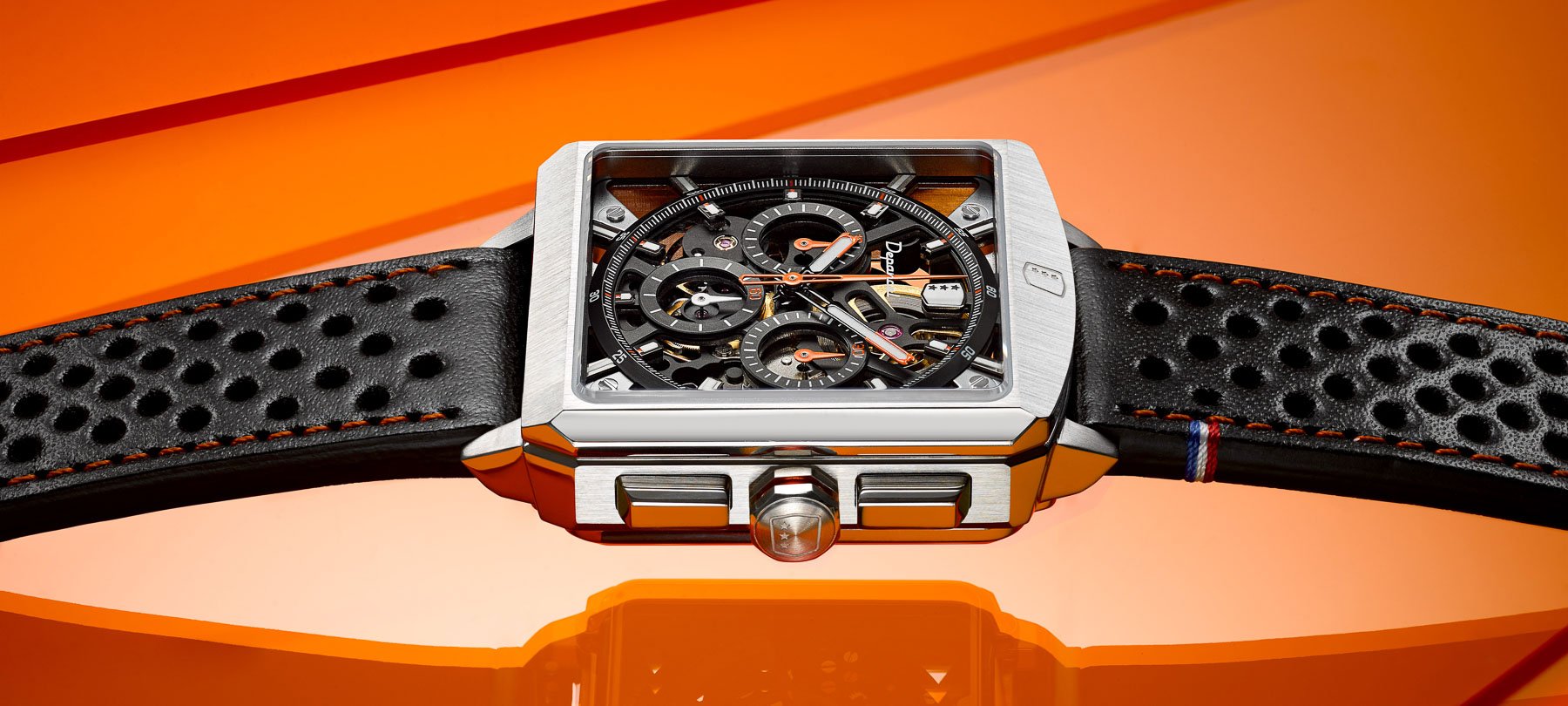
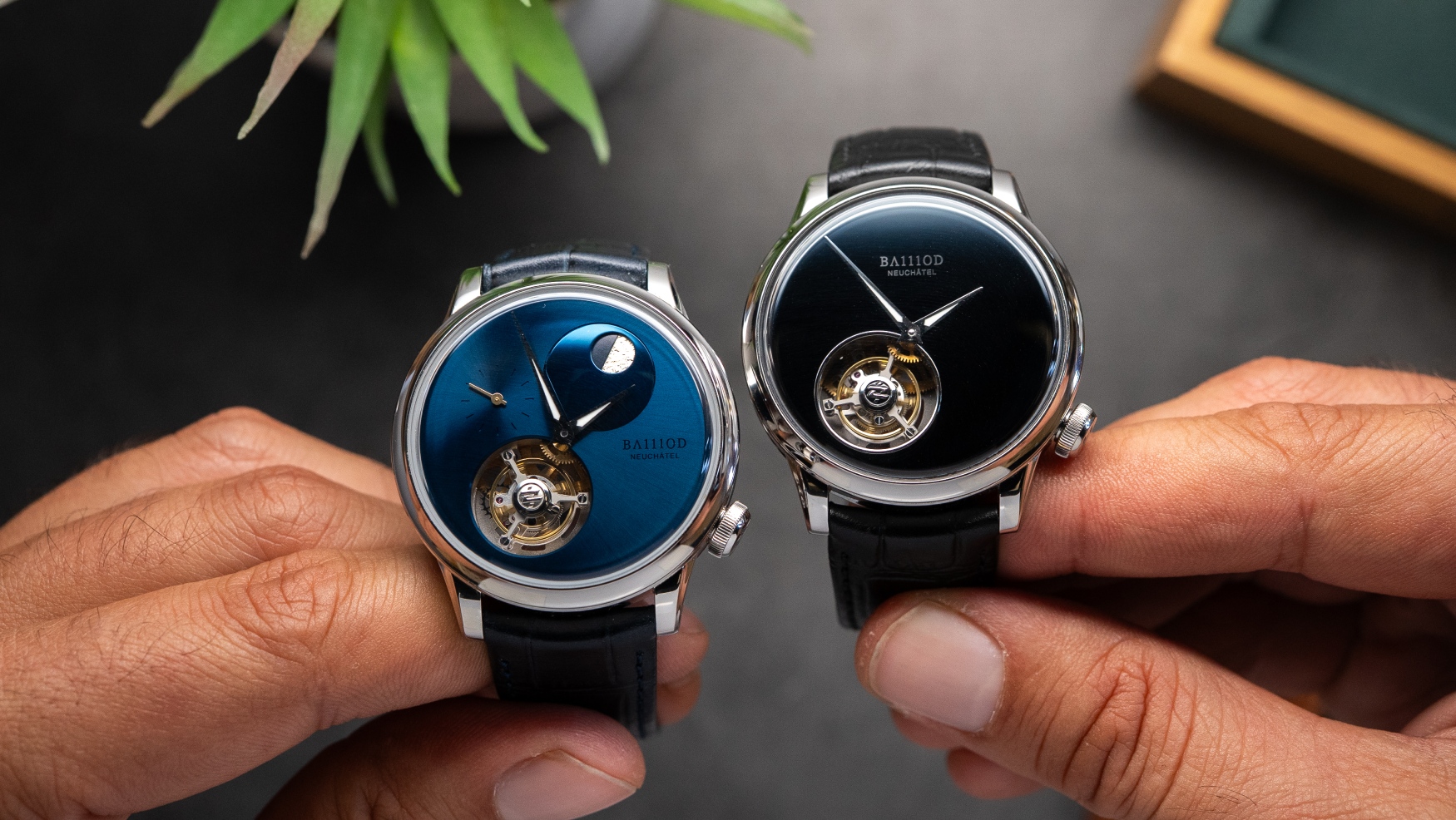
Watch lugs have evolved from simple wire loops welded onto pocket‑watch cases to sophisticated components that define a watch’s aesthetic and functionality. Early wristwatches borrowed lugs from pocket watches, initially using crude welded or soldered wire lugs that shifted the crown to a more accessible position. The demands of World War I accelerated the transition to dedicated wristlets, leading to the widespread adoption of proper lugs and the shift from pocket to wrist‑worn timepieces. Over the decades, lugs diversified into various styles—straight, twisted, lyre, teardrop, claw, and articulated—each reflecting the design trends of its era, from Art Deco influences to modern futuristic concepts. Modern lugs are engineered for both form and function, incorporating spring bars, quick‑release mechanisms, and integrated designs that blend seamlessly with the case. Integrated and separate lugs offer different structural advantages, while lug width and lug‑to‑lug length impact wearability and bracelet compatibility. High‑end brands continue to experiment with unique lug shapes such as stepped, hidden, shrouded, and articulating styles, underscoring the lug’s role as a key element in watch design and wearer experience.
Buying Time Analysis: This article highlights the pivotal role of watch lugs in the evolution of wristwatch design, illustrating how changes from simple wire lugs to sophisticated articulating forms have shaped both functionality and aesthetic trends in horology.