When Are Watches Considered Art?
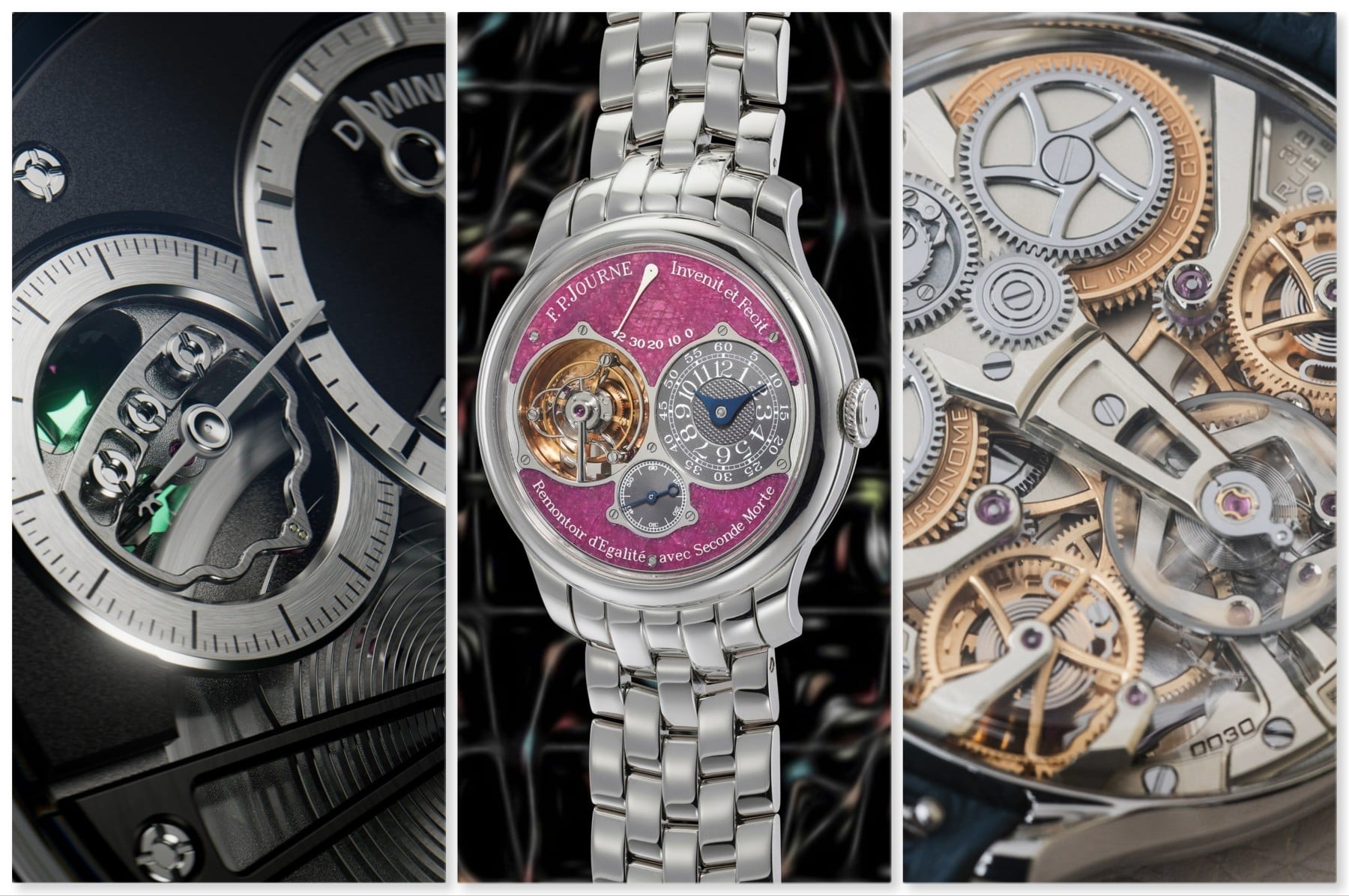
Watches have evolved from purely functional timepieces into objects that rival fine art in auction rooms, driven by factors such as scarcity, investment potential, and the personal vision of their makers. High‑profile sales, like the $13.92 million F.P. Journe Chronomètre à Résonance and the $17.75 million Paul Newman Rolex, illustrate how exceptional watches can achieve prices comparable to celebrated paintings, yet price alone does not confer artistic status. The discussion highlights that true art requires personal expression, intentionality, and a unique creative signature, qualities that are often present in limited‑edition or handcrafted watches from makers such as François‑Paul Journe, Rexhep Rexhepi, Dominique Renaud, Bernhard Lederer, and Kari Voutilainen. When a watch reflects the maker’s individual quest, embodies originality, and invites contemplation beyond its practical function, it transcends mere design and enters the realm of art. Examples like the Haldimann H9 – Reduction, which hides its time display behind an opaque crystal to provoke thought, demonstrate how mechanical ingenuity combined with conceptual intent can produce objects that function as both precise instruments and thought‑provoking artworks. Ultimately, a watch becomes art when it is a personal creation that expresses the watchmaker’s vision, rather than a commercially driven product.
Buying Time Analysis: This story is important because it explores how high‑end watches have transcended mere functionality to become collectible art, highlighting the cultural, economic, and personal factors that elevate certain timepieces to artistic status.