Why Cartier Matters
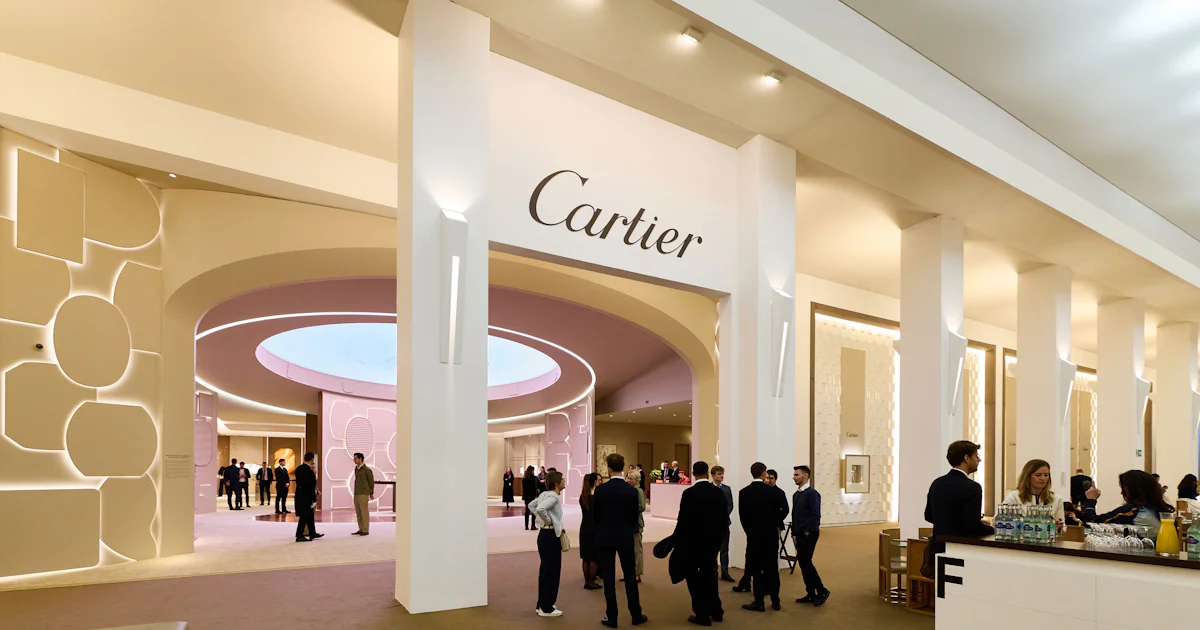
Cartier’s watch division has outperformed the broader Swiss‑watch market, becoming the second‑largest watch brand by sales and achieving an estimated $3 billion in 2025, up from under $2 billion in 2019. Strong performance stems from a blend of affordable pricing—average around CHF 6,000 per piece—and consistent demand, which has driven a 10 % growth in watch sales in 2025. Secondary‑market prices have risen 8.6 % in a year, while auction results highlighted a record $2 million sale for a rare 1987 Cartier London Crash, underscoring the brand’s appeal to collectors and younger buyers alike. Looking ahead, Cartier plans modest production growth of about 2 % to roughly 695,000 watches in 2025, focusing on updating proven models such as the Santos Dumont in precious metals and reviving the Roadster after a 14‑year hiatus. Executives emphasize a long‑term strategy that balances heritage with innovation, positioning iconic designs like the Santos and Tank as anchors while navigating external pressures such as rising gold prices, inflation, and geopolitical instability. This approach aims to maintain Cartier’s reputation for iconic, resilient timepieces that deliver lasting value to consumers.
Buying Time Analysis: This story is important because it highlights Cartier's remarkable market resilience and growth, showcasing how strategic brand heritage, product innovation, and responsive leadership have positioned it as a leading luxury watchmaker amid economic and geopolitical challenges.