Why Everything Is Inverted
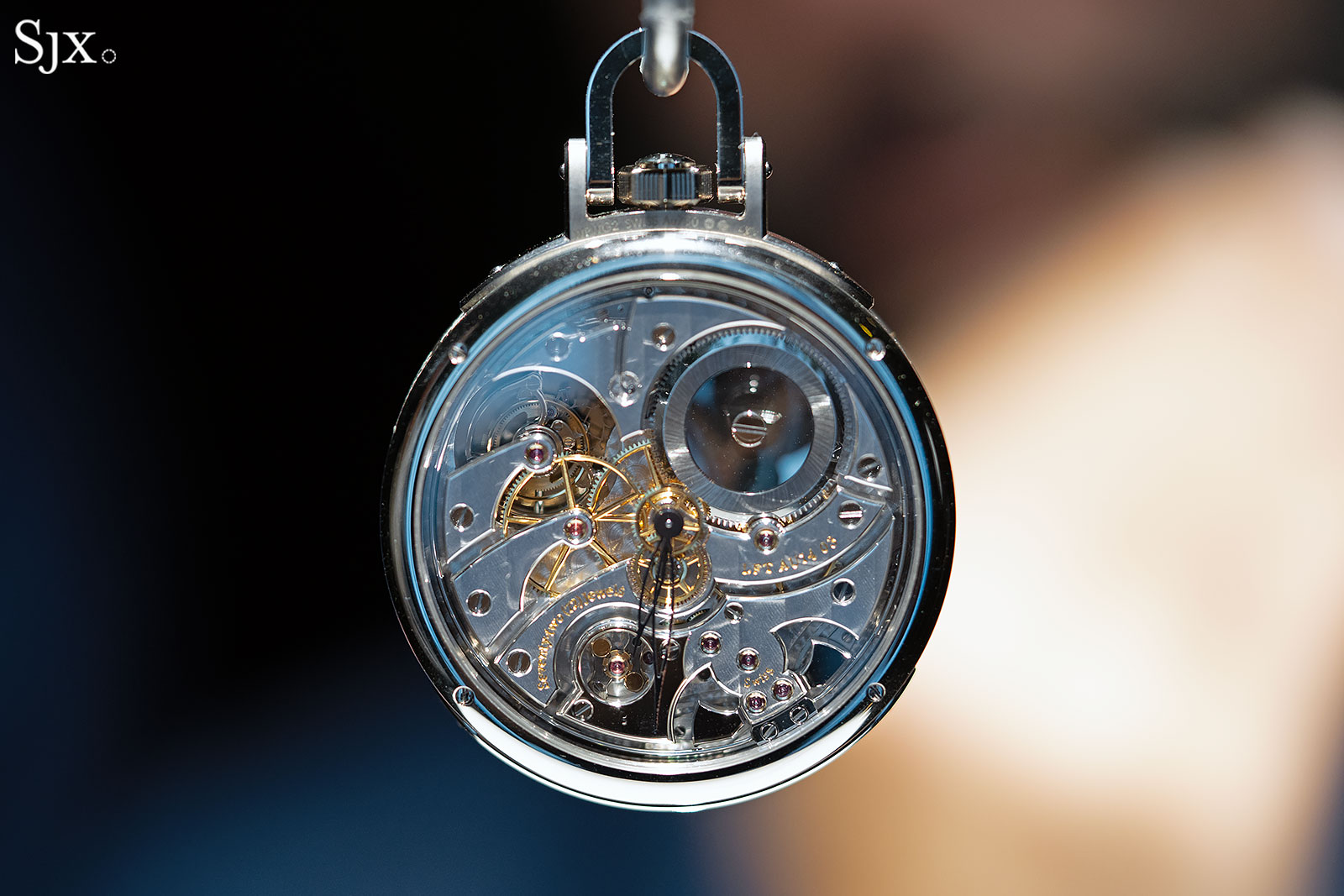
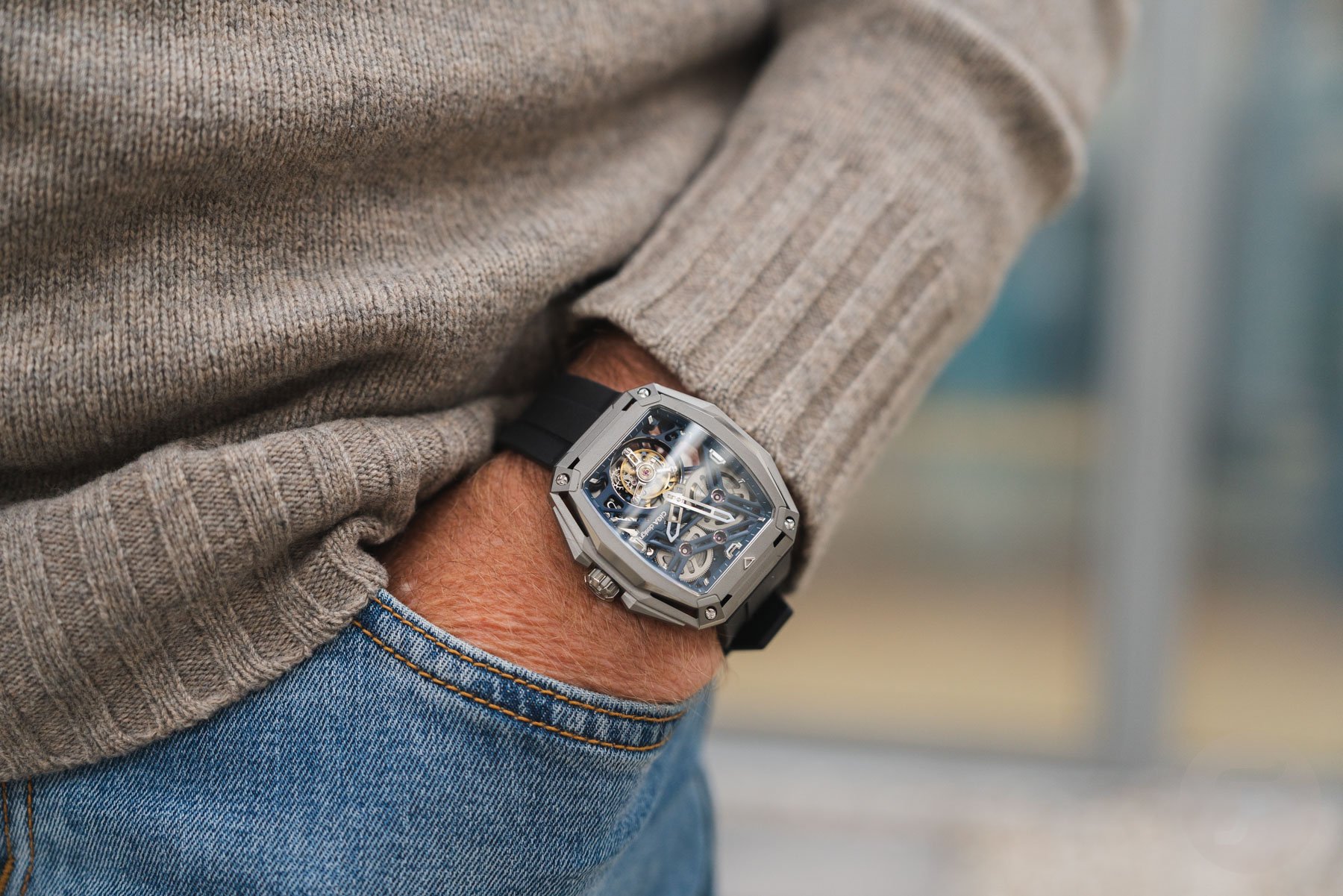
Inverted movements have become a prominent trend in modern watchmaking, offering a striking visual of the movement’s inner workings by exposing the barrel, gear train, and escapement on the wrist. This format, initially adapted from conventional calibers such as the Voutilainen 28TI, has evolved into purpose‑built designs that showcase mechanical artistry without the need for a traditional dial, appealing strongly to collectors who value craftsmanship and the ability to photograph intricate details on platforms like Instagram. The appeal of inverted calibers lies in their ability to highlight finishing and engineering while providing a cost‑effective development path for brands, allowing them to adapt existing platforms or create new ones with reduced risk and expense. However, the format can sacrifice the artistic expression of dial design, which remains essential for many watchmakers and enthusiasts. Despite this trade‑off, the trend continues to grow as brands leverage the aesthetic and marketing advantages of displaying the movement itself.
Buying Time Analysis: The article highlights the growing significance of inverted watch movements as a trend that showcases mechanical craftsmanship, drives market appeal on social media, and offers a cost‑effective way for brands to innovate, making it a pivotal development in contemporary horology.